
The Enchanting Roseate Spoonbill of Costa Rica: A Natural Wonder
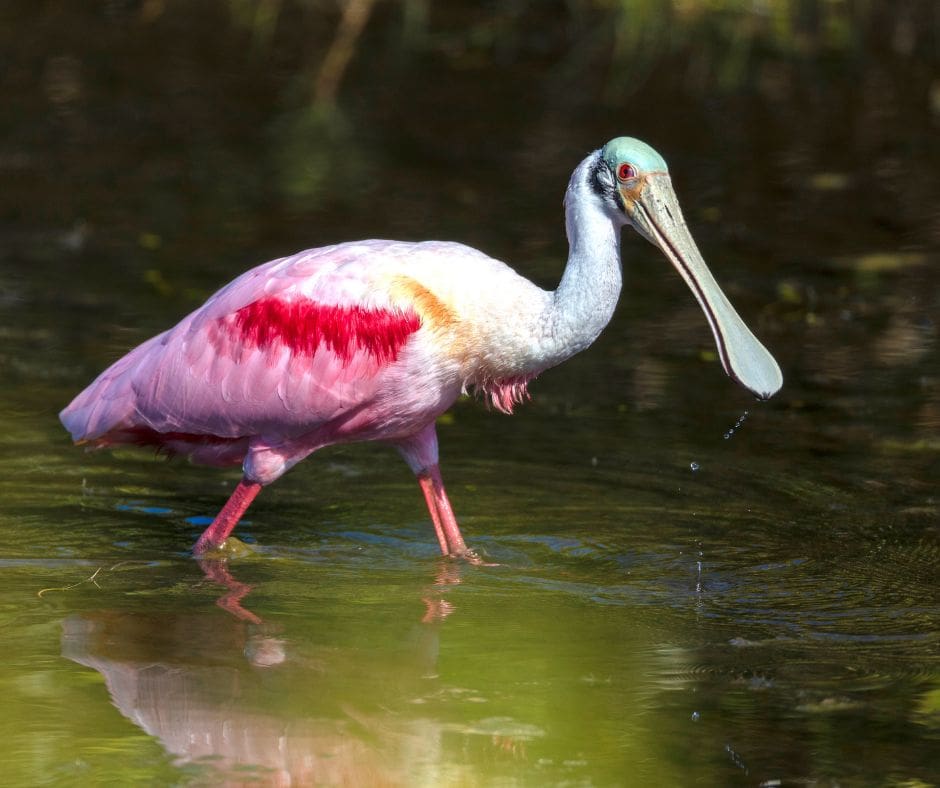
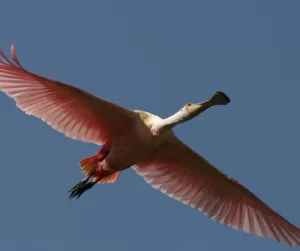
Costa Rica, a land of rich biodiversity, is home to one of the most visually striking birds: the Roseate Spoonbill. This flamboyant avian species, with its vivid pink plumage and unique spoon-shaped bill, has become a symbol of the natural wonders nestled within this Central American paradise.
A Splash of Color in Costa Rica’s Ecosystem
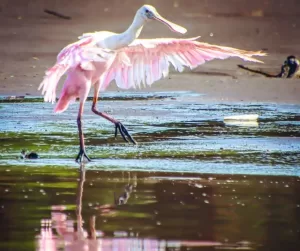
The Roseate Spoonbill (Platalea ajaja) is a large wading bird found primarily in the Americas. In Costa Rica, these birds are often sighted in the wetlands and mangroves, particularly in areas like the Tárcoles River, Caño Negro Wildlife Refuge, and the Gulf of Nicoya. Their presence in these ecosystems is not just a treat for birdwatchers and photographers but also plays a crucial role in the environmental health of these regions.
(REVIEW LAMINATED FIELD GUIDES HERE)
Diet: Nature’s Caretaker
The diet of the Roseate Spoonbill is as interesting as its appearance. These birds feed mainly on small fish, crustaceans, aquatic insects, and sometimes plant matter. They forage in shallow waters, swinging their bills from side to side to sift through mud, a method known as “tactile foraging.” This feeding technique helps maintain the ecological balance, as they control the population of their prey and contribute to the health of the aquatic ecosystems.
Environmental Contribution: Beyond Beauty
Beyond their stunning appearance, Roseate Spoonbills contribute significantly to the biodiversity and health of Costa Rican ecosystems. By foraging in the wetlands, they help keep the water bodies clean and aerated, supporting a diverse range of aquatic life. Furthermore, as a part of the food chain, they serve as indicators of environmental health, with their population and well-being reflecting the overall state of their habitat.
Conservation Efforts
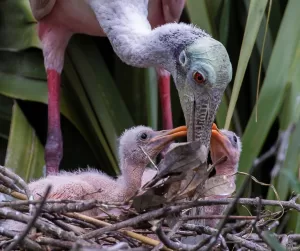
While not currently endangered, the Roseate Spoonbill faces threats from habitat loss and environmental degradation. Conservation efforts in Costa Rica are focused on preserving wetlands and mangroves, essential for the survival of these birds. Ecotourism, when conducted responsibly, also plays a part in their conservation by raising awareness and funds for habitat protection.
More related articles
JTNDaWZyYW1lJTIwd2lkdGglM0QlMjI1NjAlMjIlMjBoZWlnaHQlM0QlMjIzMTUlMjIlMjBzcmMlM0QlMjJodHRwcyUzQSUyRiUyRnd3dy55b3V0dWJlLmNvbSUyRmVtYmVkJTJGc0p2dlpFOXktWFElM0ZzaSUzRG03SjlSOVpsVDN5V0cyQ1UlMjIlMjB0aXRsZSUzRCUyMllvdVR1YmUlMjB2aWRlbyUyMHBsYXllciUyMiUyMGZyYW1lYm9yZGVyJTNEJTIyMCUyMiUyMGFsbG93JTNEJTIyYWNjZWxlcm9tZXRlciUzQiUyMGF1dG9wbGF5JTNCJTIwY2xpcGJvYXJkLXdyaXRlJTNCJTIwZW5jcnlwdGVkLW1lZGlhJTNCJTIwZ3lyb3Njb3BlJTNCJTIwcGljdHVyZS1pbi1waWN0dXJlJTNCJTIwd2ViLXNoYXJlJTIyJTIwYWxsb3dmdWxsc2NyZWVuJTNFJTNDJTJGaWZyYW1lJTNF