
For 30 years, Howler has carried the sounds, stories, personalities, businesses, beach towns, wildlife, surf culture, real estate movement, and pura vida spirit of Costa Rica. What began in Tamarindo in 1996 as the vision of founding publisher David Mills grew into one of the country’s most recognizable English-language voices, documenting everything from dusty roads and local meetings to national parks, community milestones, surf culture, dining, business, and the ever-changing rhythm of life in Costa Rica.
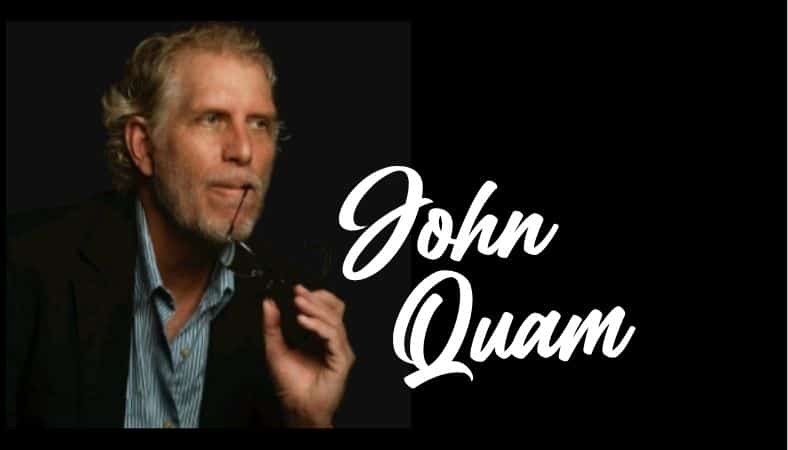
Today, John Quam, originally from Colorado, continues that legacy through Howler Real Escapes, a publication that has evolved from a beloved printed magazine into a global digital platform reaching readers who are curious about visiting, living, investing, retiring, exploring, and connecting with Costa Rica. As Howler approaches its 30-year milestone, John reflects on why he stepped in, what the magazine means to the community, how COVID changed everything, and where Howler is headed next.
1. Tell us about what led you to purchase Howler 10 years ago.
We moved to Costa Rica in March of 2014, and like many people who arrive here, we were swept up in the excitement of beach life. The ocean, the sun, the lifestyle, the freedom — it all felt fresh and full of possibility. But after about two years of beach and water fun, boredom started to set in. I needed something meaningful to do, something connected to the community.
That is when I was introduced to David Mills, the founder of Howler. At that time, David was considering closing the publication. I understood immediately how important a magazine or local periodical can be to a community. A publication is more than paper, pages, advertising, or articles. It becomes a voice. It connects residents, visitors, businesses, artists, restaurants, real estate professionals, tour operators, nonprofits, and families. It records what is happening. It celebrates local people. It helps newcomers understand where they are. It gives small businesses a place to be seen. It creates pride.
Howler had already become part of Costa Rica’s English-speaking community, especially in Guanacaste. I did not want to see that voice disappear. The magazine had history, character, and a loyal following. I saw an opportunity not only to continue it, but to help it grow.
2. What was the status and readership back then?
At the time, our readership was estimated at around 10,000 people. We printed 10,000 magazines every month, and it was always great to see people waiting for the new month’s edition. There was real anticipation. People would pick it up, flip through it, talk about the cover, check the articles, and look for familiar names and places.
Back then, the printed magazine was a physical part of the community. You saw it in restaurants, hotels, shops, tour offices, real estate offices, and waiting areas. It traveled from hand to hand.
When the pandemic forced us to go digital, everything changed. The shift was difficult at first, but it also opened a much larger door. Today, we reach more than 500,000 readers monthly, and that growth has shown us how much interest there is in Costa Rica from around the world.
3. What have been the biggest challenges?
A publication is a challenge every single month. There is always another deadline. There are always new topics to find, writers to coordinate, advertisers to support, images to gather, layouts to assemble, stories to edit, and decisions to make.
The challenge is not just producing content. It is producing content that matters. We want every edition to feel useful, interesting, beautiful, and connected to Costa Rica. That means balancing travel, real estate, wildlife, dining, business, arts, culture, surfing, events, and community stories.
Thankfully, we have great advertisers who understand the importance of having a publication like Howler. They know that Howler is not only a place to advertise, but also a platform that supports the larger community. Their support has helped us continue publishing month after month.
4. How did COVID impact the publication?
At the very beginning of the pandemic, I made a fast decision that we would go completely digital. Logistically, it became impossible to print. Distribution was uncertain, businesses were closed, tourism had stopped, and everything changed almost overnight.
But that decision became one of the most important turning points for Howler. Moving to a fully digital format allowed us to continue publishing without missing a publication date. We survived COVID, and we kept our promise to readers and advertisers.
The interactive flip magazine on the website was a great move. It gave readers the feeling of turning pages while allowing us to reach people anywhere in the world. The Howler anniversary archive also notes that the interactive e-magazine format became a major turning point after the final print issue in March/April 2020.
COVID was incredibly difficult, but it pushed us into the future faster than expected.
5. What are some keystone markers of the continual improvement of the magazine?
We improve the magazine every month. Sometimes the improvements are visible, such as design, layout, sections, covers, photography, and digital features. Other times they happen behind the scenes through better systems, stronger partnerships, wider distribution, and more reader engagement.
I see new readers all the time, and I answer many more questions than before. People are looking closely at Costa Rica. They want to know what it is really like to visit, move here, invest here, retire here, explore here, and become part of the community.
One important change was renaming and positioning the publication as Howler Real Escapes. That name captures what people are truly searching for when they begin researching Costa Rica. They are not only looking for a vacation. They are looking for real experiences, real information, real communities, real opportunities, and sometimes a completely new life.
Howler has always evolved. Over the years, it expanded its sections, added digital magazine features, and adapted to what readers wanted next.
6. What is your goal for Howler?
My goal is to make Howler and our new endeavors a must-have resource for anyone interested in Costa Rica. I want Howler to be the place people trust when they are researching where to go, what to do, where to live, who to meet, where to eat, what to experience, and how to understand the culture.
I also want Howler to continue serving the people already here. Costa Rica is full of stories worth telling: entrepreneurs, artists, chefs, conservationists, surfers, farmers, musicians, guides, real estate professionals, volunteers, and local leaders. Howler gives those stories a home.
I am continually working with my wonderful partners Terry Carlile and Marynes Fernandez to improve what we do. Their energy, ideas, and commitment are a big part of where Howler is going.
7. What are you planning for future endeavors?
We are expanding. We want to bring in more regions of Costa Rica and share more useful information from across the country. There are so many communities, events, businesses, artists, cultural experiences, and local stories that deserve attention.
We are also working to highlight ACE — Arts, Culture, and Entertainment — along with the broader Howler brand. Terry is wonderful at getting out, meeting people, interacting with communities, and helping us connect with what is happening on the ground.
The future of Howler is about connection. We want to connect readers to Costa Rica, businesses to audiences, communities to visitors, and stories to people who care. After 30 years, Howler is not slowing down. We are growing louder, wider, and stronger.
Visit: howlermag.com
John Quam
Howler Magazine
howlermag.com
Former Navy Journalist, published author and international speaker. Howler executive since 2019.