
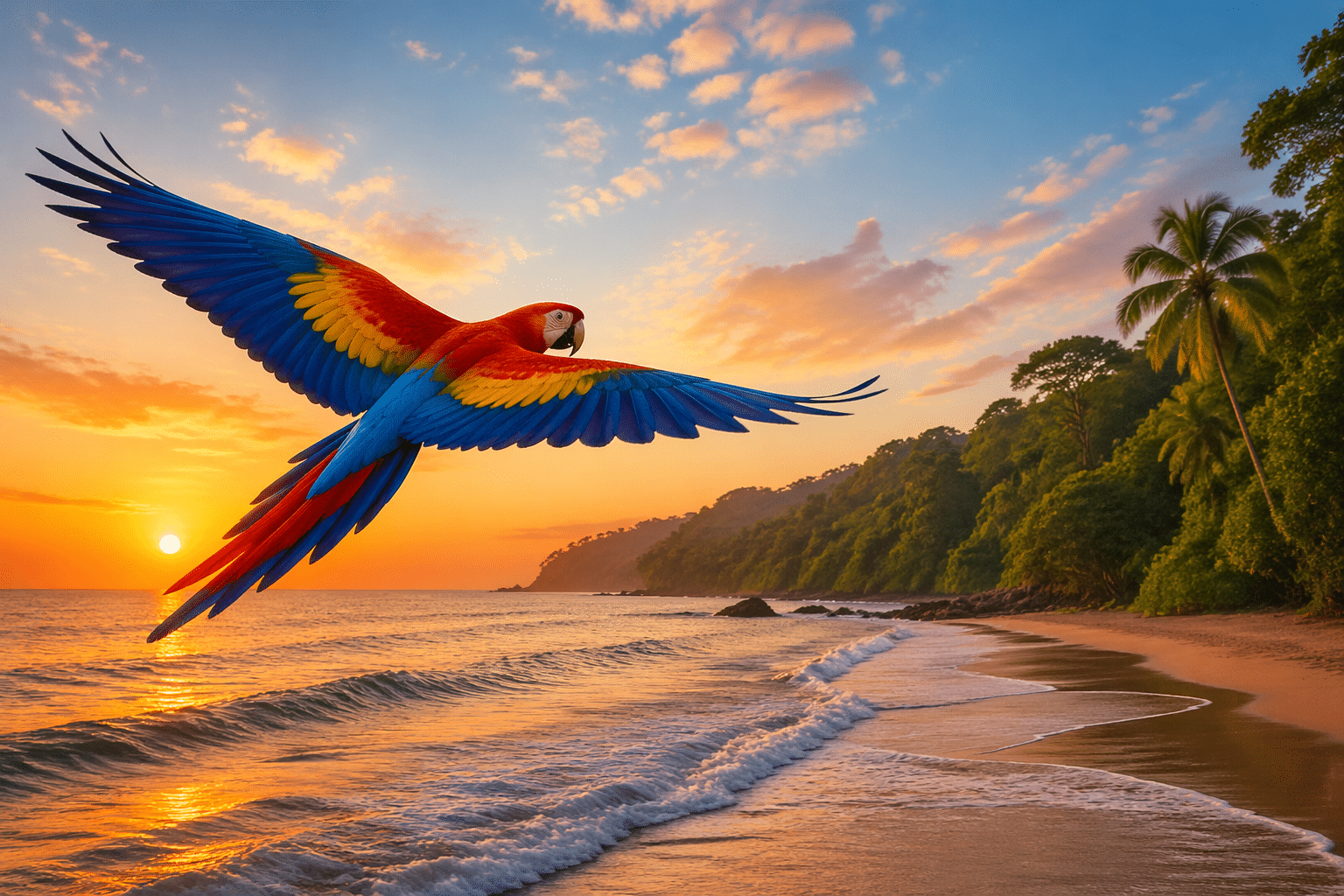
A scarlet macaw crossing a Pacific beach at sunrise is more than a beautiful Costa Rica moment. It is evidence of a system still holding together – forest, food sources, nesting space, migration routes, and human choices all working in fragile balance. So when people ask, how does conservation affect biodiversity, the real answer is this: conservation decides whether that balance survives, recovers, or slips away.
Biodiversity is not just a count of species on a checklist. It includes genetic variety within species, the range of habitats across a landscape, and the ecological relationships that keep forests, rivers, reefs, and wetlands functioning. Conservation affects biodiversity by protecting those relationships before they collapse, and by rebuilding them when they have already been damaged.
How does conservation affect biodiversity in real terms?
At its best, conservation increases biodiversity by reducing the pressures that push species toward decline. That can mean preserving intact habitat, restoring degraded land, regulating hunting and fishing, controlling invasive species, or limiting pollution. Sometimes it is as visible as reforested hillsides. Sometimes it is less dramatic, like changing how a watershed is managed so amphibians, insects, and birds can persist.
The strongest effect usually comes from habitat protection. Most species do not disappear because of one single event. They disappear because the places they need become smaller, more fragmented, and less capable of supporting life. When conservation keeps forests connected, protects mangroves, or prevents wetlands from being drained, it gives species room to feed, breed, adapt, and move.
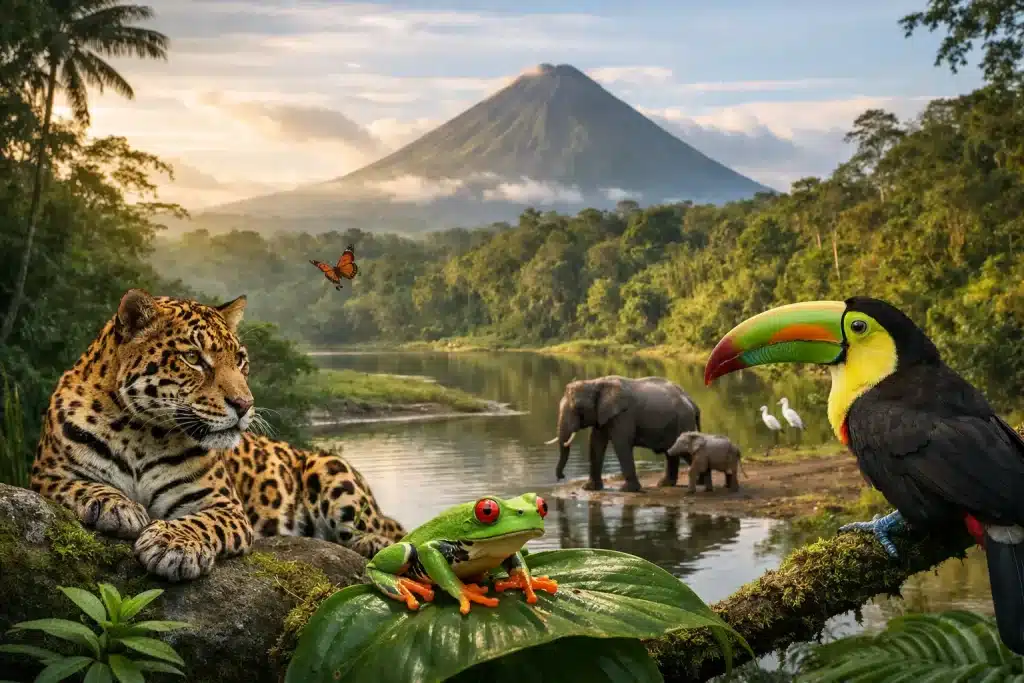
In a country like Costa Rica, that connection is easy to see. Protected areas, wildlife corridors, and forest recovery have helped support extraordinary biological richness in a relatively small territory. But even here, success is never automatic. Conservation works when laws are enforced, local communities benefit, and development is managed with ecological limits in mind.
Biodiversity responds to protection, but not always quickly
One of the most common misunderstandings about conservation is the expectation of instant results. Ecosystems rarely recover on a human timetable. A forest can look green again long before it functions like a mature forest. Tree cover may return in a decade, while the return of specialized birds, pollinators, big mammals, or soil complexity may take far longer.
That delay matters because biodiversity is layered. A restored habitat may support generalist species first – animals and plants that tolerate disturbance well. More sensitive species often come later, if they come at all. That does not mean conservation failed. It means restoration and protection need time, continuity, and realistic expectations.
Marine systems tell a similar story. Protecting a reef or coastal nursery habitat can improve fish populations, but recovery depends on water quality, temperature stress, fishing pressure, and regional currents. A protected boundary on a map helps, but it does not solve everything.
The biggest gains come from protecting habitat connections
A single protected area can safeguard important wildlife, but isolation creates problems. Species need to move to find food, mates, cooler elevations, safer nesting grounds, and new territory. Climate change makes that need even more urgent.
This is where conservation has one of its most powerful effects on biodiversity: connectivity. Wildlife corridors and linked landscapes allow species to move across farms, forests, rivers, and mountain slopes instead of being trapped in ecological islands. Genetic exchange improves. Local extinctions become less final. Populations are more resilient when drought, disease, or storms hit.
For international readers who know Costa Rica as a travel dream, this is part of what makes the country so compelling beyond the postcard image. You are not only seeing beautiful nature. You are seeing the result of decades of decisions about land use, national parks, private reserves, and the economic value of keeping ecosystems alive.
Conservation also protects the small and overlooked
Charismatic wildlife gets attention, and understandably so. Sea turtles, monkeys, jaguars, and macaws inspire people to care. But biodiversity depends just as much on species most visitors never notice.
Pollinators, fungi, seed dispersers, soil microbes, frogs, bats, and mangrove invertebrates form the hidden machinery of ecosystems. Conservation affects biodiversity by protecting these less visible species along with the famous ones. When forest edges are degraded, pesticides spread, streams warm, or wetlands are filled, the damage often starts with these quieter forms of life. Once they decline, larger ecological problems follow.
That is why serious conservation is not just about saving one iconic animal. It is about preserving system function. If the insects disappear, birds struggle. If mangroves are cut, fish nurseries shrink. If predators vanish, prey dynamics change and habitats can degrade in ways that are difficult to reverse.
There are trade-offs, and they should be said plainly
Conservation is not always neat, and it is not free of tension. Land set aside for protection may limit certain types of development. Fishing restrictions can strain coastal livelihoods if there are no alternatives. Tourism marketed around wildlife can generate funding, but too much tourism can disturb the very places people came to admire.
This is where the question becomes more mature. How does conservation affect biodiversity? Usually for the better, but the outcome depends on how conservation is designed and who is included. Top-down rules without local trust can fail. Protected areas without enforcement can become symbolic. Restoration projects that plant the wrong species or prioritize appearance over ecology can create a green landscape with limited biological value.
Good conservation recognizes these trade-offs early. It works best when local communities, landowners, scientists, businesses, and government agencies all have a stake in success. It also works best when economic incentives align with ecological goals, whether through sustainable tourism, regenerative agriculture, water protection, or payments tied to ecosystem services.
Conservation is about resilience, not freezing nature in place
Some people picture conservation as putting nature behind glass. In reality, healthy biodiversity is dynamic. Species move. Forests regenerate. Coasts shift. Rivers change course. Fire, flood, and seasonal drought all play ecological roles.
Effective conservation does not try to stop all change. It tries to keep ecosystems resilient enough to absorb change without unraveling. That distinction matters more every year. Climate pressure, warming oceans, altered rainfall, and expanding infrastructure mean that biodiversity cannot rely only on static protected zones. It needs flexible strategies that account for movement, adaptation, and cumulative pressure.
In practical terms, that may mean protecting elevational gradients so species can shift uphill, restoring riparian buffers that cool streams, or reducing fragmentation outside formal parks. It may also mean accepting that some losses are already underway and focusing on preventing far greater ones.
Why this matters beyond wildlife watching
Biodiversity is often framed as a moral or aesthetic issue, and it is both. But it is also economic, social, and deeply practical. Diverse ecosystems stabilize soils, filter water, support fisheries, pollinate crops, store carbon, and reduce the severity of floods and heat. When conservation supports biodiversity, it protects services that people depend on every day, whether they notice them or not.
That makes the issue especially relevant for travelers, investors, and future residents. The appeal of a place is tied to the health of its landscapes. Beaches erode differently when mangroves are lost. Rivers change when upstream forests are cleared. Wildlife disappears from areas where unchecked development strips away habitat. The value of paradise is not separate from ecological stewardship. It rests on it.
For a country celebrated for biodiversity, the challenge is maintaining that reputation honestly. Success stories deserve recognition, but they should not become an excuse for complacency. Conservation must keep pace with road expansion, coastal pressure, pollution, illegal extraction, and climate risk. Otherwise, biodiversity becomes a brand promise with less substance behind it.
So, how does conservation affect biodiversity over time?
Over time, strong conservation tends to make biodiversity richer, more stable, and more resilient. It lowers extinction risk, supports ecological complexity, and gives damaged systems a chance to recover. Weak or poorly managed conservation can still help, but its gains are often partial and vulnerable.
The real measure is not whether a protected area exists on paper. It is whether species can still complete the ordinary acts of survival there – feeding, nesting, migrating, reproducing, and adapting. When conservation secures those conditions, biodiversity has a future. When it does not, decline may continue even under a green label.
That is why conservation is never a one-time victory. It is an ongoing choice to treat living systems as essential infrastructure, cultural inheritance, and a source of wonder worth defending. The next time you hear a howler monkey at dawn or watch a reef flicker with life beneath clear water, remember that these experiences do not endure by accident. They endure because people decide they should.
FAQs
How does conservation affect biodiversity the most?
By protecting habitat and keeping ecosystems connected enough for species to survive and move.
Does biodiversity recover immediately after conservation starts?
No. Recovery is often slow, especially for sensitive species and complex ecosystems.
Why are wildlife corridors important?
They allow species to move, find mates, adapt to climate pressure and avoid becoming trapped in isolated pockets.
Does conservation help insects and fungi too?
Yes. Conservation protects overlooked species such as pollinators, fungi, soil microbes and bats that keep ecosystems working.
Can conservation have drawbacks?
Yes, especially if local people are excluded or if protection exists on paper without real enforcement.