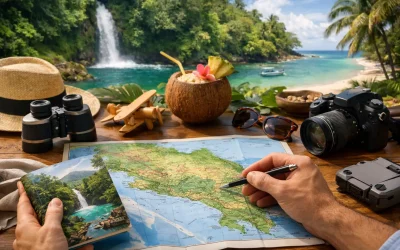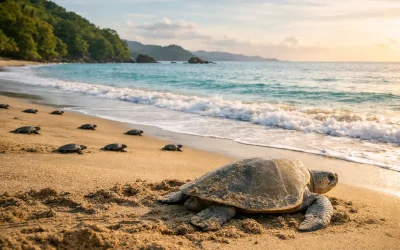

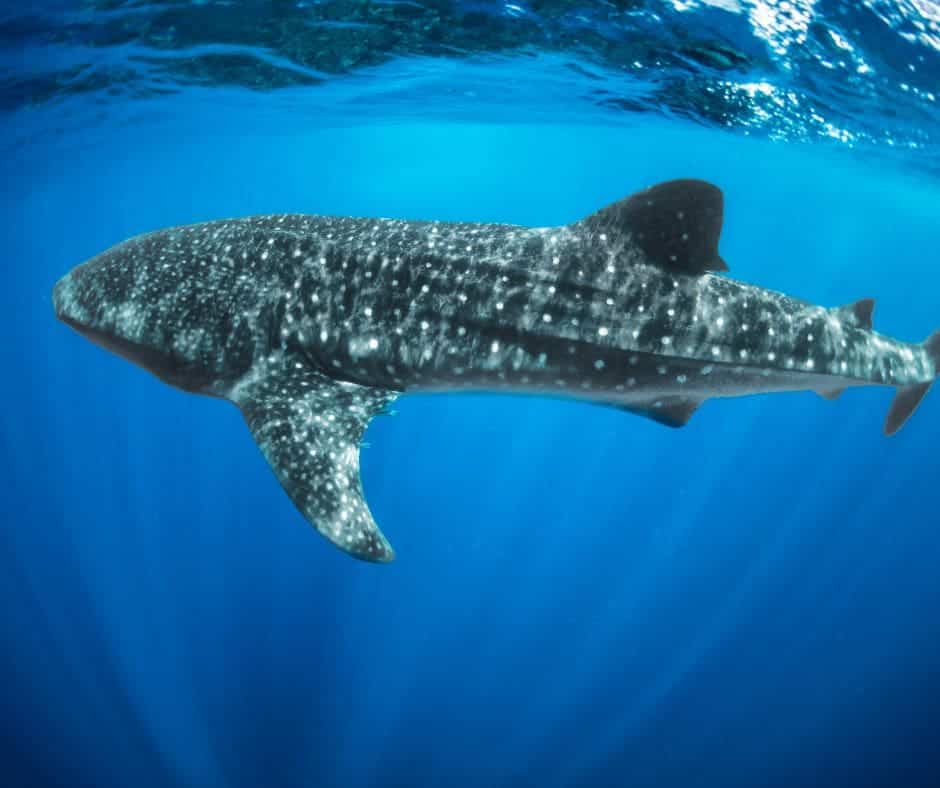
Costa Rica, renowned for its diverse wildlife, is a prime destination for those seeking encounters with marine giants. Among these, the whale shark stands out as one of the most awe-inspiring creatures to grace the country’s coastal waters. These gentle giants, known scientifically as *Rhincodon typus*, are the largest fish in the ocean, and swimming alongside them is an unforgettable experience.
When to See Whale Sharks
The best time to spot whale sharks in Costa Rica is from May to November. During these months, the waters are rich with plankton, the primary food source for whale sharks, attracting them in greater numbers. The period between June and September is particularly favorable, offering higher chances of encountering these magnificent creatures.
Where to Spot Them
The most renowned spot for whale shark sightings in Costa Rica is the Catalina Islands, located off the northern Pacific coast near the province of Guanacaste. These islands are a haven for divers and snorkelers due to their rich marine biodiversity. Another excellent location is Cocos Island, a remote and pristine UNESCO World Heritage Site situated approximately 550 kilometers off the coast. This island is famous for whale sharks and its abundant population, making it a top destination for adventurous divers.
The Plight of Whale Sharks
Despite their grandeur and significance to marine ecosystems, whale sharks face numerous threats that jeopardize their survival. Overfishing, bycatch, and habitat destruction are significant concerns. Additionally, the increasing demand for their fins and meat in some parts of the world has led to a drastic decline in their populations. Climate change also poses a threat, as it affects the abundance and distribution of plankton, thereby impacting the whale sharks’ food supply.
Efforts to protect whale sharks are ongoing, with various conservation programs and international regulations in place. Marine protected areas, such as those around Cocos Island, safeguard these gentle giants. Furthermore, ecotourism can contribute positively when conducted responsibly, raising awareness and funds for conservation efforts while providing locals with sustainable livelihoods.
A Call for Conservation
Encounters with whale sharks off Costa Rica’s shores offer a profound reminder of the ocean’s wonders and the importance of preserving them. As these gentle giants glide gracefully through the water, they inspire a sense of awe and a call to action for their protection. By supporting sustainable tourism and conservation initiatives, we can help ensure that future generations will also have the opportunity to witness the majesty of whale sharks in the wild.
For those planning a trip to Costa Rica, a whale shark encounter should be on the top of the list. With careful planning and respect for these magnificent creatures, visitors can enjoy an extraordinary experience while contributing to marine life conservation. Costa Rica’s commitment to preserving its natural beauty makes it a perfect destination for anyone seeking a deeper connection with the ocean’s wonders.
#howlermag #howlermagazine