

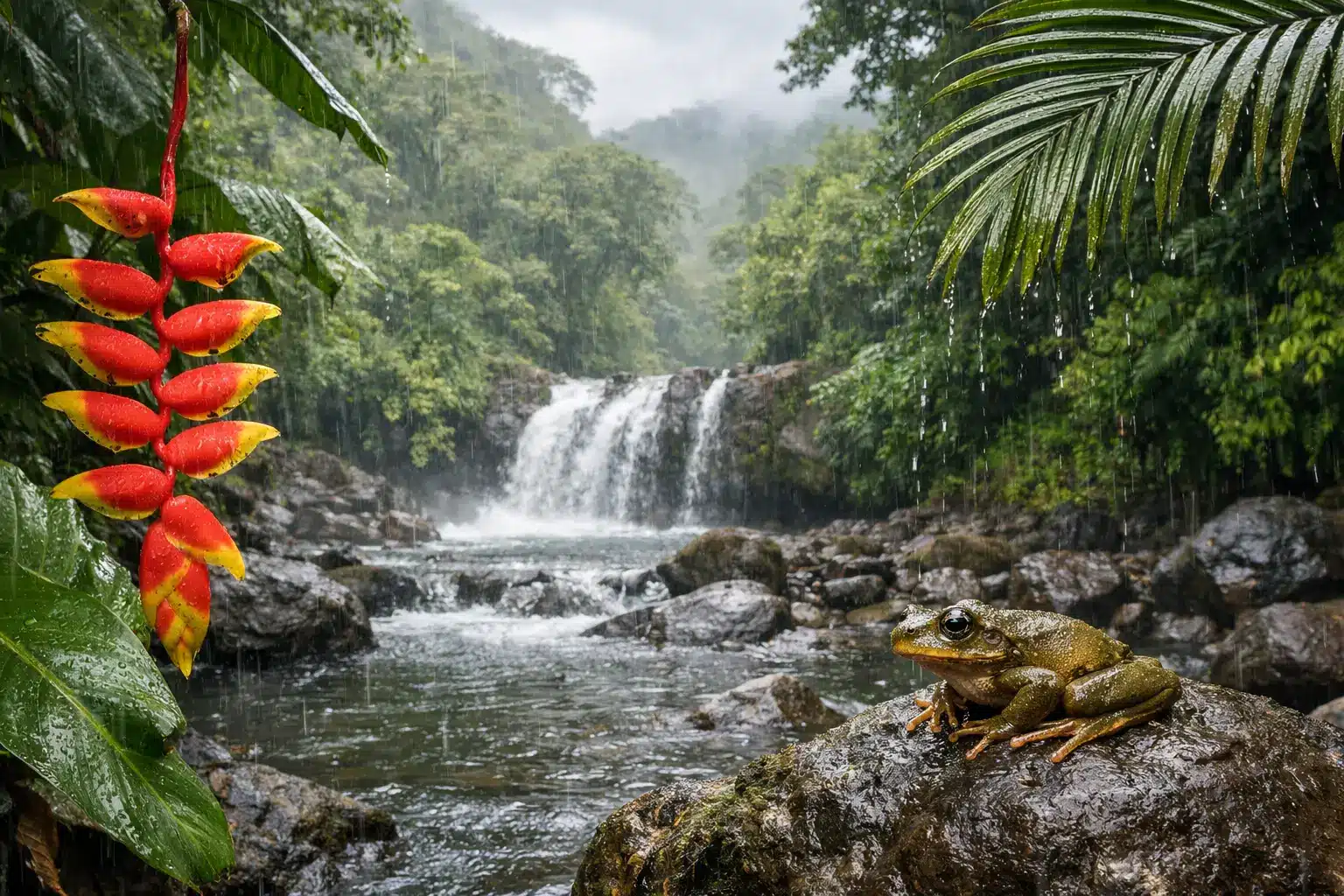
By midafternoon in much of Costa Rica, the sky can change its mind fast. A bright blue morning over the Pacific gives way to rolling gray clouds, the trees glow a deeper green, and then the rain arrives – hard, warm, and theatrical. That rhythm is the heart of this Costa Rica rainy season guide, because the wet months are not a travel mistake to avoid. For many people, they are the country at its most alive.
Why the rainy season changes everything
Locals often call it the green season, and that is not marketing spin. After the dry months, Costa Rica exhales. Rivers fill out, hills turn luminous, and wildlife activity seems to pick up right on cue. You hear frogs at dusk, see waterfalls regain their swagger, and notice that even familiar roads and gardens look newly polished.
That does not mean every day is easy. Travel in the rainy season comes with trade-offs. Some roads become slow going, beach plans need flexibility, and if your dream trip depends on all-day sunshine, you may feel frustrated. But if you want fewer crowds, softer prices, dramatic landscapes, and a more atmospheric version of the country, the timing can work in your favor.
Costa Rica rainy season guide by month
Costa Rica’s rainy season generally runs from May through November, but that simple calendar hides a lot of regional variation.
May and June
These are often sweet-spot months. The rains return, but they are usually manageable, especially earlier in the season. Mornings tend to be clear, afternoons bring showers, and the countryside starts to green up without feeling fully saturated. For travelers who want a taste of the season without committing to the deepest wet months, this is often the best balance.
July and August
These months can surprise first-time visitors. In some parts of the country, especially on the Pacific side, July may bring a brief mid-season break known as the veranillo, or little summer. You still need rain gear, but you may get long stretches of excellent weather. August can go either way, depending on the year and the region.
September and October
This is when the Pacific side is usually at its wettest. Roads can flood, river crossings become more serious, and some remote lodges or routes may be harder to access. If your plan is beach hopping in Guanacaste or driving the Nicoya Peninsula on a tight schedule, these are the months to think twice.
At the same time, the Caribbean side often tells a different story. Places like Puerto Viejo and Cahuita can enjoy some of their best weather in September and October, when much of the Pacific is soaked.
November
November is a transition month. The rains begin to ease in many areas, landscapes remain lush, and the country starts shifting toward high season. If you like green scenery but want a better shot at stable weather, this can be a smart window.
The biggest mistake travelers make
The biggest mistake is treating Costa Rica as if the whole country follows one forecast. It does not. Microclimates are part of daily life here.
The Pacific coast, Central Valley, Caribbean, and mountain regions can all behave differently on the same day. You may wake up to sunshine in Nosara, drive into mist in Monteverde, and finish with steady rain in the afternoon near Arenal. A good rainy season plan is less about chasing a perfect forecast and more about choosing the right region for your priorities.
Best places to go during the green season
If you love moody scenery, jungle energy, and fewer people, the rainy season can be a gift.
Arenal is excellent in green season if you do not mind a passing downpour. The rainforest feels right at home, hot springs become even more inviting in the rain, and the volcano area often looks cinematic under shifting cloud cover. Monteverde can be wetter and cooler, but for many visitors that misty atmosphere is exactly the appeal.
On the Pacific side, places such as Manuel Antonio, Dominical, Uvita, and the Osa Peninsula become intensely green and beautiful. Whale watching on the South Pacific coast is a strong reason to travel in the second half of the year, especially around Marino Ballena National Park. The beaches may not offer postcard-perfect sunshine every hour, but the trade-off is a more dramatic, less crowded experience.
For September and October, the Caribbean deserves special attention. This is when beach lovers who know Costa Rica often head east instead of west. The water can be calmer, the sunshine more reliable, and the vibe along the southern Caribbean coast especially appealing.
What rain really does to your travel plans
A realistic Costa Rica rainy season guide needs to be honest about logistics. Rain affects more than your beach towel.
Driving takes longer, sometimes much longer. Potholes deepen, unpaved roads become slippery, and daylight fades quickly under cloud cover. If you are renting a car, avoid building an itinerary with back-to-back long drives and late arrivals. In green season, a shorter route with room for delays is usually the wiser choice.
Tours also shift with the weather. White-water rafting can be fantastic with fuller rivers, but ocean conditions may cancel some boat trips. Hiking is often beautiful, though muddy. Waterfalls can be spectacular, but currents and slippery rocks demand caution. This is a season that rewards common sense.
That same rain can also improve certain experiences. Surfers often find consistent swells. Anglers may target specific species at productive times of year. Photographers get richer colors, dramatic skies, and fewer strangers in the frame. It depends on what kind of trip you came for.
What to pack and how to move through the day
Packing for the rainy season is less about hauling heavy gear and more about choosing quick-drying essentials. Lightweight clothes, a compact rain jacket, sandals that can handle wet ground, and one pair of solid walking shoes will take you far. A dry bag is useful on boat transfers and for electronics, and mosquito repellent matters more when humidity climbs.
The smarter adjustment is not in your suitcase but in your schedule. Start early. In many parts of Costa Rica, mornings are your best friend during the rainy season. Plan hikes, wildlife tours, transfers, or beach time before noon when possible. Leave afternoons open for a long lunch, a spa treatment, a museum, a nap in a hammock, or simply watching the weather put on a show.
That rhythm feels natural once you stop fighting it. Costa Rica in the green season is not asking you to do less. It is asking you to move differently.
Is the rainy season cheaper?
Often, yes, but not always in the way people expect. You may find lower hotel rates, seasonal promotions, and more room to choose among sought-after properties. Popular attractions can feel more relaxed, and restaurants are less slammed.
Still, lower rates do not erase practical costs. A private transfer may make more sense than a risky self-drive in remote areas. Travel insurance becomes a better idea when the weather can interrupt plans. And if a washed-out road causes a reroute, that budget trip can change quickly.
For remote workers, prospective expats, and property shoppers, rainy season offers a different kind of value. You get to see Costa Rica under real conditions. That matters. It is easy to fall in love with a town in peak dry season. It is more useful to know what the roads, drainage, internet reliability, humidity, and day-to-day rhythm feel like when the weather is doing what it naturally does.
Should you visit Costa Rica in the rainy season?
If you need guaranteed sun every day, probably not. If you are uneasy with flexible schedules, occasional mud, or changing road conditions, dry season may suit you better.
But if you want Costa Rica at its greenest, most dramatic, and often most soulful, the rainy season is worth serious consideration. This is when the country feels less staged and more intimate. You notice the scent of wet earth, the percussion on tin roofs, the steam rising off the forest after a downpour. You remember that tropical beauty is not a static picture. It is movement.
That is the real value of timing a trip well. Not just better weather odds, but a better match between your expectations and the version of Costa Rica you actually want to meet.
FAQS
When is the rainy season in Costa Rica?
In most of Costa Rica, the rainy season runs from May through November. The heaviest rain on the Pacific side usually falls in September and October, while the Caribbean often has a different pattern.
Does it rain all day in Costa Rica during the rainy season?
Usually not. In many regions, mornings are clearer and rain arrives in the afternoon or evening. During the wettest months, though, some days can be consistently rainy.
Is it safe to drive in Costa Rica during the rainy season?
Yes, but conditions can be more challenging. Expect slower travel, rougher roads in some areas, and occasional flooding. Avoid driving unfamiliar rural routes after dark.
What is the best part of Costa Rica to visit in September and October?
The Caribbean side is often the best bet during those months, especially if you want beach time and better chances for sunshine.
Is the rainy season a good time for relocation or real estate scouting?
It can be one of the smartest times to visit if you are considering a move or investment. You will see how a town functions in real weather conditions, not just peak-season perfection.
Costa Rica rarely asks for perfect timing. It asks for the right mindset. If you arrive ready for green hills, changing skies, and a looser grip on the clock, the season tends to reward you.
Have you visited Costa Rica in the green season, or are you still deciding if the rain is worth the gamble? Which matters more to you – lower crowds or guaranteed sunshine? Share your thoughts, compare notes with fellow travelers, and keep following Howler Media for more grounded, local insight on experiencing Costa Rica well.