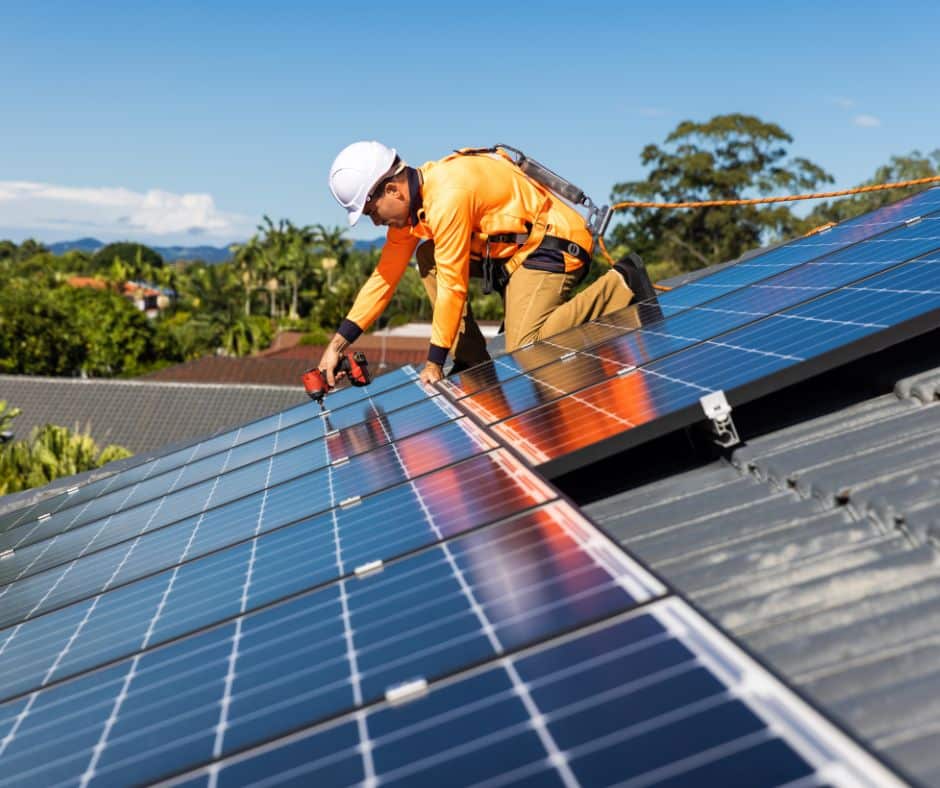
From the lush jungles to the surf-swept coasts of Costa Rica, a quiet energy revolution is quietly underway — one that spans business, real-estate developments, wildlife sanctuaries, dining destinations and eco-tourism lodges alike. If you own a home or commercial property here and have been contemplating solar power, now might be the moment to act, thanks to evolving regulations and market conditions in the Costa Rican solar sector. #howlermag #howlermagazine
What’s changed in solar for Costa Rica?
Solar opportunities remain strong, but recent regulatory shifts mean property owners must stay alert. The adoption of distributed generation systems (such as rooftop solar feeding back into the grid) in Costa Rica has been underpinned by laws like Law 10.086 and the broader renewable-energy framework. (CRIE)
However, new “access-tariff” charges (sometimes called a “sun tax”) were introduced by the Public Services Regulatory Authority (ARESEP), which impose fees for grid-connection despite solar generation — effectively reducing the net benefit for some users. (Tico Times)
So while solar remains compelling, the financial case is more nuanced than before.
How do the rules for self-generation work now?
You still can generate your own electricity and connect to the grid via net-metering or similar arrangements. Resellers, co-ops and the national utility have a regulatory obligation to permit connection under certain conditions. (ICLG Business Reports)
That said:
- You must install the correct metering equipment and meet technical approvals.
- The tariff for your “back-up” or grid access may be higher than previously anticipated. (Tico Times)
- Solar still receives favourable regulatory standing, but the calculus (pay-back time, savings) has shifted.
What’s driving adoption — and what’s slowing it down?
On the plus side:
- Costa Rica’s renewable-energy identity makes solar an attractive value-add for properties in tourism, hospitality, real estate and agriculture sectors.
- Declining hardware costs and increased local installer capacity are aiding uptake. (PVKnowhow)
On the other side: - The newly introduced access fees act as a headwind for smaller installations. (Tico Times)
- Some critics argue the regulatory momentum has slowed, and the uptake of distributed solar has not reached anticipated levels since the December 2021 law. (EcoRealtors Costa Rica)
- Installation-circuit capacity limits may apply and different utility/co-op territories may interpret connection rules differently.
Why should a home or business owner care right now?
- The return-on-investment seen in earlier solar models (often < 5 years) may take slightly longer due to newer fees, but it remains competitive given Costa Rica’s high electricity costs.
- For commercial properties, restaurants, eco-lodges, wildlife-sanctuary facilities and large-scale residences, solar continues to offer a meaningful differentiator in sustainability credentials and cost control.
- Acting sooner may avoid future unknown regulatory headwinds, capacity constraints or increased fees.
Where are the tricky bits?
- Ensure your chosen utility or co-operative is fully engaged in the distributed-generation application process, including technical inspections and grid-connection approvals.
- Clarify the “access tariff” applicable in your grid zone: this is the fee for being connected even when you generate your own power.
- Monitor any local circuit-capacity limits or restrictions specific to your region/co-op network.
- Factor in realistic yields: while Costa Rica has high solar potential, system losses, shading, roof orientation, and equipment maintenance will all affect performance. (PVKnowhow)
Practical steps if you’re interested right now
- Engage a reputable solar installer with local experience and ask for a fully itemised proposal showing expected generation, pay-back schedule, and tariff/fee assumptions.
- Verify that your planned system meets the utility’s technical standards, and check the approval process timeline.
- Review your current electricity bill: understand your consumption pattern, peak load and how much of your demand could be shifted to solar.
- Investigate any incentives, tax breaks or import-duty exemptions for solar equipment that may apply.
- Consider storage (battery) if your business needs full resilience, although grid-tie with crediting is typically simpler and lower-cost.
Frequently Asked Questions (FAQ)
Q: Is net-metering (or its equivalent) still available everywhere in Costa Rica?
Yes — in principle, all utilities and co-operatives must permit distributed generation under the regulatory framework. (ICLG Business Reports)
Q: Will I still get credit for excess solar sent to the grid?
Yes — but how that credit is calculated, and the incremental grid-connection fees you pay, may affect the net benefit.
Q: Is now a good moment or should I wait for better conditions?
If you have a suitable site, it’s worth acting now — delays may mean you miss current equipment pricing, or face capacity constraints in your circuit.
Q: Are there hidden risks?
Yes — for example: local utility approval delays; potential changes in tariffs or regulation; system under-performance; and access fees.
Q: Does solar make sense for commercial properties such as lodges, restaurants, real estate developments?
Absolutely — the cost savings and marketing benefit of “green credentials” can be substantial, especially with high-tariff consumption and visible positioning.
Former Navy Journalist, published author and international speaker. Howler executive since 2019.