

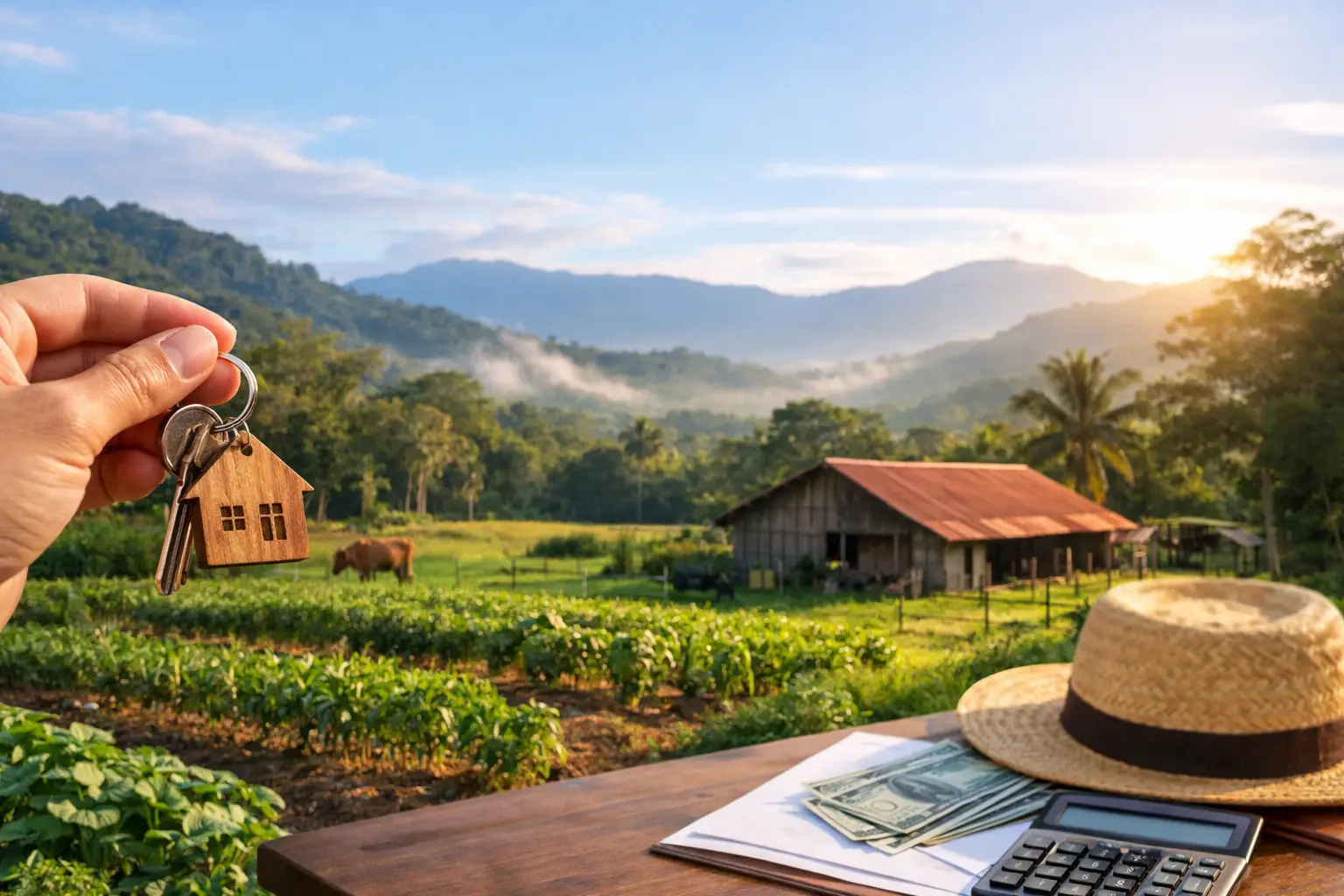
The dream usually starts the same way: a hillside with a view, a few fruit trees, maybe a coffee patch, and the feeling that life could be simpler here. Then reality arrives with muddy boots. A small farm investment in Costa Rica can be deeply rewarding, but it is not a postcard purchase. It is a land, lifestyle, and business decision rolled into one, and the smartest buyers know how to separate romance from real returns.
Costa Rica has a way of making agricultural land feel personal. You are not just buying acreage. You are buying rainfall patterns, road access, labor availability, water rights, soil quality, and a daily relationship with the land. For some investors, that becomes the whole point. For others, it becomes the reason they wish they had asked harder questions before signing.
Why small farm investment in Costa Rica attracts buyers
Part of the appeal is obvious. Costa Rica offers year-round growing conditions, biodiversity that feels almost cinematic, and an international reputation for environmental leadership. Add political stability, a strong property rights framework compared to many markets, and a steady stream of foreign buyers looking for a more grounded life, and small farms start to look like more than a lifestyle fantasy.
But there is another reason this niche keeps growing. Many buyers are not chasing industrial agriculture. They want a manageable piece of land that can support a home, a boutique production project, rental income, or partial self-sufficiency. A five-acre property with cacao, tropical fruit, and a small guest casita may be more attractive than a large-scale operation that depends on thin margins and constant oversight.
That said, the phrase investment means different things to different people. For one buyer, it means appreciation over time. For another, it means producing coffee, turmeric, honey, or avocados. For someone else, it means a hybrid property that combines farming with wellness retreats or eco-tourism. In Costa Rica, those distinctions matter because the best location for lifestyle farming is not always the best location for profit.
What makes a good small farm investment in Costa Rica?
The short answer is fit. A good farm matches your goals, budget, and tolerance for complexity.
If you want hands-on farming, you need to think like an operator. Soil tests, drainage, sun exposure, elevation, and water access come first. If you want the property to hold value while giving you a beautiful place to live, then access, nearby services, security, and long-term area demand may matter more than the perfect harvest.
Location changes everything. In higher elevations, coffee, certain vegetables, and cool-weather herbs can do well. In lower, wetter zones, cacao, bananas, tropical fruit, and timber may make more sense. The Pacific side brings strong buyer interest in certain regions, but dry seasons can affect water planning. The Caribbean side is lush and fertile, though humidity and rainfall can create a different kind of maintenance burden.
The best small farms are often the least flashy at first glance. They have usable topography, dependable legal water access, decent roads year-round, and enough nearby infrastructure to keep operations practical. A dramatic mountaintop parcel may look irresistible until you are hauling supplies in the rainy season.
The numbers behind the dream
This is where emotion should take a seat.
Small farm pricing in Costa Rica varies widely by region, access, elevation, infrastructure, and whether the land is raw or already productive. A modest parcel with a simple home and established crops can look expensive next to raw land, but raw land often demands far more capital once you factor in roads, fencing, irrigation, labor, storage, housing, and time.
And time matters. Fruit trees do not care about your return schedule. Cacao takes patience. Coffee requires management and processing logistics. Even a productive property may need a season or two before you understand what it truly costs to run.
Buyers should budget beyond the purchase price for legal review, survey verification if needed, corporate structuring if appropriate, closing costs, basic improvements, equipment, and working capital. Then add a cushion. In Costa Rica, surprises tend to arrive during the rainy season, in the form of a washed-out road, a drainage issue, or repairs that suddenly cannot wait.
Legal and practical checks you should never skip
A beautiful farm can still be a bad deal.
Before moving forward, confirm the title status, property boundaries, land use limitations, water source legality, public road frontage or legal access easements, and whether any structures were built with proper permits. If the farm includes a creek, spring, forested area, or sits near protected land, environmental regulations may affect what you can build or clear.
This is also the moment to ask how the property has actually been used. Was it neglected? Overgrazed? Dependent on chemicals? Is there erosion? Are workers in place, and if so, under what arrangements? A farm is an ecosystem, but it is also an operating history.
Foreign buyers can own property in Costa Rica, but professional legal guidance is not optional. The right attorney and a knowledgeable local real estate professional can save you from expensive optimism. This is one of those areas where experience on the ground beats online research every time.
Farming, lifestyle, or a mix of both?
Many buyers arrive imagining one thing and end up building another.
A small farm may begin as a retirement plan and turn into a hospitality concept. A family looking for a country home may discover a market for farm tours or artisanal products. An investor focused on revenue may eventually realize the real value sits in land appreciation and a strong quality of life.
That flexibility is part of the appeal in Costa Rica. The country attracts travelers and residents who value fresh food, nature, sustainability, and authentic experiences. A well-run small farm can support those preferences in creative ways. Think specialty coffee, regenerative produce, tropical orchard shares, educational visits, or a home base with enough land to feel independent without becoming overwhelming.
Still, mixed-use dreams require discipline. Hospitality adds regulation, staffing, marketing, and customer service. Farming adds weather, pests, and production risk. Combining both can diversify income, but it also multiplies moving parts.
The risks buyers tend to underestimate
The first is distance. Managing a farm remotely is harder than many expect. Even with a caretaker, absentee ownership can lead to small issues becoming expensive ones.
The second is climate. Costa Rica is fertile, yes, but fertile does not mean effortless. Heavy rain, heat, fungus, insects, and changing seasonal patterns all affect operations.
The third is labor and oversight. Good farm help is valuable, and retaining dependable people takes planning, fair compensation, and regular presence.
The fourth is assuming every green property is productive. Some land is gorgeous but not practical. Some is fertile but hard to access. Some has water only part of the year. Some is ideal for a home and terrible for a crop business. This is why buyers who do best usually spend time in the region before buying and talk to neighbors, growers, and local service providers.
Where opportunity still feels real
The strongest opportunities are often smaller, smarter, and more localized than buyers expect.
Established agricultural regions with proven crops can reduce experimentation. Areas near expat communities or tourism corridors may offer hybrid income potential, especially if the property can support both living and light commercial activity. Mountain regions remain attractive for climate and views, while fertile lower elevations can work well for tropical production if access and management are solid.
What matters most is not chasing a trend crop. It is choosing a property that makes operational sense in its microclimate and fits your actual life. Costa Rica rewards realism. The buyers who thrive here tend to be the ones who fall in love with the country and still bring a notebook.
For readers who have followed Howler Media over the years, that balance will feel familiar. Costa Rica can absolutely be a place of reinvention, but it has always rewarded people who pay attention.
FAQs about small farm investment in Costa Rica
Can foreigners buy farmland in Costa Rica?
Yes. Foreigners can generally own titled property in Costa Rica with the same rights as locals, though proper legal due diligence is essential.
What size counts as a small farm?
There is no single rule, but many buyers use the term for properties that are manageable for a family or small team, often a few acres up to modest multi-hectare parcels.
Is farming profitable in Costa Rica?
It depends on the crop, location, management, labor, water, and market access. Some small farms perform well, but profits are rarely passive.
What are the best crops for a small farm?
That depends on elevation, rainfall, soil, and your business model. Coffee, cacao, tropical fruit, vegetables, and specialty products can all work in the right setting.
Should I buy raw land or an established farm?
Established farms can reduce startup time and guesswork, but they may cost more upfront. Raw land can offer value, though development costs add up quickly.
Can I live on the farm full-time?
Often yes, if zoning, access, utilities, and infrastructure support residential use. That should be verified before purchase.
A small farm in Costa Rica can be a business, a sanctuary, or a little of both. The real magic is not in owning land for the sake of it. It is in finding a piece of the country that matches the life you want to build and the work you are willing to do.
What would matter more to you – monthly income from the land, or the lifestyle that comes with it? And if you were choosing a region, would you rather wake up in the mountains or near the coast?
If you are seriously considering a farm purchase in Costa Rica, start by spending time in the areas that call to you, ask better questions than you think you need to, and keep reading for grounded local insight that helps turn a beautiful idea into a smart decision.