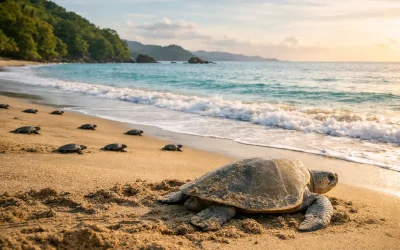

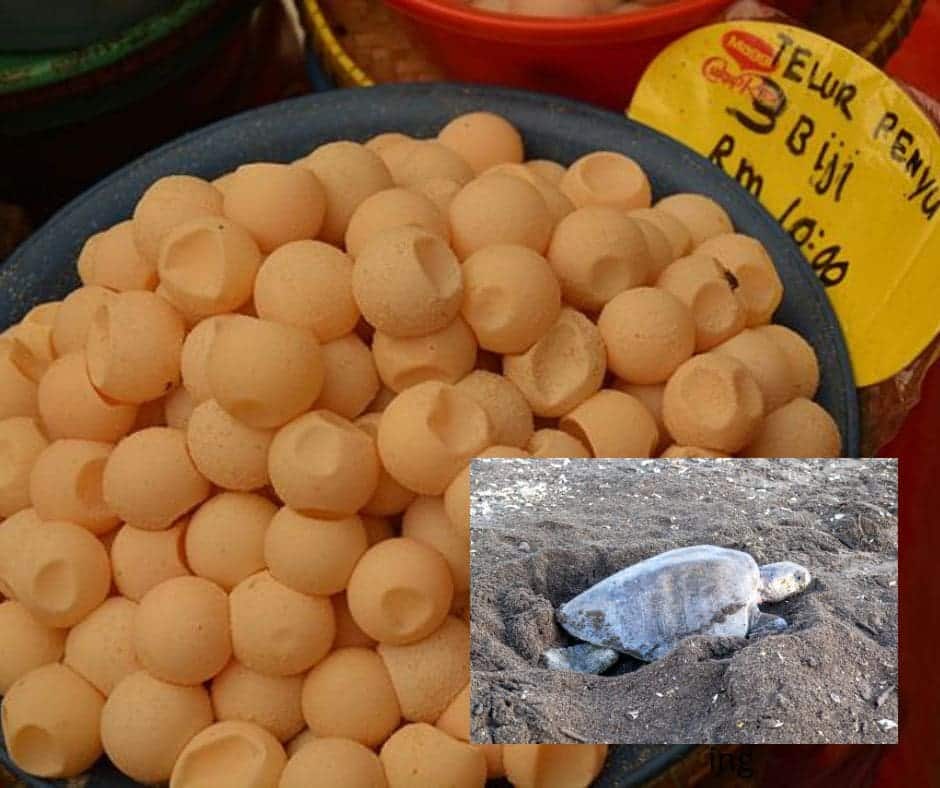
In Costa Rica, the consumption of sea turtle meat and eggs is a practice steeped in tradition, controversy, and ongoing debate. Despite international and local regulations aimed at protecting these endangered species, certain communities continue to harvest sea turtles and their eggs, citing cultural heritage and economic necessity. This article delves into the complexities of this issue, exploring the ethical, ecological, and cultural dimensions that make the consumption of sea turtles a particularly contentious topic.
Historical and Cultural Context
For centuries, coastal communities in Costa Rica, as in many parts of Central America and the Caribbean, have relied on sea turtles as a source of protein. Turtle meat and eggs have been integral to the diet in these regions, where fishing is often the cornerstone of the local economy and cultural practices. In some areas, the consumption of turtle eggs is associated with various cultural beliefs, such as their supposed aphrodisiac properties.
However, as sea turtle populations have dwindled due to overharvesting, habitat loss, and pollution, the practice has come under scrutiny. Today, consuming or trading in turtle products is illegal under both Costa Rican law and international conventions like CITES (the Convention on International Trade in Endangered Species of Wild Fauna and Flora). Despite these regulations, illegal poaching and trade persist in some areas, driven by both tradition and economic incentives.
Ecological Impact
Sea turtles play critical roles in marine ecosystems. Species like the leatherback and the hawksbill help maintain the health of coral reefs and seagrass beds, which in turn supports diverse marine life. The decline in sea turtle populations poses a significant risk to the stability of these ecosystems.
The harvesting of eggs is particularly damaging. Sea turtles have a low survival rate from hatchling to adulthood; only a tiny fraction of hatched turtles reach maturity. Removing eggs from nests exacerbates this natural attrition, further endangering the population.
Legal Exceptions and Conservation Efforts
Recognizing the cultural significance of turtle egg consumption, Costa Rican authorities have experimented with regulated egg harvesting programs. For example, in Ostional, a small community on the Pacific coast, locals are allowed to collect and sell a portion of sea turtle eggs laid during mass nesting events, known as “arribadas.” This program, monitored by the government and environmental organizations, is based on the idea that many eggs laid during arribadas are unlikely to survive naturally due to overcrowding and predation.
The Ostional Wildlife Refuge was established to provide a controlled environment where egg harvesting could be sustainably managed. This approach aims to balance the needs of the community with conservation goals, providing a legal source of income while protecting the majority of the eggs. However, the effectiveness and ethical implications of this program continue to be a subject of debate among conservationists and animal rights advocates.
Ethical Considerations and Global Perspectives
The consumption of sea turtles raises profound ethical questions. Animal rights organizations argue that the practice is cruel and unsustainable, emphasizing the need to prioritize conservation over tradition. Conversely, proponents of regulated egg harvesting argue that it can be a tool for community engagement and education, leading to broader support for conservation efforts.
Internationally, the debate is mirrored in other regions with similar practices, such as in Southeast Asia and the Caribbean. Each region faces its unique challenges in balancing cultural traditions with conservation.
Moving Forward
The controversy over consuming sea turtle meat and eggs in Costa Rica highlights the broader challenges of wildlife conservation in the face of cultural traditions and economic pressures. Finding a path forward requires collaborative efforts among local communities, conservationists, and governments to create sustainable solutions that respect both cultural heritage and ecological necessity. Education and alternative economic opportunities may also play crucial roles in shifting practices toward more sustainable ones.
As Costa Rica and other nations grapple with these issues, the global community watches and learns, hoping to apply these lessons to similar conservation challenges worldwide. This ongoing conversation reflects a deeper understanding of the need to balance immediate human needs with long-term ecological survival, ensuring that future generations can also experience the richness of the world’s natural heritage.