

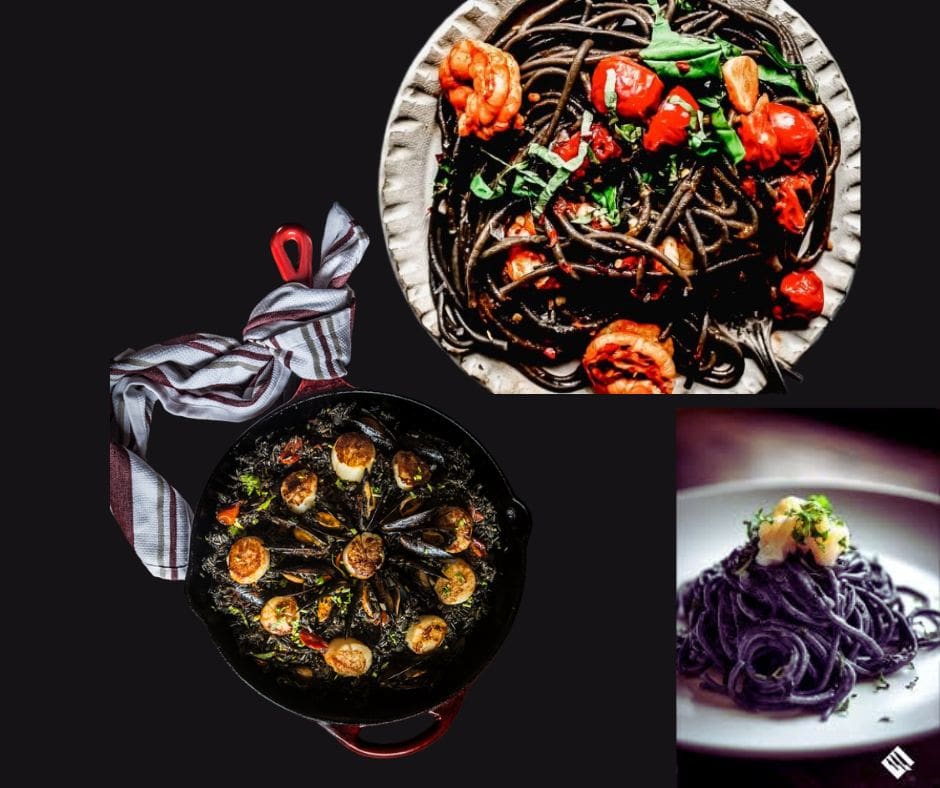
Costa Rica, a land enveloped by expansive coastlines, is renowned not only for its verdant landscapes but also for its culinary palette that tantalizes and intrigues. Among the myriad of flavors and colors that adorn the tables, black seafood dishes stand out, offering a visual and gustatory experience that is as unique as it is delectable.
The essence of black seafood cuisine lies in its use of distinctive ingredients that transform the dish’s appearance and taste. The primary ingredient that imparts the characteristic ebony hue is squid ink, harvested from the ink sacs of squids or cuttlefish. This ink is not merely a colorant but a flavor enhancer, imbuing dishes with a subtle brininess that is reminiscent of the ocean’s depths.
In Costa Rica, chefs utilize squid ink most prominently in risottos and pastas. Squid ink risotto, often garnished with tender pieces of squid or shrimp, presents a creamy consistency and a rich, complex flavor profile. The ink not only colors the rice but also infuses it with a marine savoriness that complements the freshness of the seafood.
Similarly, squid ink pasta, another popular dish, offers a striking contrast to traditional pastas. When tossed with seafood like clams, mussels, or prawns, the black strands create an arresting visual impact that is matched by the robust flavors. The ink’s slight saltiness enhances the natural sweetness of the seafood, creating a balanced dish that delights the palate.
The appeal of these black seafood dishes goes beyond their flavor. Visually, they make a bold statement. The deep black hue provides a dramatic backdrop that makes the colors of accompanying ingredients pop, turning a simple meal into a feast for the eyes.
Moreover, these dishes speak to the adventurous spirit of gastronomy, inviting diners to explore the unfamiliar and indulge in the richness of Costa Rican seafood. The culinary journey from ocean to plate is a testament to the creativity and innovation that Costa Rican chefs bring to the table, celebrating local ingredients in a form that challenges and satisfies.
While the aesthetic and taste of black seafood dishes are their main allure, they also offer a connection to Costa Rican culture and traditions. Seafood has always been a staple of the local diet, and the innovative use of squid ink is a perfect example of how traditional ingredients are being reinterpreted in modern cuisine.
In essence, the rarity and beauty of black seafood dishes in Costa Rica do more than just fill the stomach; they enchant the senses and provide a link to the coastal heritage of this lush country.