
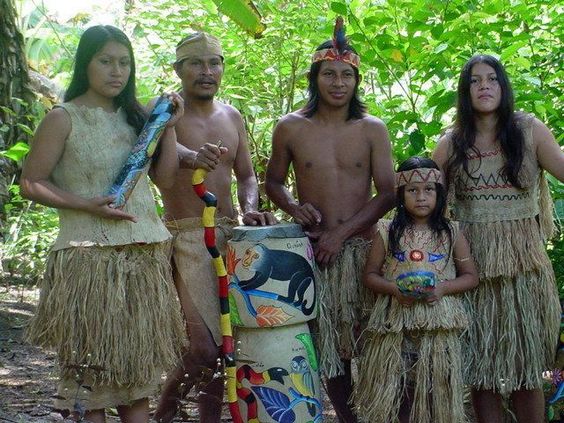
Costa Rica’s indigenous tribes have inhabited the country for centuries. The government of Costa Rica has committed itself to the protection of these tribes in order to ensure their survival and preserve their traditional way of life. However, indigenous tribes in Costa Rica have faced significant challenges in recent times, including discrimination, land grabbing and exploitation. It is imperative that the government takes proactive measures to protect the rights and interests of these vulnerable populations.
One of the main challenges facing indigenous people in Costa Rica is the loss of their land and natural resources. Many indigenous communities rely on their ancestral lands for subsistence farming, hunting and fishing. However, the rapid expansion of tourism, mining and agricultural activities has led to the encroachment of these lands, often leading to the displacement of these tribes.
To protect their rights, the government of Costa Rica has set up a national park system and reserves, which have been instrumental in preserving the rich biodiversity of the country. Additionally, there have been several successful community-based conservation projects that have helped local communities gain ownership of their land and natural resources.
Another major challenge faced by indigenous tribes in Costa Rica is the threat of violence, particularly against women and children. Reports suggest that acts of violence against indigenous women and girls are often perpetrated with impunity, leading to a growing concern around the issue. In response, several human rights organizations have been working towards raising awareness around these issues and advocating for policy changes to protect indigenous women and children.
Several grassroots organizations have also been established to empower local communities and provide them with the tools and resources they need to protect themselves and their families.
Finally, education has become an important tool for promoting awareness and understanding of indigenous cultures and traditions in Costa Rica.
The government of Costa Rica has been implementing policies to ensure that indigenous children have access to quality education that takes into account their cultural and linguistic diversity. Furthermore, initiatives such as bilingual education programs, cultural exchange programs and intercultural education have helped to foster mutual respect and understanding between indigenous and non-indigenous communities.
Protecting the indigenous tribes of Costa Rica is a complex process that requires a concerted effort from the government, civil society and indigenous communities themselves. It is crucial that the government takes proactive measures to protect the rights and interests of indigenous peoples and ensure their survival. This includes safeguarding their lands, improving access to justice, addressing gender-based violence, and promoting education and cultural exchange. By working together, we can create a future where indigenous peoples can thrive, and their traditional way of life can be preserved for generations to come.
Featured photo:
Maleku tribe living in an area called Guatuso.
Photo courtesy of www.twoweeksincostarica.com