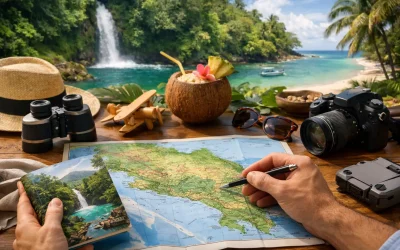

The difference often shows up at breakfast. In one hotel, the papaya was shipped in, the staff barely earns enough to stay nearby, and the “eco” label lives mostly on the brochure. In another, the fruit came from down the road, the guide leading your mangrove tour grew up in the village, and your stay helps keep a patch of forest standing. If you are wondering how to visit Costa Rica sustainably, that is the real question to keep in mind – not just where you go, but who benefits from your being there.
Costa Rica has earned its green reputation for good reason. Protected areas, reforestation, renewable energy, and a national identity tied closely to nature all set it apart. But sustainability here is not automatic, and tourism can help or harm depending on how it is done. The good news is that travelers have more influence than they think. Small choices, repeated over a week or two, shape the kind of tourism that grows.
How to Visit Costa Rica Sustainably Without Missing the Best Parts
The myth is that sustainable travel means sacrificing comfort, spontaneity, or memorable experiences. In Costa Rica, it usually means the opposite. The most rewarding trips tend to be the ones rooted in place – the family-run lodge near a cloud forest reserve, the naturalist who can identify ten bird calls before sunrise, the soda where lunch tastes like someone’s grandmother still runs the kitchen.
Start by slowing your itinerary down. Trying to do Arenal, Monteverde, Manuel Antonio, Tamarindo, Puerto Viejo, and the Osa Peninsula in eight days burns fuel, burns time, and leaves you with a highlight reel instead of a real feel for the country. Costa Rica looks small on a map, but mountain roads, weather, and ferry schedules can turn a short distance into a half-day journey. Fewer destinations, longer stays, and more time on the ground are better for both the environment and your sanity.
There is also a regional question to consider. Some destinations have mature tourism infrastructure and can absorb visitors more easily. Others are more fragile, with limited waste systems, water pressure, or wildlife protection. That does not mean avoiding lesser-known places. It means arriving with more awareness and less entitlement.
Choose Lodging That Does More Than Look Green
Eco-friendly has become an easy adjective in travel marketing, so look past the recycled-wood sign and the towel reuse card. A genuinely sustainable property usually leaves clues everywhere. Staff members are local and stay long term. Gardens include native plants rather than thirsty imported landscaping. Water use is managed carefully, especially in dry coastal zones. Waste is sorted. Single-use plastics are minimal. Tours are run with clear wildlife rules. Local food, art, and labor are part of the business model, not decorative afterthoughts.
Costa Rica’s Certification for Sustainable Tourism can be a helpful signal, but it should not be your only test. Ask simple questions before booking. Where does the property source food? How does it handle wastewater? Does it support nearby conservation or community projects? What percentage of employees are from the area? A good operator can answer without sounding defensive.
Luxury travelers are not off the hook here, but they are not the problem by default either. A high-end lodge with strong environmental systems, fair wages, and serious conservation partnerships may have a lighter footprint than a cheaper place cutting corners on waste, water, and labor. Price alone does not tell the story.
Transportation Is Where Good Intentions Get Tested
Anyone figuring out how to visit Costa Rica sustainably will run into the same friction point: getting around. The country’s geography is dramatic, and that drama comes with long drives, domestic flights, boat transfers, and a lot of gas. There is no perfect answer, only smarter trade-offs.
If your trip centers on one region, keep it that way. Pair destinations that make geographic sense. The Central Pacific combines well with the Nicoya Peninsula or the Central Valley. The Caribbean side deserves its own trip rather than a rushed add-on. The southern Pacific, especially the Osa, is best enjoyed slowly because reaching it takes time.
Shared shuttles, private transfers with full vehicles, and public buses generally beat multiple short car trips. Renting a car can still make sense, especially for families or remote stays, but try to reduce backtracking. If you rent a 4×4, use it because the route requires it, not because it feels adventurous. And if you are flying domestically to save a full day on the road, offset the impact by staying longer in one place and spending more of your budget locally.
Wildlife Encounters Should Feel Respectful, Not Convenient
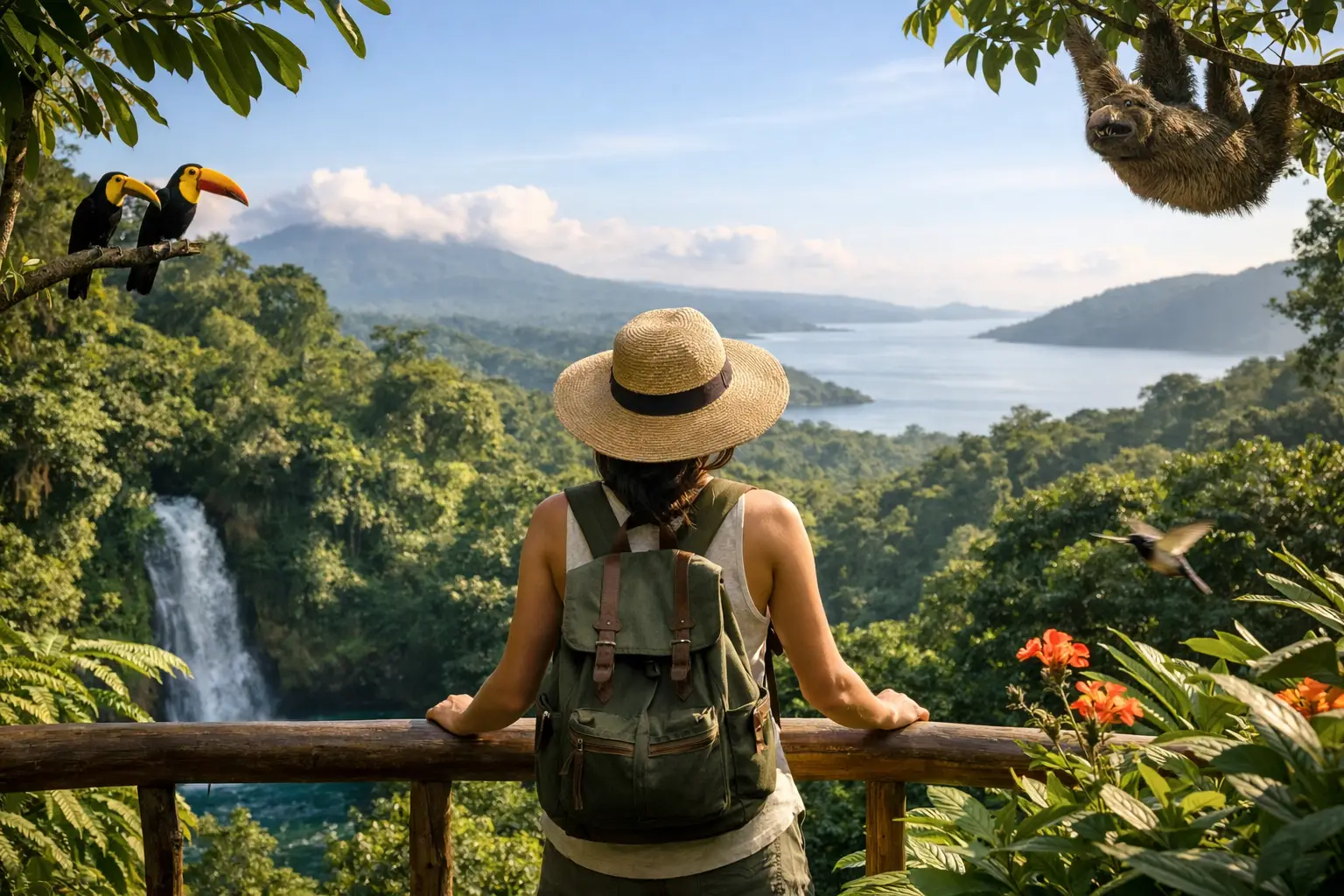
Costa Rica’s wildlife is one of the main reasons people come, and it is also one of the easiest things to love badly. Monkeys fed from balconies, sea turtles surrounded by phone flashlights, sloths treated like public props – these moments are still too common where tourism pressure is high.
The rule is simple: if the animal changes its behavior because of you, you are too close. Choose guides who keep distance, use spotting scopes, and talk more about habitat than selfies. Never feed wildlife. Avoid attractions that offer hands-on encounters with wild animals or guarantee an unnatural level of access. Sanctuaries should prioritize rehabilitation, not entertainment.
On the ocean, sustainable choices matter just as much. Responsible operators follow whale and dolphin viewing distances, anchor with care near reefs, and brief guests before they enter the water. A tour that says no to a reckless close-up is usually the right tour.
Eat and Shop in Ways That Keep Value in Costa Rica
Some of the best sustainable decisions barely feel like decisions at all. Eat local food. Buy from local makers. Hire local guides. Stay a little longer in one town and you start recognizing where your money actually goes.
Costa Rican food does not need to be complicated to be worth seeking out. Casados, fresh fish, tropical fruit, coffee grown at elevation, farm-to-table produce, Afro-Caribbean flavors on the east coast – these are not side notes to the trip. They are part of the place. The closer your meal is to the local landscape and the people who work it, the stronger the tourism loop becomes.
Shopping works the same way. Handmade ceramics, small-batch chocolate, locally designed clothing, wooden crafts made from legal and sustainable sources, and art with a real studio behind it all carry more value than imported souvenirs stamped with a toucan. Ask who made it. Ask where it came from. Most proud local businesses will be glad to tell you.
Water, Waste, and Beach Behavior Matter More Than People Think
Costa Rica’s natural beauty can make it easy to forget how much pressure visitor volume puts on infrastructure. In some beach towns, especially during high season, waste collection, recycling, and water systems are stretched thin. What feels like one extra plastic bottle or one long shower multiplied by thousands becomes a community issue quickly.
Bring a reusable bottle if your lodging offers safe refill stations. Carry a tote or dry bag instead of accepting new plastic bags. Use reef-safe sun protection where relevant, but also remember that the best reef protection is shade clothing and common sense about how much product washes into the water. On beaches and trails, leave nothing behind, including cigarette butts and fruit peels. Organic does not always mean harmless when it lands in the wrong ecosystem.
And respect posted access rules. Sand dunes, turtle nesting beaches, mangrove edges, and private conservation areas are not suggestions. They are often the thin line between healthy habitat and slow degradation.
Sustainable Travel in Costa Rica Also Means Cultural Respect
Nature gets most of the attention, but culture matters just as much. Sustainable travel is not only about forests, wildlife corridors, and carbon footprints. It is also about being a good guest in a country with its own rhythms, values, and pressures.
Learn a bit of Spanish, even if it is just enough to greet people properly and say thank you. Be patient when things move differently than they might back home. Tip fairly. Respect community quiet hours. Dress appropriately when you are outside the resort bubble. If you are staying longer term or working remotely, remember that your presence affects housing, prices, and local resources. The more you benefit from a place, the more thoughtful you should be about your footprint in it.
This is where Costa Rica rewards humility. The country does not need visitors to save it. It benefits most from visitors who pay attention.
The Best Sustainable Trips Usually Feel More Personal
When people talk about their favorite moments in Costa Rica, they rarely start with the airport transfer or the thread count. They talk about the bioluminescence they saw from a quiet boat, the grandmother who taught them how to shape a tortilla, the guide who spotted a camouflaged frog nobody else noticed, the beach cleanup they joined on a whim, the forest sound just before rain.
That is the hidden advantage of traveling this way. Sustainability is not a restriction placed on your vacation. It is often the route into a richer one.
FAQs
What is the most sustainable way to travel around Costa Rica?
Staying longer in fewer places is usually the best option. Shared shuttles, public buses, and well-planned regional itineraries generally create less impact than hopping across the country every couple of days.
Are eco-lodges in Costa Rica really eco-friendly?
Some are excellent, and some are mostly marketing. Look for local hiring, water and waste systems, native landscaping, and clear ties to conservation or community support.
Is it better to visit popular areas or less-visited regions?
It depends. Popular destinations often have stronger infrastructure, while less-visited areas may offer deeper local connection but can be more fragile. The key is choosing operators who understand local limits.
Can luxury travel be sustainable in Costa Rica?
Yes, if the property manages resources well, pays fair wages, supports conservation, and avoids wasteful excess. Sustainability is about practices, not just price point.
How can I support local communities as a visitor?
Hire local guides, eat at locally owned restaurants, shop from Costa Rican artisans and producers, and avoid businesses that extract more value than they return.
What should I avoid doing with wildlife in Costa Rica?
Do not feed animals, get too close for photos, use flash around sensitive species, or support attractions that allow handling or unnatural contact with wild animals.
The best trips to Costa Rica leave you with more than photos. They leave the places you loved with a reason to welcome the next traveler, too. What choice have you made on a trip that changed the experience for the better? And what part of Costa Rica would you most want to experience in a slower, more thoughtful way? Share your perspective and keep the conversation going with fellow Costa Rica travelers.