
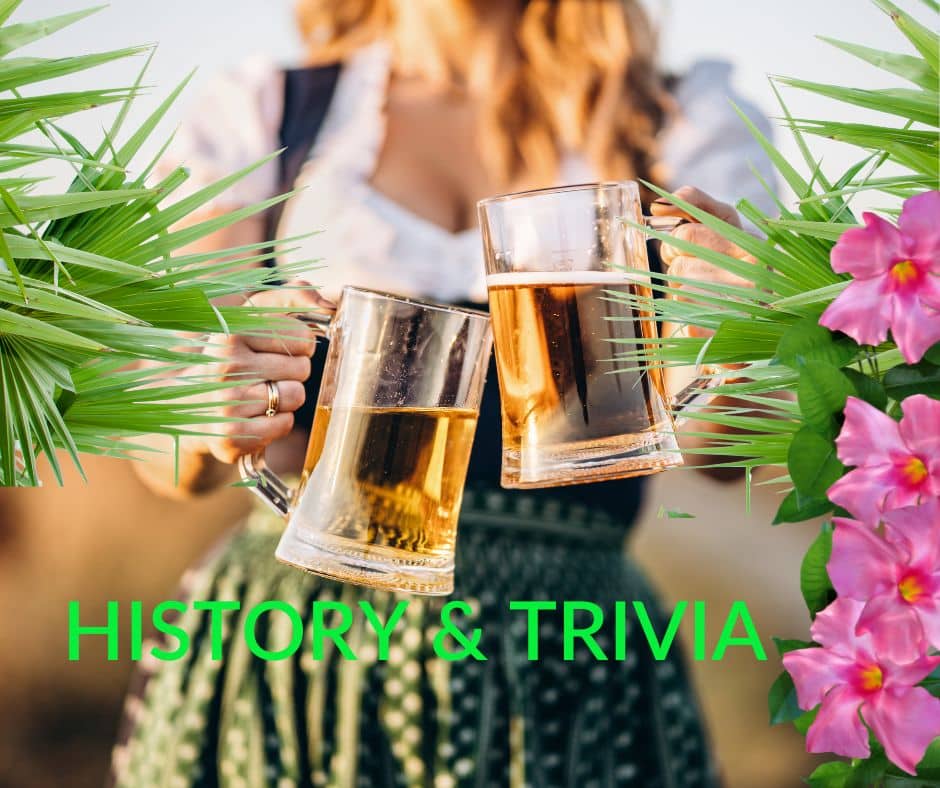
Oktoberfest originated as a royal wedding celebration on October 12, 1810. It marked the marriage of Crown Prince Ludwig of Bavaria to Princess Therese of Saxon-Hildburghausen. The festivities were held in an open field outside Munich, which was later named Theresienwiese (“Therese’s meadow”) in honor of the princess. The public was invited to join the celebrations, which lasted for five days and concluded with a horse race. This event was so successful that it was repeated the following year and evolved into an annual tradition.
Over the years, Oktoberfest transformed from a local wedding festival into the world’s largest folk festival, expanding from a few days to about 16-18 days starting in late September to take advantage of better weather. The original horse races gave way to an agricultural show, stand booths, amusement rides—including carousels and swings—and beer halls. By the late 19th century, booths had grown into large beer tents capable of seating thousands of people, and the event incorporated parades, music, and traditional Bavarian attire such as lederhosen and dirndls.
At an Oktoberfest event today, you can expect a lively, carnival-like atmosphere with massive beer tents where you can drink traditional Bavarian beers brewed by Munich’s historic breweries. Each brewery erects its large tent with seating for thousands. The festival also features a variety of traditional foods such as grilled chicken (Wiesn-Hendl), pretzels, sausages, and desserts. In addition to the beer tents, there are numerous rides, games, and family-friendly activities spread throughout the fairgrounds. Entertainment includes traditional Bavarian music, folk dancing, parades, and sometimes even shooting events. The official start is marked by the mayor tapping the first keg and declaring “O’Zapft Is!” (“It’s tapped!”).
Visitors are often dressed in traditional Bavarian clothing—men in lederhosen and women in dirndls—which adds to the festive and authentic experience. The festival creates a sense of gemütlichkeit, a cozy and sociable atmosphere that welcomes locals and tourists alike to celebrate Bavarian culture, food, music, and of course, beer.
This grand celebration offers a blend of historic tradition, communal joy, and spirited revelry that has made it a beloved annual event, attracting millions worldwide
Former Navy Journalist, published author and international speaker. Howler executive since 2019.