

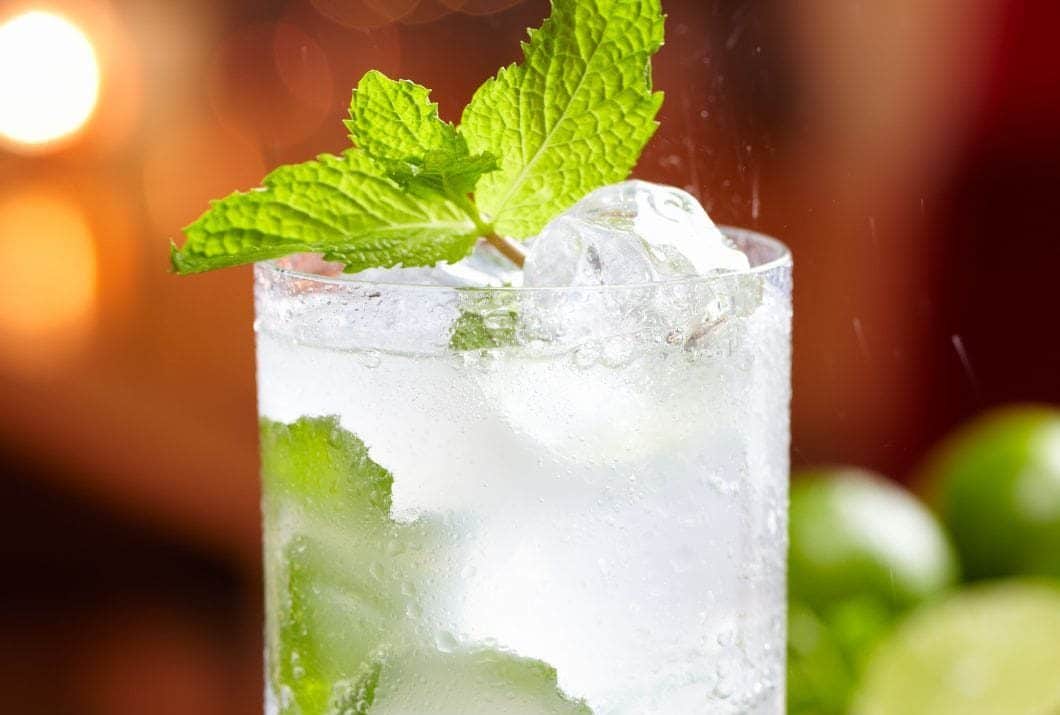
The Mojito is indeed a classic beach cocktail, celebrated for its refreshing qualities and unique flavor profile. Its history and evolution have made it a favorite worldwide, particularly in tropical settings.
Origin of the Mojito
The Mojito traces its origins to Cuba, specifically to the vibrant capital city of Havana. While the exact genesis of the drink is somewhat blurred by time, it is widely believed to have started as a medicinal concoction. Local indigenous peoples originally created a similar drink using aguardiente (a crude form of rum), sugar, lime, and mint for its purported health benefits.
The transformation into the modern Mojito began when aguardiente was replaced by rum, which was becoming a refined product in the 19th century thanks to improvements in distillation techniques. The name “Mojito” stems from the African word “mojo,” which means to place a little spell. This name was apt for a drink that quickly became popular for its enchanting effects.
Classic Mojito Recipe
The traditional Mojito recipe is a simple yet perfect blend of five key ingredients:
– White rum: Typically a light, crisp rum that doesn’t overpower the fresh flavors of the other ingredients.
– Sugar: Originally sugar cane juice was used, but most modern recipes use simple syrup or granulated sugar.
– Lime: Fresh lime juice is essential for adding a tangy freshness that balances the sweetness.
– Mint: Spearmint, or “yerbabuena” as it’s known in Cuba, is preferred for its mild yet aromatic flavor.
– Soda water: Adds a refreshing fizz to the cocktail, lightening the drink.
The ingredients are gently muddled together, usually in the glass in which the drink is served, to release the oils of the mint leaves without shredding them. This method helps maintain the herbal freshness while avoiding bitterness.
Variations
Over the years, numerous variations of the Mojito have surfaced as bartenders and enthusiasts experiment with the original formula:
– Fruit Mojitos: Incorporating fruits like strawberry, raspberry, or mango adds a sweet and tangy twist to the traditional recipe.
– Spiced Mojito: Some variations include the addition of spices such as ginger or cardamom for an aromatic kick.
– Dark Mojito: Swapping white rum for dark rum creates a deeper, more molasses-heavy profile.
Each variation offers a new way to experience the Mojito, while the classic version remains a beloved staple, especially in its homeland of Cuba and among beachgoers worldwide. The Mojito’s blend of sweetness, citrus, and mint flavors is indeed the perfect companion for a sunny day by the sea. Whether enjoyed in its classic form or through one of its many adaptations, the Mojito remains a timeless choice for cocktail lovers.