
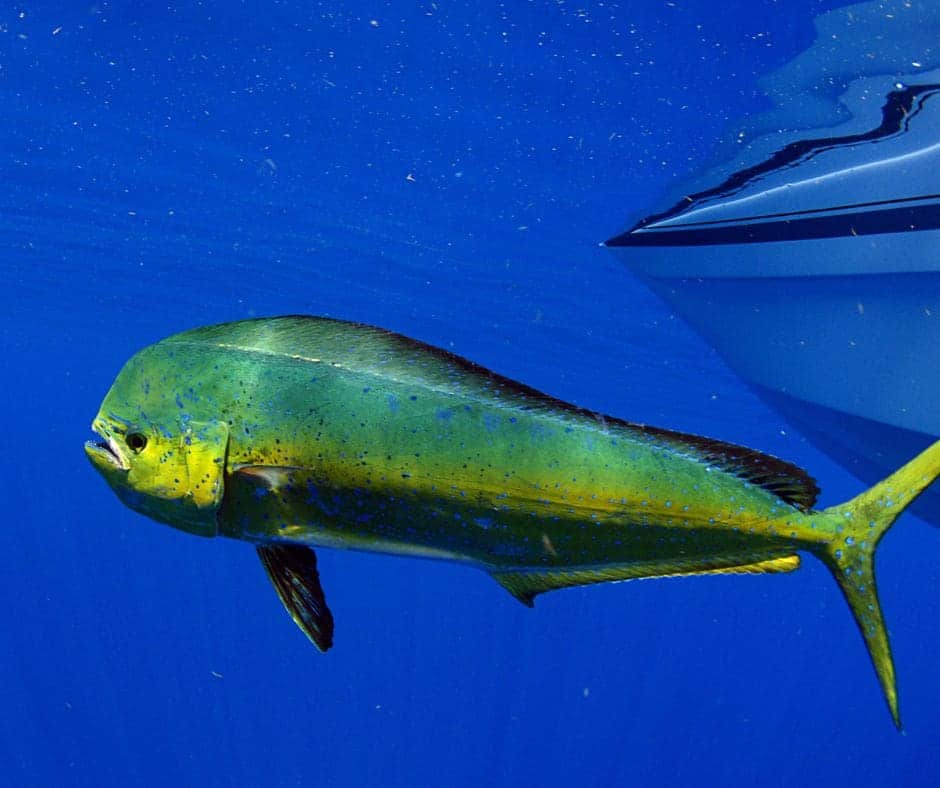
Mahi Mahi, known for its vibrant colors and remarkable fighting spirit, is a prized catch among anglers and a popular delicacy in many cuisines. Off the coast of Costa Rica, these fish, also known as Dorado or Dolphin Fish, offer an exciting fishing experience.
Mahi Mahi: A Closer Look
Mahi Mahi are recognized for their dazzling colors – golden on the sides, and bright blues and greens on the sides and back. The fish are most known for their rapid growth and short life span, rarely living longer than five years. They can reach up to 30-40 pounds, but the average catch is usually around 20 pounds.
Migration and Seasonality in Costa Rica
In Costa Rican waters, Mahi Mahi is not a permanent resident. These fish are highly migratory, influenced by the water temperatures and currents. They are typically found in warmer waters with temperatures above 70°F.
The best time to catch Mahi Mahi in Costa Rica is usually from late May through September. This period aligns with the rainy season, where warmer waters and increased runoff create ideal conditions for these fish. However, it’s not uncommon to find them throughout the year due to Costa Rica’s unique marine ecosystem.
Fishing Techniques
Anglers targeting Mahi Mahi often use trolling methods with ballyhoo, squid, mackerel, or artificial lures. Once hooked, Mahi Mahi are known for their acrobatic jumps and vigorous fights, making them a thrilling catch.
Conservation and Sustainability
While Mahi Mahi is abundant, responsible fishing practices are essential for sustainability. Costa Rica, known for its commitment to environmental preservation, has regulations in place to ensure the health of its marine life. Anglers are encouraged to practice catch and release, especially for smaller and juvenile fish.
A Culinary Delight
Aside from the sport, Mahi Mahi is a culinary treasure. Its firm, white flesh and mild flavor make it a favorite in both local and international cuisines. In Costa Rica, it’s often served grilled, blackened, or in ceviche.
For anglers and seafood enthusiasts alike, Mahi Mahi represents a blend of sport, beauty, and taste. Costa Rica, with its rich marine biodiversity, offers an exceptional opportunity to experience this magnificent fish both on the line and on the plate. Remember to respect the seasonal patterns and engage in sustainable fishing practices to ensure these vibrant creatures continue to thrive in Costa Rican waters.
—
For more engaging stories and insights about Costa Rica, follow us with the hashtags #howlermag and #howlermagazine. Stay updated on the wonders that this vibrant country has to offer, from its unique wildlife to its thrilling outdoor adventures.