

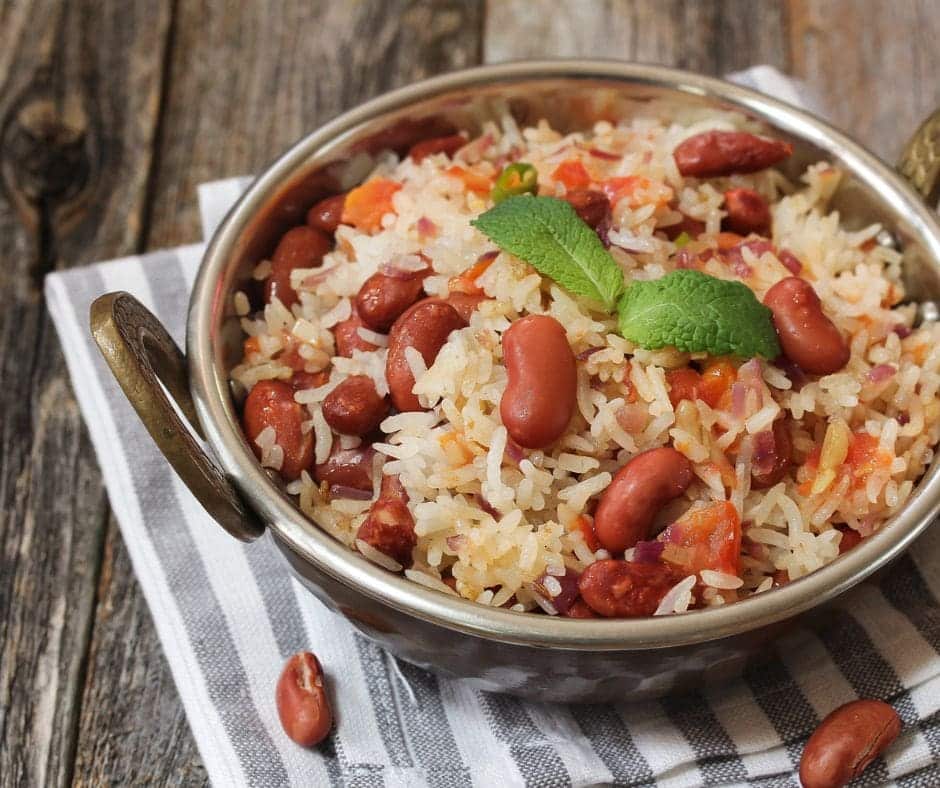
Rice and beans, a humble yet iconic duo in Latin American cuisine, tell a story of cultural fusion, survival, and tradition. This dish, integral to the daily lives of millions, is a culinary symbol of the rich and complex history of Latin America.
Historical Roots and Evolution
- Pre-Columbian Era: Before European contact, indigenous peoples in Latin America cultivated a variety of beans, an essential protein source. Beans were often paired with maize, another cornerstone of their diet.
- European Influence: The introduction of rice by Spanish and Portuguese colonizers in the 15th and 16th centuries marked a significant turning point. Rice, originally from Asia, thrived in the Latin American climate, gradually becoming a staple. This was the start of the rice and beans combination as we know it today.
- African Influence: The transatlantic slave trade brought Africans to Latin America, who significantly influenced the cuisine. Africans introduced new cooking techniques and flavors, further enriching the rice and beans tradition. In countries like Brazil and Cuba, African culinary influences are particularly pronounced.
Regional Variations and Significance
Each Latin American country has its unique version of rice and beans, reflecting its specific history and cultural influences:
Costa Rica and Nicaragua: “Gallo Pinto,” a national dish, symbolizes the blend of indigenous and Spanish influences. It’s a staple for breakfast, reflecting the agrarian lifestyles of early inhabitants.
Cuba: “Moros y Cristianos” (Moors and Christians) is not just a dish but a historical reference to the Islamic Moors and Christian Spaniards, mirroring Cuba’s complex colonial past.
Mexico: Here, beans hold more prominence than rice. The Mexican rice and beans are often spicier, reflecting the indigenous and Spanish penchant for flavorful foods.
Brazil: “Feijoada,” a bean stew with pork, is a culinary representation of Brazil’s multicultural society, combining indigenous, African, and Portuguese flavors.
Caribbean: The Caribbean version, often served with plantains, showcases the region’s tropical agriculture and African culinary techniques.
Nutritional and Social Impact
Nutritionally, rice and beans are a perfect pair, providing complete proteins and essential nutrients. This has made them a vital food source, especially in times of economic hardship. Socially, they represent a unifying element across different classes and ethnicities.
Modern Day and Cultural Identity
Today, rice and beans continue to be a fundamental part of Latin American cuisine, embodying the region’s history and cultural diversity. These dishes have transcended borders, becoming globally recognized and appreciated.