

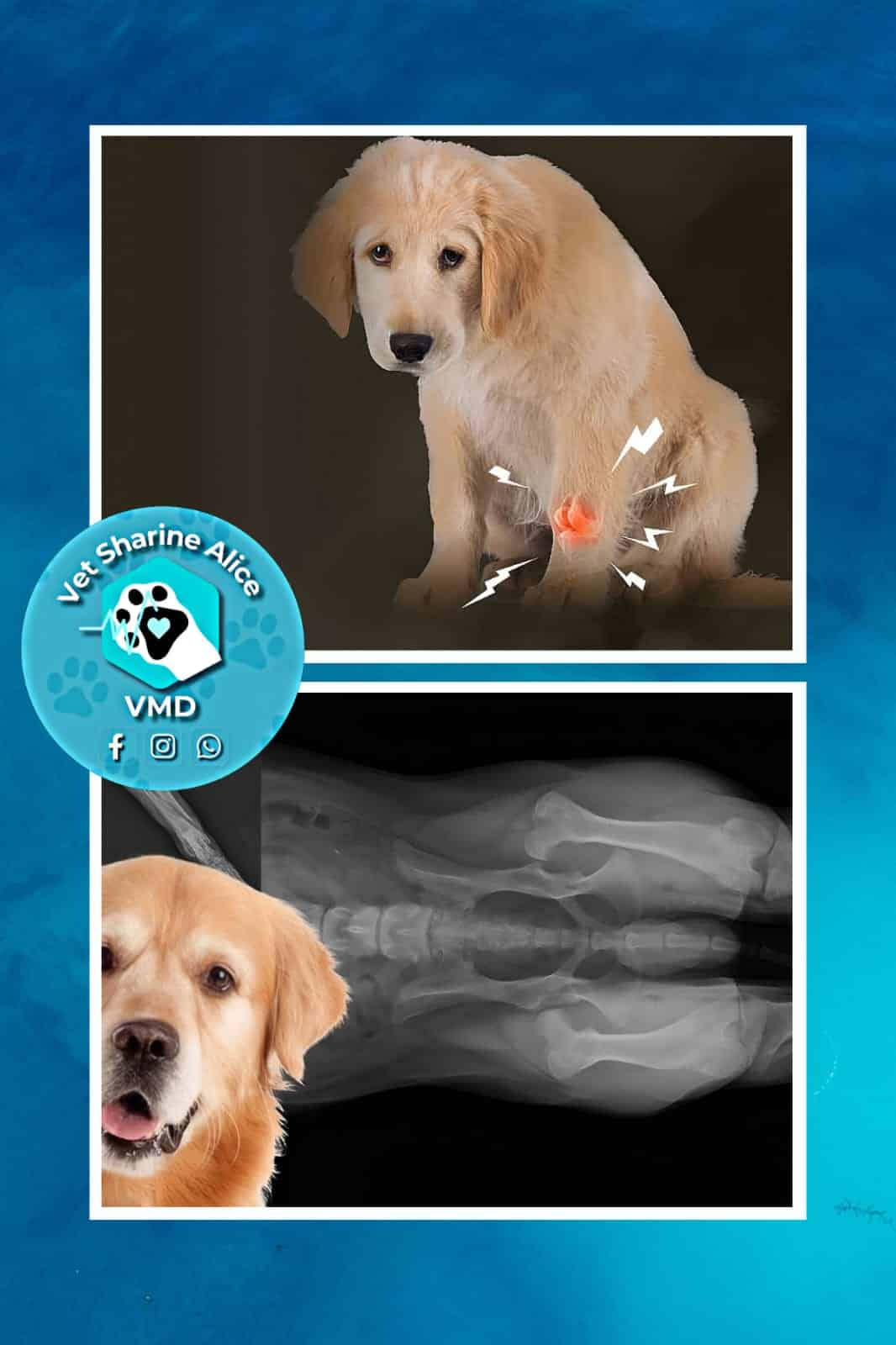
Joint problems such as arthritis and osteoarthritis are common in dogs, especially in seniors and large breeds. These conditions can cause pain, stiffness, and reduced mobility, often leading to a decline in a dog’s overall quality of life. The good news is that early detection and proper care can make a meaningful difference.
Recognizing the Signs
▫Dogs are good at hiding discomfort, but some key signs may indicate joint issues:
▫Limping or stiffness, especially after rest
▫Reluctance to walk, jump, or climb stairs
▫Difficulty getting up or lying down
▫Swollen or tender joints
▫Less interest in play or exercise
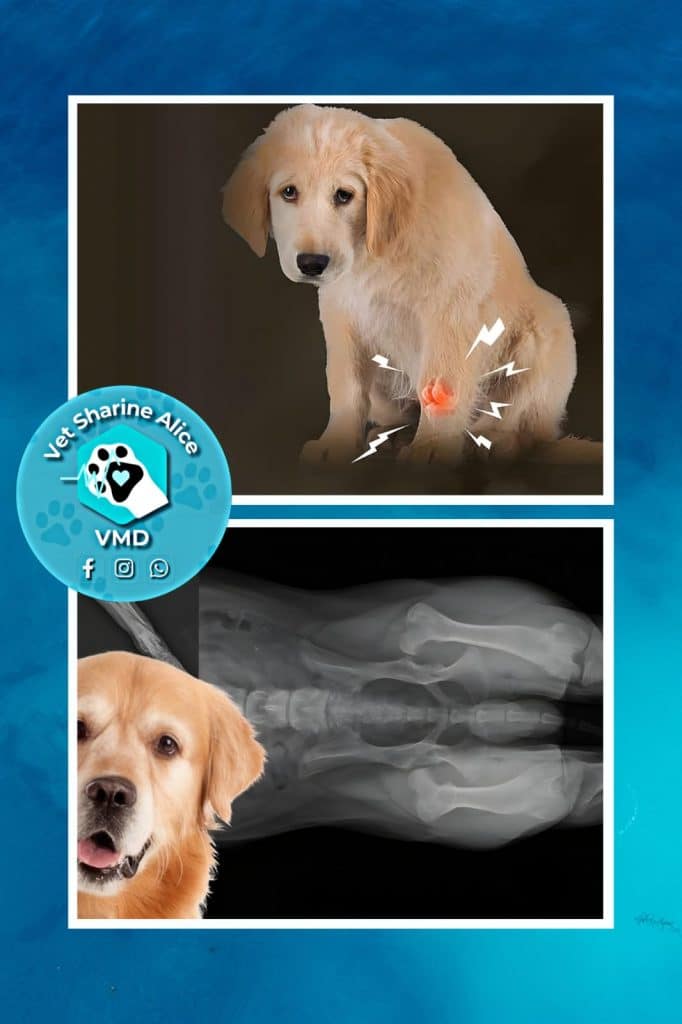
If your dog shows any of these symptoms, a veterinary consultation is essential.
Why Veterinary Diagnosis Matters
A veterinarian will assess your dog’s joint health through physical exams and, if needed, X-rays or lab tests. Identifying the exact cause — whether it’s degenerative (like osteoarthritis) or inflammatory (like immune-mediated arthritis) — is crucial for effective treatment.
Treatment and Management
▫Managing joint problems usually involves a multi-faceted approach:
▫Weight control: Extra weight stresses the joints. A healthy diet tailored to your dog’s needs is key.
▫Moderate exercise: Short, regular walks or swimming help maintain mobility without overloading the joints.
▫Medication: Vets may prescribe anti-inflammatory drugs (NSAIDs) or pain relievers to reduce discomfort.
▫Joint supplements: Products with glucosamine, chondroitin, and omega-3 fatty acids may support cartilage health.
▫Home adjustments: Orthopedic beds, ramps, and non-slip flooring can make daily life easier and safer.
In advanced cases, surgical options may be discussed to restore joint function.
My Final Thoughts:
Joint issues don’t have to mean the end of an active life for your dog. With veterinary guidance, proper care, and small changes at home, many dogs continue to enjoy a good quality of life. If you notice signs of stiffness or discomfort, early action can prevent further deterioration and improve your dog’s comfort and mobility.
By Dr. Sharine Alice, VMD (CMVCR1117), Playa Hermosa, Guanacaste
Dr. Sharine Alice VMD, CMVCR1117
Playa Hermosa, Guanacaste
WhatsApp: (506) 8307-8400