
Ensuring that the bikini or clothing you buy is genuinely made in Costa Rica can be tricky because many tourist shops sell imported or relabeled items. In fact, some sellers have been known to replace original tags with “Made in Costa Rica” labels, so a little verification helps avoid fakes.
Here are the most reliable ways to check authenticity:

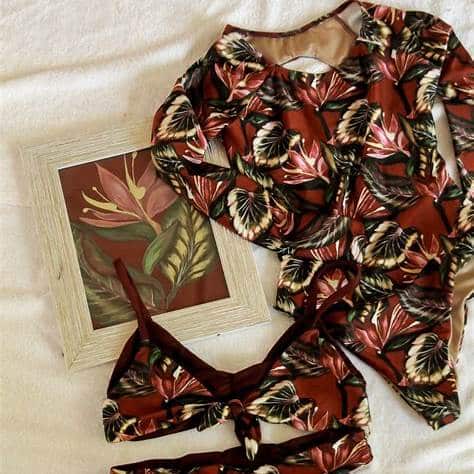
“Hecho en Costa Rica: shopping for authentic local fashion means looking beyond the label and finding the story behind the maker.”
1. Check the Label Carefully
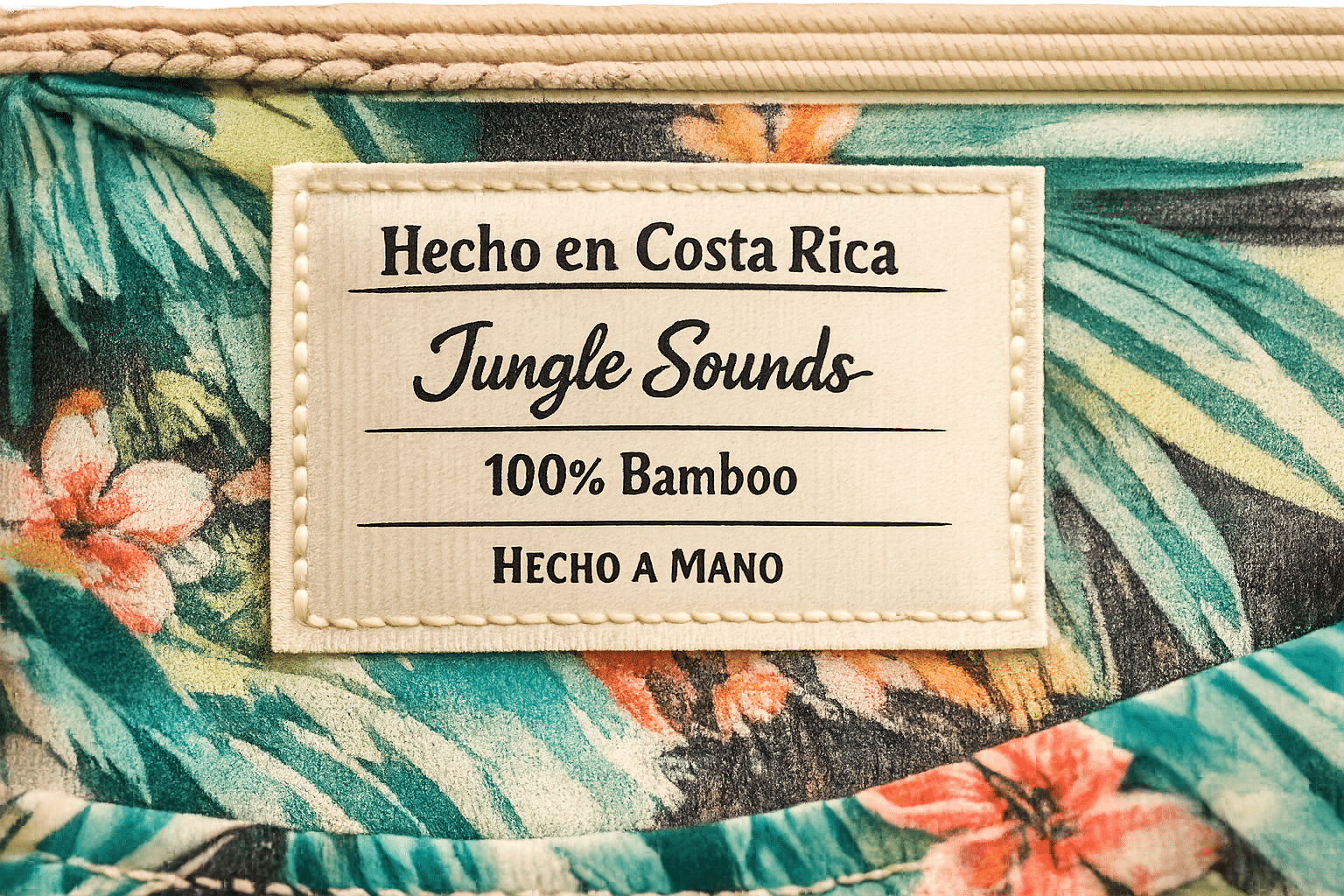
Look for a permanent sewn-in label with:
- “Made in Costa Rica / Hecho en Costa Rica”
- The manufacturer or brand name
- Material information (e.g., nylon, polyester)
- Sometimes the manufacturer’s address
Authentic brands usually include a brand identity or company information, not just a generic “Made in Costa Rica” tag.
Warning sign:
If the tag looks recently stitched, crooked, or generic with no brand name, it could have been replaced.
2. Ask the Seller Specific Questions
Legitimate local sellers will easily answer questions like:
- Where in Costa Rica is it made?
- Is it handmade or locally manufactured?
- Who designs or produces it?
If they cannot name the workshop, town, or brand, it may be imported.
3. Look for Local Artisan or Authenticity Seals
Some locally made products carry the “Sello Costa Rica Artesanal” (Costa Rican Artisan Seal). This recognition is given to artisans whose work reflects local culture and craftsmanship and is evaluated by experts for authenticity and quality.
While more common on crafts, some textile or handmade items may carry similar recognition.
4. Buy From the Right Places
To increase your chances of buying authentic items:
Best places
- Artisan markets
- Local designer boutiques
- Cooperative shops run by artisans
- Beach towns with local surf or swimwear designers
More risky places
- Airport souvenir shops
- Large tourist gift stores
- Street stands selling many identical items
Mass-produced imports are common in these locations.
5. Look for Signs of Local Production
Authentic Costa Rican swimwear or clothing often shows:
- Unique tropical prints
- Handmade or small-batch production
- Higher quality stitching and fabric
- Eco-friendly materials (many Costa Rican brands emphasize sustainability)
 Quick rule of thumb:
If the seller can tell you who made it, where in Costa Rica it was made, and the brand, it’s usually authentic.
Former Navy Journalist, published author and international speaker. Howler executive since 2019.