
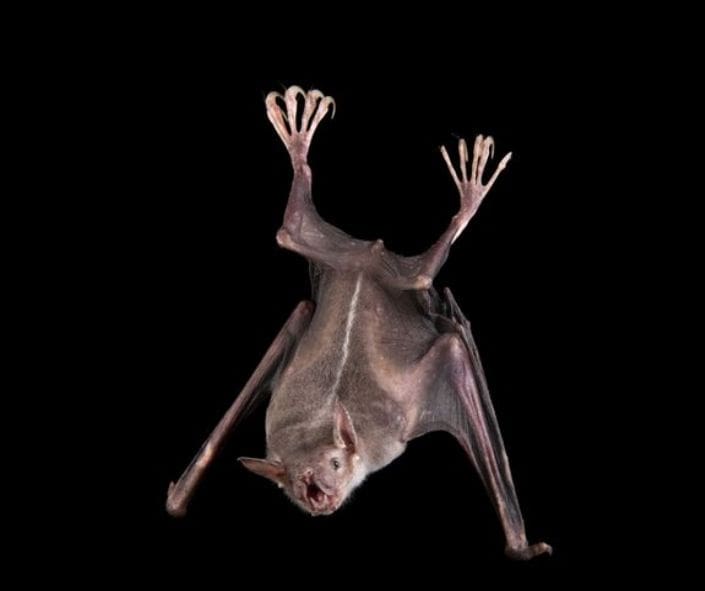
The Greater Bulldog Bat, a creature that seems to leap straight out of a nature enthusiast’s fantasy, is one of Costa Rica’s most intriguing and yet often overlooked inhabitants. Known scientifically as Noctilio leporinus, this species is distinguished by its sizable build and a wingspan that can reach up to 70 cm, making it one of the largest bats found in the Americas. This nocturnal mammal, with its unique ecological roles and fascinating dietary habits, captures the imagination of those lucky enough to encounter it. In this exploration, we delve into the contributions of the Greater Bulldog Bat to Costa Rica’s ecosystems, its specific dietary preferences, and where enthusiasts can hope to catch a glimpse of these remarkable creatures in their natural habitat.
The Environmental Role of the Greater Bulldog Bat
The Greater Bulldog Bat plays a pivotal role in maintaining the balance of its ecosystem. Primarily, it acts as a natural pest control agent. By consuming vast amounts of insects, some of which are considered pests to local agriculture, these bats contribute significantly to controlling insect populations, thus benefiting farmers and reducing the need for chemical pesticides. Additionally, while the Bulldog Bat is primarily insectivorous, it also partakes in fish and crustaceans, which helps in the regulation of aquatic populations, ensuring a balanced ecosystem.
Beyond pest control, the Greater Bulldog Bat participates in seed dispersal and pollination. Although not their primary role, their interaction with various plants during their feeding and roosting activities indirectly aids in the spread of seeds, fostering a rich and diverse plant life which is crucial for a healthy ecosystem.
The Diet of the Greater Bulldog Bat
The diet of the Greater Bulldog Bat is fascinatingly specialized and is a marvel of evolutionary adaptation. Unlike many of their kin, these bats are piscivores, meaning fish make up a significant portion of their diet. They employ an extraordinary hunting technique: echolocation coupled with skim-feeding. Flying low over bodies of water, they use their sonar-like echolocation to detect ripples caused by fish just below the surface. Once prey is detected, they scoop up their meal using their sharp, elongated claws. This method of feeding not only showcases their incredible agility and precision but also highlights their importance in controlling fish populations, contributing to the health of aquatic ecosystems.
In addition to fish, their diet includes insects and occasionally crustaceans, which they capture in a similar manner. This dietary diversity makes them vital players in their habitats, impacting several levels of the food web.
Where to See the Greater Bulldog Bat in Costa Rica
For those eager to observe these intriguing animals, Costa Rica offers numerous opportunities due to its abundant water bodies and preserved natural areas. The best time to see the Greater Bulldog Bat is at dusk or dawn when they are most active. Areas around rivers, lakes, and wetlands are ideal, especially in regions such as Tortuguero, the canals and waterways of which provide perfect hunting grounds for these bats. The Gandoca-Manzanillo Wildlife Refuge and the area around the Sarapiquí River are also notable for bat sightings, offering not just a chance to see the Greater Bulldog Bat but also to appreciate the rich biodiversity of Costa Rica’s aquatic ecosystems.
The Greater Bulldog Bat is more than just another bat species; it is a key contributor to Costa Rica’s environmental health and diversity. Its unique diet and hunting methods underscore the complexity of ecosystems and the importance of each species within them. For nature lovers and eco-tourists, the chance to see these bats in action is a reminder of the intricate and interconnected web of life that thrives in Costa Rica’s lush landscapes. As we continue to explore and understand the roles of such species, we are reminded of the importance of conservation and the need to protect these habitats for future generations to marvel at and learn from.
Follow the flight of the Greater Bulldog Bat and immerse yourself in the natural wonders of Costa Rica. Share your experiences with us using #howlermag and #howlermagazine, and join the conversation about conservation and the incredible biodiversity that Costa Rica has to offer.