
Dressing for Adventure: The Best Attire for Deep Sea Fishing
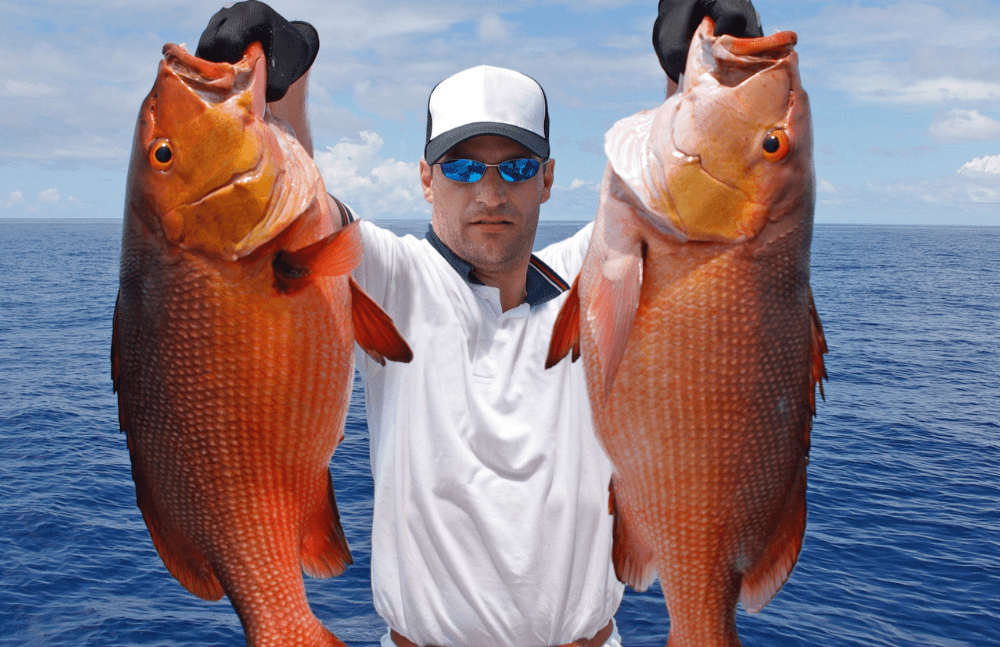
Deep sea fishing is a thrilling and adventurous activity that requires proper clothing to ensure comfort and safety. When embarking on a deep sea fishing trip, it is crucial to choose the best clothes that are suitable for the harsh and unpredictable maritime environment. The ideal attire for deep sea fishing includes a fishing hat, sunglasses, a fishing shirt, long pants and waterproof shoes.
NOTICE: You are closer to the equator in Costa Rica. The wind also plays a part in the challenges. The last thing you want is a scorching sunburn from your experience.
First and foremost, wearing a fishing hat is essential for protecting oneself from the scorching sun. The hat should have a wide brim to shield the face and neck from harmful UV rays. Additionally, a hat that is made from lightweight and breathable material, such as nylon or polyester, is ideal to keep the head cool and prevent excessive sweating.
Moreover, sunglasses are vital for deep-sea fishing as they protect the eyes from the intense glare of the sun on the water’s surface. Polarized sunglasses are particularly recommended as they reduce reflected light and allow for better visibility on the water. Opting for sunglasses with UV protection is also crucial for shielding the eyes from harmful rays and preventing long-term damage.
When it comes to choosing the perfect fishing shirt, opt for long sleeves made from quick-drying material, such as synthetic or moisture-wicking fabric. These materials help to regulate body temperature by wicking away sweat and drying quickly. Additionally, a fishing shirt with vents or mesh panels is ideal for providing better airflow on hot and humid days. Furthermore, selecting a shirt with UPF (Ultraviolet Protection Factor) ratings is crucial to protect the skin from harmful UV rays.
Long pants are a must when going deep-sea fishing, as they provide protection against the harsh marine elements. Lightweight and quick-drying pants made from nylon or polyester are perfect for this activity. These materials repel water and allow for quick drying, preventing discomfort and chafing. Additionally, long pants provide an extra layer of protection against potential scratches from fishing equipment and sea creatures.
Lastly, waterproof shoes are indispensable for deep-sea fishing, as they protect the feet from getting wet and slippery. Opting for fishing shoes made from neoprene or rubber is highly recommended, as they are water-resistant and provide excellent traction on slippery decks. These shoes also offer protection against potential injuries from sharp objects and fish spines.
Selecting the best attire for deep-sea fishing is crucial to ensure comfort and safety. By wearing the appropriate clothing, the aspiring deep-sea fisherman or fisherwoman can fully enjoy the thrill and adventure of deep-sea fishing while staying comfortable and safe.
List of items for deep sea fishing:
- Sunscreen
- Sunglasses and Hat
- Waterproof clothing
- Sea sickness cure
- Non-skid footwear
- Rain jacket (if rainy season)
- Food and Drinks
Your charter will provide details for your trip.