

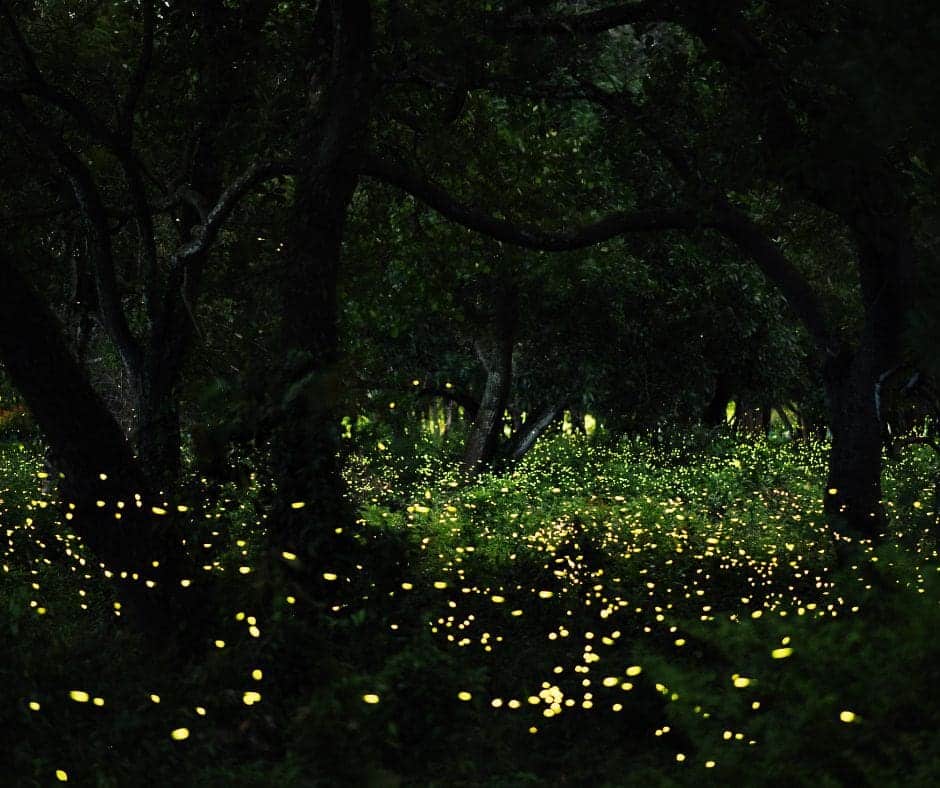
Fireflies, often evoking a sense of wonder and nostalgia, are more than just enchanting creatures of the night. These luminous insects, belonging to the family Lampyridae, are celebrated for their mesmerizing light shows during twilight hours. But what makes them truly fascinating extends beyond their glow.
At the heart of a firefly’s allure is bioluminescence, a unique biological phenomenon. This glow, a result of a chemical reaction involving luciferin, oxygen, and the enzyme luciferase in their abdomen, serves multiple purposes. Predominantly, it’s a mating ritual, with patterns varying by species to attract suitable partners. This light is also a defense mechanism, signaling their unpalatable taste to potential predators.
The contribution of fireflies to the environment is noteworthy. As larvae, they are voracious predators, feasting on snails, slugs, and other small insects, thereby balancing ecosystems. Their presence is also an indicator of a healthy environment, as they thrive in pollution-free habitats with a rich source of moisture and food.
What’s special about these luminaries is their adaptability to various climates, although they favor warm, humid environments. Tropical regions like Costa Rica are ideal for fireflies, but they are also found in temperate zones. The synchronous fireflies, famous in certain parts of the world, offer a spectacular display, flashing in unison – a rhythmic dance that captivates onlookers.
In a world where natural wonders are increasingly eclipsed by urban sprawl, fireflies remind us of the magic that nature holds. Their dwindling numbers in some regions, often due to habitat loss, pollution, and light pollution, emphasize the need for conservation efforts.
Fireflies are not just twinkling specks in the night sky; they are vital players in our ecosystems, indicators of environmental health, and a source of simple, pure joy. Next time you see these glittering insects, take a moment to appreciate the complex biology and important role they play in our world. #howlermag #howlermagazine