

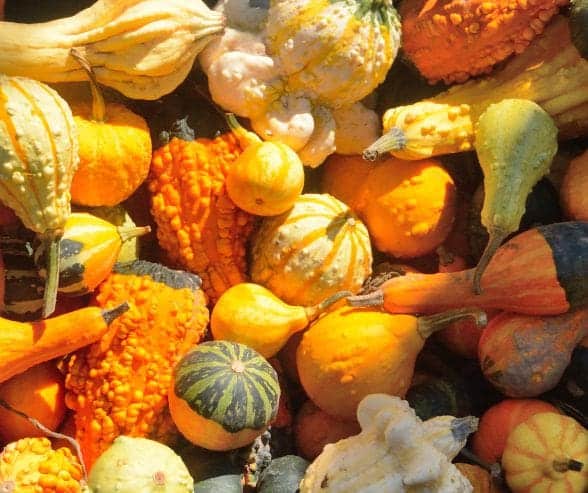
Exploring Squash and Pumpkins in Costa Rica: Varieties, Seasons, and Culinary Traditions
Costa Rica’s verdant environment, supported by rich volcanic soils and an ideal climate, serves as the perfect setting for cultivating a wide variety of squash and pumpkins. Integral to the local cuisine, these vegetables are celebrated not only for their flavor but also for their nutritional benefits. This guide delves into the different types grown in Costa Rica, their growth cycles, and the traditional ways they are utilized in the kitchen.
Prominent Varieties of Squash and Pumpkins
- Ayote Saúco (Cucurbita moschata) – Resembling butternut squash, Ayote Saúco is cherished in Costa Rican kitchens for its sweet, moist, orange flesh. It is versatile in both savory dishes, like the traditional “Picadillo de Ayote,” a hash made with ground meat and spices, and sweet preparations such as flans and pies.
- Ayote (Cucurbita argyrosperma) – This squash is recognized by its tough, bumpy skin and large size, making it a rainy season staple. It stars in “Sopa de Ayote,” a comforting soup that features the squash simmered with local herbs and cream. Its flesh also excels in stews and can be baked and stuffed with a hearty filling of rice, beans, and vegetables.
- Calabaza (Cucurbita maxima) – Often called “pumpkin,” Calabaza is crucial for crafting the beloved “Sopa de Calabaza” (pumpkin soup). Its deep orange, sweet flesh is equally suitable for desserts. During holiday celebrations, it’s transformed into “Dulce de Calabaza,” a confection made by slow-cooking pumpkin with panela (unrefined cane sugar) and spices.
- Chiverre (Cucurbita ficifolia) – Chiverre is distinguished by its large, hard, light-green fruit and fibrous, white flesh. It’s essential for “Miel de Chiverre,” a traditional conserve made during Semana Santa (Holy Week). The flesh is cooked with sugar and spices until it reaches a jam-like consistency, used to fill pastries or served as a spread.
Growing Seasons
Squash and pumpkins primarily flourish during Costa Rica’s rainy season from May to November. This period provides the essential moisture they need to grow. Thanks to the diverse microclimates across the country, some areas can support these crops throughout the year.
Culinary Uses and Preparation
Squash and pumpkins are incredibly adaptable in the kitchen, featuring in a range of traditional Costa Rican recipes:
– Soups and Stews: These vegetables are foundational in many hearty, warming dishes. For example, Calabaza chunks are slow-cooked in flavorful broths to create nourishing soups ideal for cooler evenings.
– Desserts and Sweets: Their natural sweetness makes them perfect for desserts. Ayote Saúco is often used in custards and pies, providing a rich, velvety texture.
– Conserves and Jams: The traditional preparation of Chiverre as a conserve showcases its unique texture and flavor, making it a versatile component in various sweets.
Simple and Popular Recipe: Calabaza Soup
Ingredients:
– 1 medium Calabaza (pumpkin), peeled and cubed
– 1 large onion, chopped
– 2 cloves of garlic, minced
– 1 liter of vegetable or chicken broth
– 1 cup of coconut milk
– Salt and pepper to taste
– Fresh cilantro for garnish
Instructions:
- In a large pot, sauté onion and garlic until translucent.
- Add the cubed Calabaza and cook for a few minutes to enhance its flavor.
- Pour in the broth and bring to a boil. Reduce heat and simmer until the Calabaza is tender, about 20 minutes.
- Using an immersion blender, puree the soup directly in the pot until smooth.
- Stir in coconut milk and season with salt and pepper.
- Serve hot, garnished with fresh cilantro.
This Calabaza soup is a comforting, nutritious dish that showcases the natural sweetness and creamy texture of Costa Rican pumpkins.
The diverse varieties of squash and pumpkins in Costa Rica not only enrich the local cuisine but also reflect the country’s agricultural abundance and culinary innovation. Each type adds distinctive flavors and textures to dishes, making them beloved elements of the Costa Rican diet.