

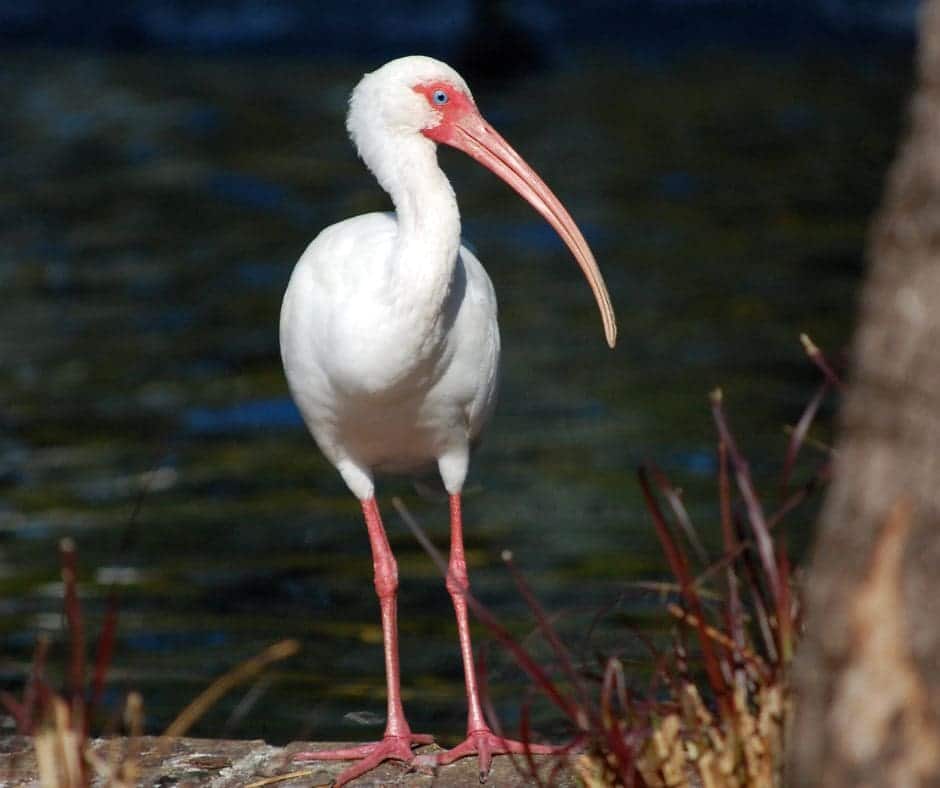
Nestled within Costa Rica’s diverse wildlife, the White Ibis stands out as a distinctive bird, adorning the country’s wetlands and coasts with its striking presence. This article delves into the intriguing world of the White Ibis, exploring their migration patterns, conservation status, and the best spots in Costa Rica to observe these fascinating birds, along with some captivating facts.
Migration Patterns: Local Wanderers
In Costa Rica, the White Ibis is a familiar sight, but do they migrate? The answer lies in their adaptable nature. While they are not known for long-distance migrations like some other bird species, White Ibises in Costa Rica do exhibit local migratory behaviors. These movements are mainly in response to changing water levels and food availability. During the wet season, they are often seen moving towards inland waterways and marshes, while the dry season sees a shift towards coastal areas where food is more plentiful.
Conservation Status: A Comforting Scenario
The White Ibis in Costa Rica, much like their counterparts in other regions, are currently not classified as endangered. They fall under the ‘Least Concern’ category according to the International Union for Conservation of Nature (IUCN). This status is a reflection of their stable population numbers and wide distribution. However, it’s important to remain vigilant about environmental changes and habitat destruction that could impact their numbers in the future.
Where to Spot the White Ibis in Costa Rica
For bird enthusiasts and nature lovers, Costa Rica offers several prime locations to observe the White Ibis in its natural habitat:
- Palo Verde National Park: Renowned for its wetlands, this park is a hotspot for birdwatching, where White Ibises are often seen in abundance.
- Caño Negro Wildlife Refuge: A haven for various bird species, including the White Ibis, this refuge offers a unique opportunity to observe these birds, especially during boat tours.
- Tárcoles River: The mangrove swamps along this river are ideal for spotting White Ibises, often seen foraging in the mudflats.
- Gulf of Nicoya: The estuaries and coastal areas around the Gulf are excellent for observing White Ibises, particularly during low tide when they feed.
Intriguing Aspects of the White Ibis
Unique Foraging Technique: The White Ibis is known for its distinctive foraging method, using its long, curved bill to probe into mud and shallow water for crabs, fish, and insects.
Social Behavior: They are social birds, often found in large flocks, and are known to nest in colonies, sometimes alongside other wading birds.
Juvenile Plumage: Young White Ibises sport a brown and white plumage, which gradually transitions to the all-white feathers seen in adults.
Cultural Significance: In some cultures, the White Ibis is revered as a symbol of communication and determination.
The White Ibis in Costa Rica is a remarkable bird, offering a glimpse into the rich biodiversity of this beautiful country. Their presence in the wetlands and coastal regions is not just a treat for birdwatchers but also a reminder of the ecological treasures Costa Rica holds.
—
Discover more fascinating stories about Costa Rica’s wildlife and stay updated with #howlermag and #howlermagazine. Visit (www.howlermag.com) for engaging insights into Costa Rica’s natural wonders and wildlife.