
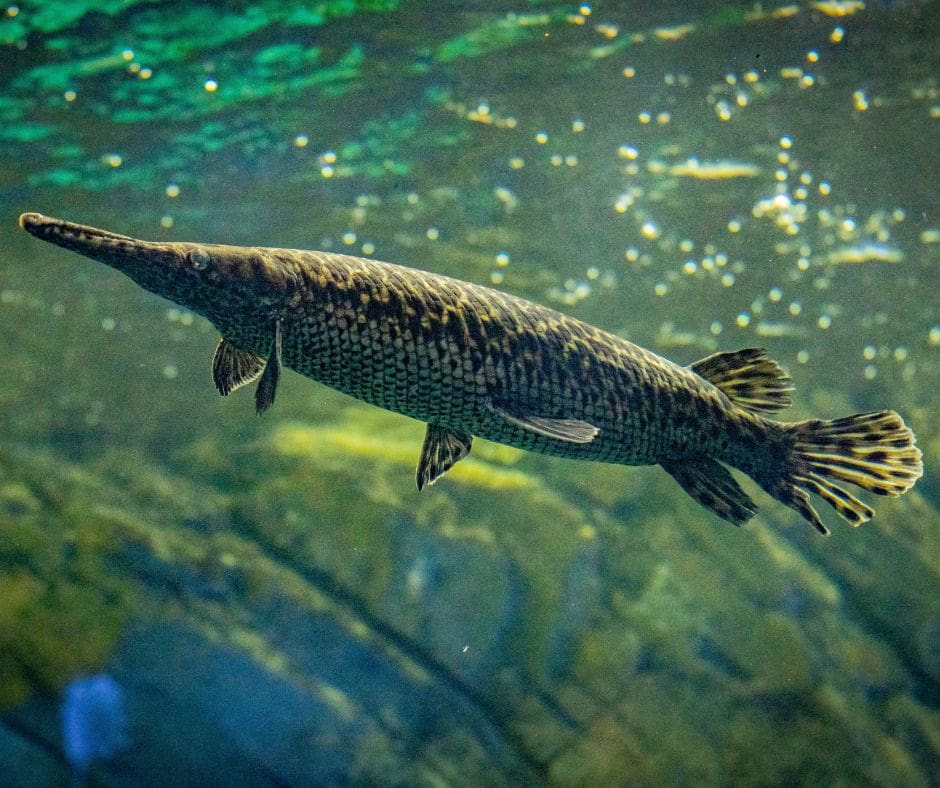
Tropical gar, an intriguing and vital species in aquatic ecosystems, is a fascinating topic, especially for those interested in Costa Rica’s diverse wildlife. These prehistoric-looking fish are known for their long, slender bodies and distinctively elongated snouts. Not only are they a sight to behold, but they also play a crucial role in their habitats.
Where They Live
Tropical gar, scientifically known as Atractosteus tropicus, primarily inhabits the freshwater systems of Central America, including Costa Rica. They’re often found in slow-moving rivers, lakes, and lagoons, thriving in environments where vegetation is abundant. These areas provide both shelter and breeding grounds, making them ideal for the gar to flourish.
Diet and Hunting
As predators, tropical gars have a diet that primarily consists of smaller fish, crustaceans, and occasionally insects. Their unique method of hunting involves lying motionless, blending into the surroundings, and then striking swiftly when prey comes close. This ambush tactic, coupled with their sharp teeth and strong jaws, makes them effective hunters.
Contribution to the Ecosystem
The role of tropical gars in their ecosystems is multifaceted. They’re apex predators, which means they help maintain the balance of species in their habitat. By preying on smaller fish, they control the population levels, preventing any single species from dominating the environment.
Additionally, tropical gars are a source of food for other predators, including larger fish and birds. This positions them as an important link in the food chain. Their presence indicates a healthy, balanced aquatic ecosystem.
Conservation Status
While not currently listed as endangered, tropical gars face threats from habitat loss and pollution. The health of their populations is often a good indicator of the overall health of the water systems they inhabit. Conservation efforts focused on maintaining clean, healthy waterways are crucial for their survival.
In conclusion, tropical gars are not just fascinating creatures to observe but are also vital to the health and balance of their ecosystems. Protecting these ancient fish is essential for maintaining the biodiversity and natural beauty of places like Costa Rica.
Fun Fact
Did you know? The gar’s scales are so tough and durable that they were used by indigenous peoples for arrowheads and as a protective covering!
For more captivating insights about Costa Rica’s diverse wildlife and ecosystems, follow #howlermag and #howlermagazine for updates and fascinating articles.
JTNDaWZyYW1lJTIwd2lkdGglM0QlMjI1NjAlMjIlMjBoZWlnaHQlM0QlMjIzMTUlMjIlMjBzcmMlM0QlMjJodHRwcyUzQSUyRiUyRnd3dy55b3V0dWJlLmNvbSUyRmVtYmVkJTJGZWNvSER6dmFtY1ElM0ZzaSUzRGVlVHdTeFBjSE9tc3NOMVElMjIlMjB0aXRsZSUzRCUyMllvdVR1YmUlMjB2aWRlbyUyMHBsYXllciUyMiUyMGZyYW1lYm9yZGVyJTNEJTIyMCUyMiUyMGFsbG93JTNEJTIyYWNjZWxlcm9tZXRlciUzQiUyMGF1dG9wbGF5JTNCJTIwY2xpcGJvYXJkLXdyaXRlJTNCJTIwZW5jcnlwdGVkLW1lZGlhJTNCJTIwZ3lyb3Njb3BlJTNCJTIwcGljdHVyZS1pbi1waWN0dXJlJTNCJTIwd2ViLXNoYXJlJTIyJTIwYWxsb3dmdWxsc2NyZWVuJTNFJTNDJTJGaWZyYW1lJTNF
More related articles

Former Navy Journalist, published author and international speaker. Howler executive since 2019.