
A Citizen of the USA can land in a new country, thinking the hard part is over. Passport stamped. Bag collected. Plans made.
Then something changes.
The questions get colder. The tone gets sharper. “Why are you here?” stops sounding like a formality and starts sounding like a challenge. A routine interaction becomes a small interrogation. An officer wants extra documentation that was never requested before. A police stop that used to end with a warning now drags on. Someone in a uniform decides you are not a person, you are a symbol.
This is what many expats and frequent travellers are noticing right now. Not panic, exactly. More like a new kind of friction that follows Citizens of the USA across borders and into daily life.
Two forces feed that friction at the same time.
One is domestic. Travel data and immigration enforcement are increasingly intertwined, and ordinary movement is more likely to be treated as a lead. For mixed-status families, that can turn airports into pressure points.
The second is external and more combustible. Controversy around U.S. counterdrug actions at sea has added fuel to regional resentment, with lawmakers and legal experts disputing where enforcement ends and unlawful force begins. When that story spreads, it does not stay offshore. It shows up at immigration desks, roadside stops, and police stations.
Whether a Citizen of the USA supports these policies or condemns them, the consequence abroad can look similar. When political heat rises, other countries and local actors often respond the way they always have. If they cannot strike Washington, they squeeze what they can reach. Tourists. Expats. Business owners. Retirees. Families. Students. Citizens of the USA who are visible and reachable.
Retaliation rarely announces itself
Retaliation is usually not a dramatic headline. It is quiet pressure that ruins trips and reshapes lives.
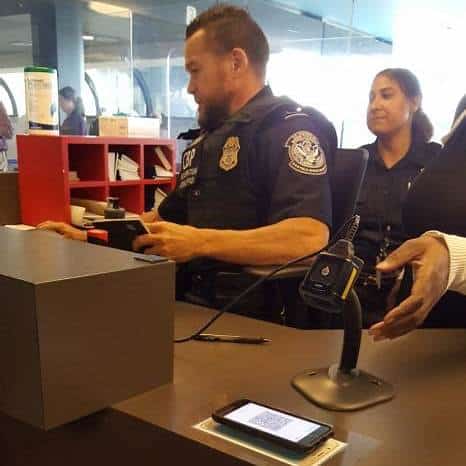
It looks like being funnelled into secondary screening for no clear reason. It looks like an officer who is not rude, just unmoving, repeating questions until minutes become hours. It looks like “system problems” that always seem to happen when your passport says United States.
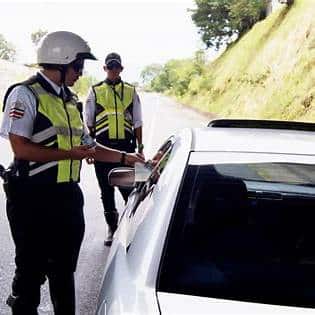
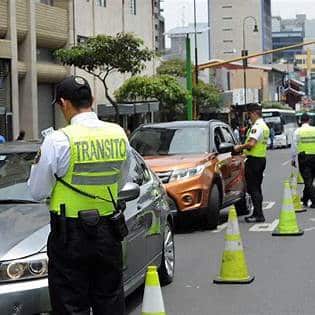
It looks like a traffic stop that becomes a fishing expedition. Where are you staying? Why are you here? Do you have cash? Who is in the car? It looks like vague references to a fine. It looks like time and stress are being used as leverage.
For expats, it often looks like bureaucracy. Residency renewals that used to be predictable become unpredictable. One more photocopy. One more signature. One more requirement that nobody mentioned last year. You can feel the system tightening even if nobody says it out loud.
This is how blowback lands, through small levers that are hard to challenge in the moment and exhausting to fight long term.
Why Citizens of the USA are a tempting target
There are three reasons Citizens of the USA can become the brunt of retaliation abroad.
First, Citizens of the USA are often assumed to have money, influence, or both. That makes them attractive to petty corruption and opportunistic enforcement.
Second, Citizens of the USA are easy to use as a message. A government under pressure can demonstrate toughness by hassling the foreign national who cannot vote locally and cannot easily fight back.
Third, the political storyline travels. When U.S. policy is seen as aggressive, countries and communities sometimes treat Citizens of the USA as the closest stand in for the whole United States.
It is not fair. It is also not rare.
Immigration blowback: the border becomes a stage
Immigration desks are where pressure can be applied with maximum deniability. There is always a reason available, even when the motive is political. Security. Documentation. Discretion. “Random selection.”
When the United States increases immigration enforcement, other states notice. They may respond directly, or they may harden their approach toward Citizens of the USA in the name of sovereignty and reciprocity. What used to be a normal entry experience can become an exercise in proving you belong in the visitor lane.
That pressure lands hardest on mixed status families. One person can be fine while a partner or relative is delayed, questioned, or denied boarding over a technicality. One person’s paperwork becomes a whole family’s crisis inside an airport.
For expats, immigration blowback can show up through residency systems. A country does not need to announce retaliation if it can apply every rule at maximum strictness, slow the file, demand repeated in-person visits, and drain time and money until you feel the message.
Police blowback: enforcement can become a revenue tool
Police interactions abroad vary widely. Many officers are professional, fair, and helpful. But when the political temperature rises, the worst versions of policing get more room to operate.
The pattern is predictable. Minor infractions turn into major hassles. Traffic stops become document checks. Document checks become searches. Searches become fines. Fines become suggestions.
Citizens of the USA are especially exposed because they often do not know local procedure well enough to push back. They may not speak the language fluently. They may be reluctant to escalate. They just want to get through the day.
That is why retaliation often is not written policy. It is a permission structure. It is a climate where petty abuse feels safer for the abuser.
Government blowback: wrongful detention is the nightmare, and it happens
At the far end of this spectrum is the scenario every traveller tries not to imagine. Wrongful detention. Political detention. Detention without meaningful due process.
This is the moment when a passport stops being protection and starts being a liability. If a government wants leverage, detaining a Citizen of the USA can be a brutal shortcut.
And this is where the broader context matters. When controversial actions are attributed to the United States, whether immigration crackdowns, sanctions, or disputed enforcement operations, resentment can harden into policy. Policy can turn into selective enforcement. Selective enforcement can turn into detention.
Nobody thinks it will happen to them until they are the person sitting in a room being told, “It will be sorted out later.”
The rule that saves trips: carry your travel documents
Here is the practical point that needs to be said plainly.
Citizens of the USA travelling abroad and Citizens of the USA living abroad should carry their essential travel documents with them.
Not “they are in the hotel room.” Not “I can bring them tomorrow.” Not “I have a photo somewhere.” In tense situations, that answer may not work. It can be read as evasive even when it is innocent. It can buy you extra time in a room you do not want to be in. It can turn a quick interaction into a longer one, simply because you cannot prove who you are and why you are there.
If you are stopped at a checkpoint, pulled over, questioned at a port, or challenged in a public space, the fastest path out is often the simplest one: documents presented calmly, immediately, and without drama.
A sensible approach for Citizens of the USA abroad is to carry:
A passport, or a secure copy if you are in a place where carrying the original feels risky, plus a clear photo of the ID page stored offline.
Proof of lawful status in the country if you are an expat, such as a residency card or the documentation you were issued during renewal.
Proof of entry, such as your entry stamp or the digital record you were given.
If you are driving, a valid driver’s licence and the documents tied to the vehicle, especially if it is a rental.
Emergency contact information, written down, not just in your phone.
This is not about living paranoid. It is about refusing to give bureaucracy and enforcement the easiest excuse to prolong the encounter.
How to travel smart without living scared
This era rewards preparation and punishes casual assumptions. If you are a Citizen of the USA abroad, treat these as non-negotiables.
Keep your paperwork tidy and redundant. Digital backups are useful, but do not rely on your battery or your signal. Carry what you can show, quickly.
Keep interactions boring. Calm voice. Short answers. No sarcasm. No filming officials. No arguing at the desk. Win the moment, not the debate.
Think about what your phone says about you. In some places, a device can be treated like a diary. Travel with what you can afford to have seen.
Avoid becoming the loud symbol. In heated moments, being right is less useful than being safe. You can have your opinions, but a border counter is not a courtroom.
If you are an expat, stay ahead of renewal cycles. Do not drift toward expiry. Bureaucracy is where pressure shows up first.
What it comes down to
Citizens of the USA abroad are caught in a simple reality. When the United States hardens enforcement at home and projects force abroad, backlash does not always land on policymakers. It lands on the most reachable representatives of the flag.
That can be the Citizen of the USA at an immigration counter, at a roadside stop, or standing in the wrong place at the wrong time when a government wants to make a point.
A passport can make international travel possible and smooth the way at borders, but it does not guarantee how you will be treated in every situation. In some places, your nationality can draw extra attention, especially during periods of political tension.
When you travel or live abroad as a resident expat, you are subject to the laws, procedures, and courts of the country you are in. The constitutional rights you have in the United States of America generally do not apply in the same way overseas, and legal protections can differ widely from what you expect at home. You still retain rights under the host country’s legal system, and you may be eligible to request consular assistance from the U.S. government; however, this assistance is limited and does not supersede local authority.
A visa, if one is required, is also not a guarantee of entry or continued permission to stay. Visa issuance and admission decisions are made under the host country’s rules and discretion, and entry can be refused or status revoked for many reasons, sometimes with little or no explanation.