
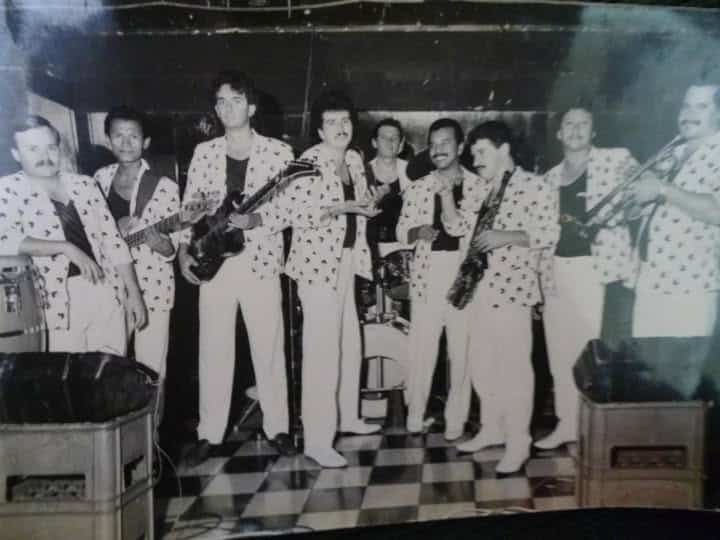
Authentic Costa Rican music is characterized by a blend of indigenous, Spanish, and Afro-Caribbean influences that have evolved over centuries. Traditional music often features instruments such as the marimba (a wooden xylophone with a bright sound), guitars, drums, flutes, maracas, and rhythmic percussion. Costa Rican folk music is lively and often tied to rural life, storytelling, and dance, with regional styles like musica guanacasteca (from Guanacaste), musica aldeana (Central Valley), musica limonense (Limon), and musica generalena (San Isidro del General). Popular rhythms include salsa, cumbia, merengue, and calypso, reflecting Afro-Caribbean heritage. The folklore influences vocal styles such as punto guanacasteco, emphasizing call-and-response singing mixed with Spanish guitar playing.
Regarding examples of well-known older bands and newer bands:
- Older bands known for preserving traditional Costa Rican music include Los de Palmar, active since the 1940s, recognized for maintaining cultural music globally.
- In Costa Rica’s modern rock and pop scenes, well-known older bands include The Fabulous Vargas Brothers and Ghandi.
- Newer and modern popular bands in Costa Rica include Abracadabra, Via Libre, Café con Leche, and Suite Doble, who represent contemporary styles and fusion while drawing from national music roots.
Thus, Costa Rican music combines deep traditional roots with vibrant modern expressions, both preserved by older groups and innovated by new bands.
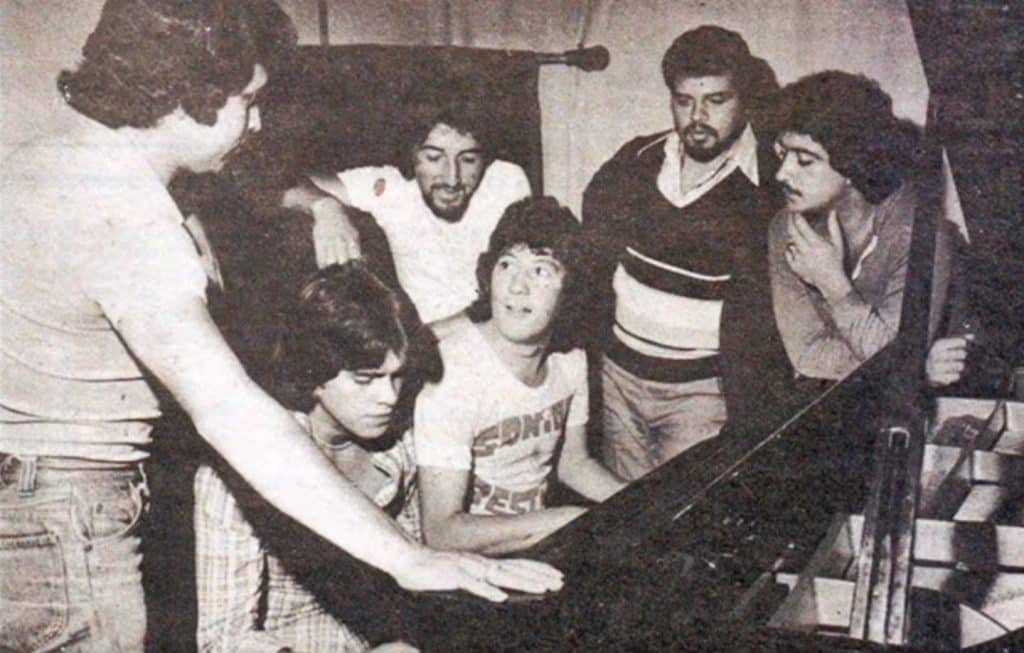
Classic Costa Rican bands from the 1940s to the 1980s include a mix of popular groups especially known for styles like chiqui-chiqui, salsa, merengue, and Afro-Caribbean fusion. Some key bands from this period are:
- Los de Palmar (active since the 1940s, known for traditional Costa Rican music)
- La Banda (notable for hits like “Avispa” in 1978 and other chiqui-chiqui classics)
- Los Hicsos (associated with chiqui-chiqui style and hits like “El Hula Hula”)
- Jaque Mate (known for songs such as “El Pipiribao” and “El Cangrejo” in the mid-1980s)
- Marfil (active since the 1980s, renowned for salsa and Afro-Caribbean fusion like “Represento”)
- La Pandylla (mid-1980s chiqui-chiqui band with hits such as “A Comer Mamey”)
- Manantial (with the hit “Julieta” in the 1980s)
- Blanco y Negro
- La Maffia
- Los Alegrísimos
- La Empresa
Additionally, some older rock/pop bands gained prominence towards late 1970s and 1980s including The Fabulous Vargas Brothers.
These bands significantly shaped the musical landscape in Costa Rica during the mid-20th century into the 1980s, reflecting both traditional and contemporary styles of their times.
Howler Staff are John, Terry and whomever else we can get to write great articles.