
You can stroll through a grocery aisle, toss a few snacks into your cart, grab soap, maybe a lipstick, and never once notice how often palm oil shows up. It hides in plain sight – in cookies, ice cream, shampoo, candles, and countless packaged foods. For travelers, expats, and conscious consumers who care about where things come from, palm oil is one of those ingredients that opens a much bigger story about land, forests, livelihoods, and the way modern consumption works.
This is not just a food-label issue. Palm oil sits at the crossroads of convenience and conservation, affordability and accountability. That tension is exactly why it matters.
What Is Palm Oil?
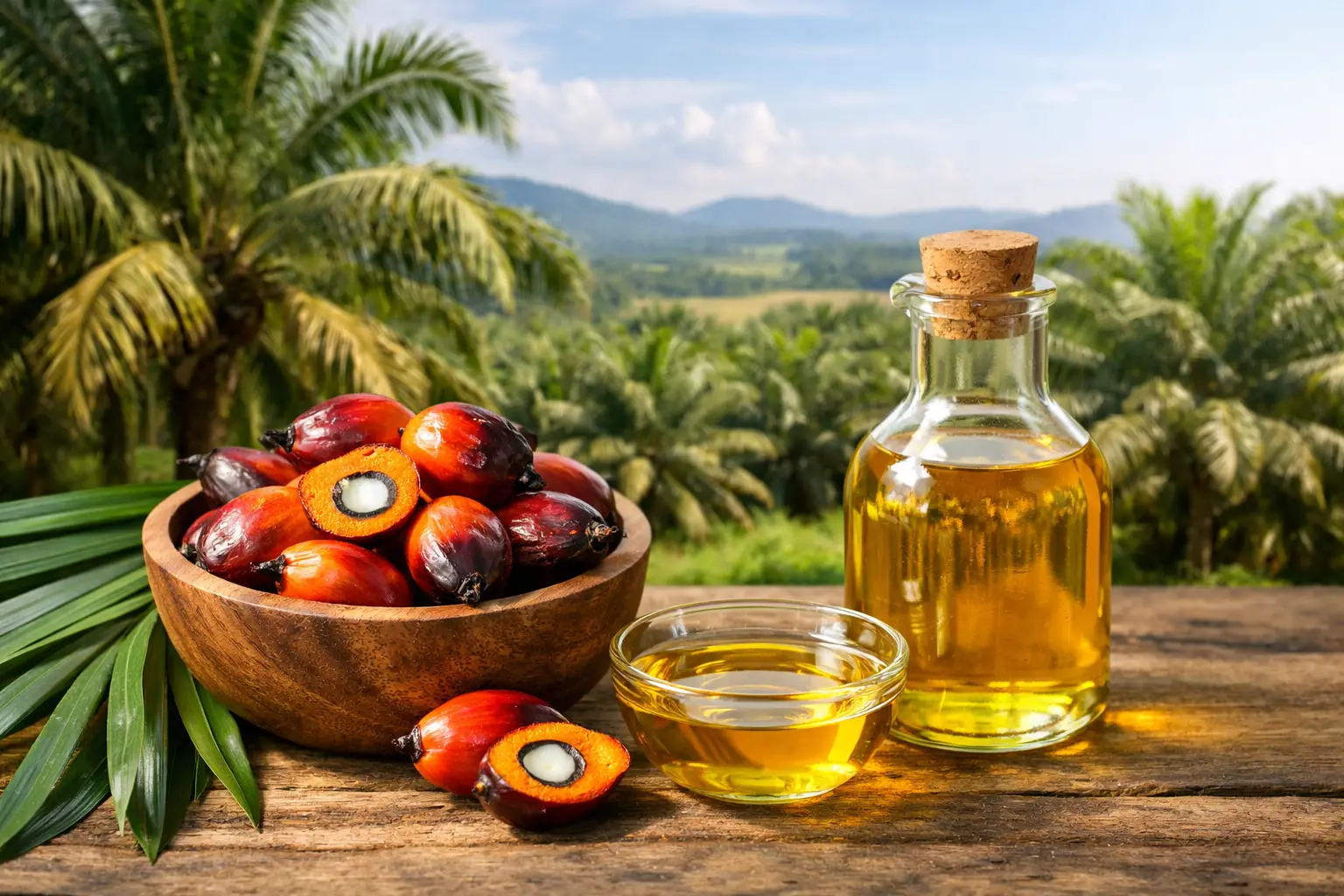
Palm oil is a vegetable oil made from the fruit of oil palm trees, mainly the species Elaeis guineensis. It is prized because it is efficient, versatile, and cheap to produce compared with many other oils. It stays stable at high temperatures, gives processed foods a desirable texture, and helps cosmetics spread smoothly or last longer on the shelf.
There are actually two common products from the same plant. Palm oil comes from the fleshy fruit, while palm kernel oil comes from the seed inside. They are related, but they behave differently in manufacturing. If you read labels carefully, you may see both.
That efficiency is a huge part of the reason the ingredient became global. Oil palm yields far more oil per acre than soy, sunflower, or canola. From a purely agricultural point of view, that sounds like a win. Grow more on less land, and in theory you spare forests elsewhere. But agriculture rarely stays in theory for long.
Why Palm Oil Became So Controversial
The controversy around palm oil is not really about the oil itself. It is about how and where it is produced.
Large-scale palm plantations have been tied to deforestation in tropical regions, especially in parts of Indonesia and Malaysia, which dominate global production. When forests are cleared to make room for plantations, wildlife habitat disappears. That affects species people know well, such as orangutans, elephants, and tigers, but it also disrupts entire ecosystems that do not make the headlines.
There is also a climate angle. Some palm plantations have been developed on peatlands, which store immense amounts of carbon. When those landscapes are drained and disturbed, emissions can rise sharply. Add fires, land conflict, and labor concerns, and the conversation becomes much broader than one ingredient on a package.
For readers who spend time in Costa Rica or care deeply about tropical landscapes, this story lands differently. You do not have to live beside an oil palm plantation to understand what is at stake when forests shrink and biodiversity loses ground. Costa Rica has built much of its international identity around reforestation, national parks, and wildlife protection. That makes the global palm oil debate feel less abstract and more personal.
Is Palm Oil Always Bad?
No, and that is where the topic gets more nuanced than many headlines suggest.
If the world stopped using palm oil tomorrow, demand for vegetable oil would not vanish. It would likely shift to other crops, many of which need more land to produce the same amount of oil. That means a boycott sounds simple, but the environmental result could be mixed. Replacing palm oil with less productive crops may actually increase land pressure in other places.
The better question is not whether palm oil exists. It is whether it can be produced responsibly, with strong environmental standards, fair labor practices, and transparent supply chains.
Some producers and certification systems have tried to move in that direction. You may have seen labels referring to sustainably sourced palm oil. That can be meaningful, but it is not a magic stamp. Certifications vary in rigor, and enforcement is not always perfect. Still, better standards can create pressure for traceability, forest protection, and improved labor conditions.
So yes, palm oil can be part of a more responsible system. But consumers have every reason to ask hard questions.
Palm Oil in Food, Beauty, and Everyday Life
One reason this issue feels so slippery is that palm oil is rarely marketed front and center. It is often folded into ingredient lists under names that are easy to miss. In food, it can appear in baked goods, spreads, instant noodles, frozen meals, and packaged snacks. In personal care, it shows up in soap bases, detergents, moisturizers, and makeup ingredients derived from palm-based compounds.
That matters because many people assume they hardly ever buy it, when in reality they may be purchasing it weekly. The ingredient is so common precisely because manufacturers like what it does. It is stable, adaptable, and cost-effective.
For consumers trying to align their purchases with their values, that creates a familiar modern dilemma. You want practical products. You also want cleaner supply chains. Sometimes those goals line up nicely. Sometimes they do not.
What Travelers and Expats Should Pay Attention To
If you are the kind of person who reads labels in a specialty market in Santa Teresa, asks where ingredients come from at a boutique hotel spa, or prefers brands that tell a transparent sourcing story, you already understand the real issue: consumption has a footprint, even when it looks polished and harmless.
Palm oil is worth watching for the same reason seafood sourcing, coffee certification, and timber legality matter. It tells you something about the hidden life of a product.
That does not mean every vacationer needs to interrogate every bar of soap. But it does mean informed choices add up. If a brand is serious about sustainability, it should be able to say something concrete about where its ingredients come from. Vague green language is no longer enough.
How to Make Smarter Choices About Palm Oil
Start with curiosity, not perfection. Read ingredient labels when you can. Look for brands that are transparent about palm oil sourcing rather than those that simply avoid the conversation. If a company uses palm oil, the better sign is often a clear explanation of how it is sourced, monitored, and certified.
It also helps to avoid a simplistic good-versus-bad mindset. A product labeled palm oil free is not automatically more sustainable. The replacement ingredient matters. So does packaging, transport, production scale, and waste.
A more grounded approach is to support businesses that show their work. Responsible sourcing claims should come with specifics. Ethical labor should not be treated as a luxury add-on. Forest protection should be measurable, not decorative copy.
Consumers have more influence than they sometimes think, especially in premium travel and lifestyle markets where brand identity is built on trust. When enough buyers ask better questions, companies tend to answer.
Palm Oil and the Bigger Environmental Conversation
What makes palm oil such a useful topic is that it forces us to let go of easy answers. It reminds us that sustainability is rarely a one-step fix. High-yield crops can reduce land pressure, but only if land use is governed responsibly. Certifications can help, but only if they are monitored honestly. Consumer awareness matters, but only if it moves beyond slogans.
That lesson travels well. It applies to development debates, food systems, tourism growth, and conservation efforts across the tropics. Beautiful landscapes do not stay beautiful by accident. They are shaped by policy, business choices, and ordinary purchasing habits that ripple outward.
For a globally minded audience, palm oil is less a niche ingredient story and more a case study in how the modern world works. The products we enjoy are connected to places we may never see. Yet those places matter, whether they are rainforests in Southeast Asia or biodiverse regions closer to home in Latin America.
The most useful response is not guilt. It is attention.
FAQs About Palm Oil
Is palm oil unhealthy?
Palm oil is high in saturated fat, so moderation matters, especially in processed foods. Its health impact depends on the overall diet, the type of product, and how often you consume it.
Why is palm oil used so much?
It is inexpensive, versatile, and highly efficient to grow. Manufacturers like its texture, shelf stability, and performance in both food and personal care products.
Is sustainable palm oil real?
It can be, but standards vary. Some certification programs are stronger than others, so it is smart to look for brands that explain their sourcing clearly instead of relying on a label alone.
Should I avoid palm oil completely?
It depends on your goals. If you want to reduce your environmental footprint, focusing on transparency and responsible sourcing is often more effective than assuming every alternative is better.
Does palm oil affect wildlife?
Yes, when forests are cleared for plantations, wildlife habitat can be lost or fragmented. The biggest risks come from poorly managed expansion in sensitive tropical ecosystems.
The next time you pick up a snack, a sunscreen, or a favorite beauty product, take a second look at the label and the story behind it. Small moments of awareness can lead to better markets and better habits.
What do you look for when a brand says it is sustainable? Have you ever changed a buying habit after learning where an ingredient comes from? Join the conversation and share this article with someone who cares about travel, conservation, and living well with open eyes.