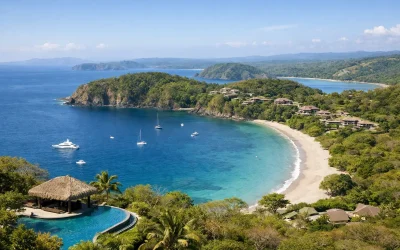

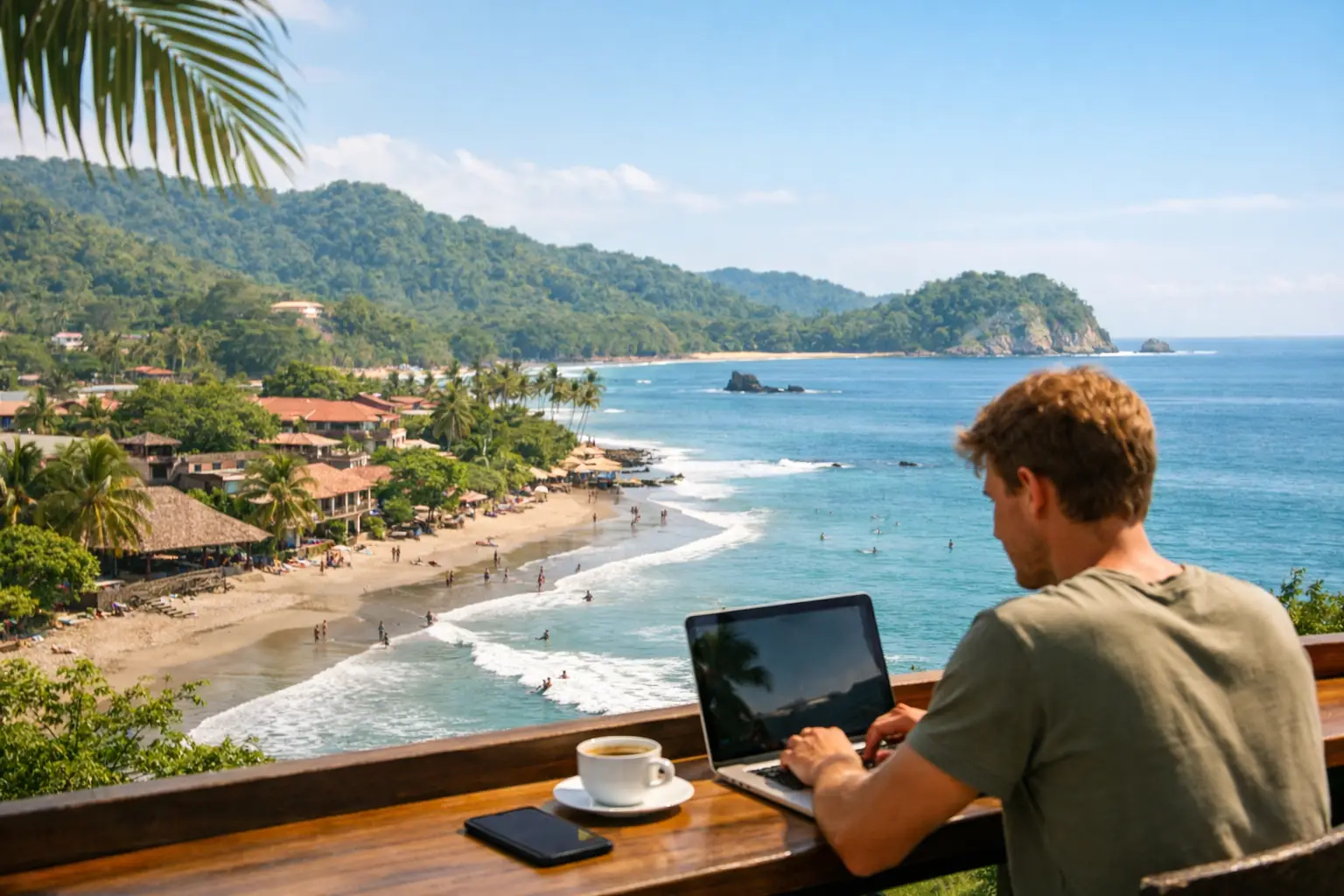
By 8 a.m. in Santa Teresa, laptops are already open near the beach, surfboards are drying in the sun, and somebody is taking a Zoom call with salt still in their hair. That mix of work and wild beauty explains why the best towns for digital nomads in Costa Rica are no longer a niche conversation. For many remote workers, this country offers something harder to find elsewhere – a real sense of life beyond the screen.
But not every town fits every kind of nomad. Some people want fiber internet and flat whites. Others want jungle, quiet, and enough bandwidth to send files before heading to the waterfall. In Costa Rica, your ideal base depends on how you work, how much comfort you need, and whether you measure a good day by productivity, sunset, or both.
What makes the best towns for digital nomads?
A pretty beach is not enough. The best towns for digital nomads tend to get the fundamentals right: reliable internet, a decent range of rentals, good food, easy transportation, and enough social life to keep remote work from turning into isolation.
Then there is the less measurable part. Safety matters. So does walkability, access to nature, and the feeling that you can settle into a rhythm instead of spending every week solving small logistical problems. Costa Rica does well here, but each town has its own personality, pace, and trade-offs.
Santa Teresa
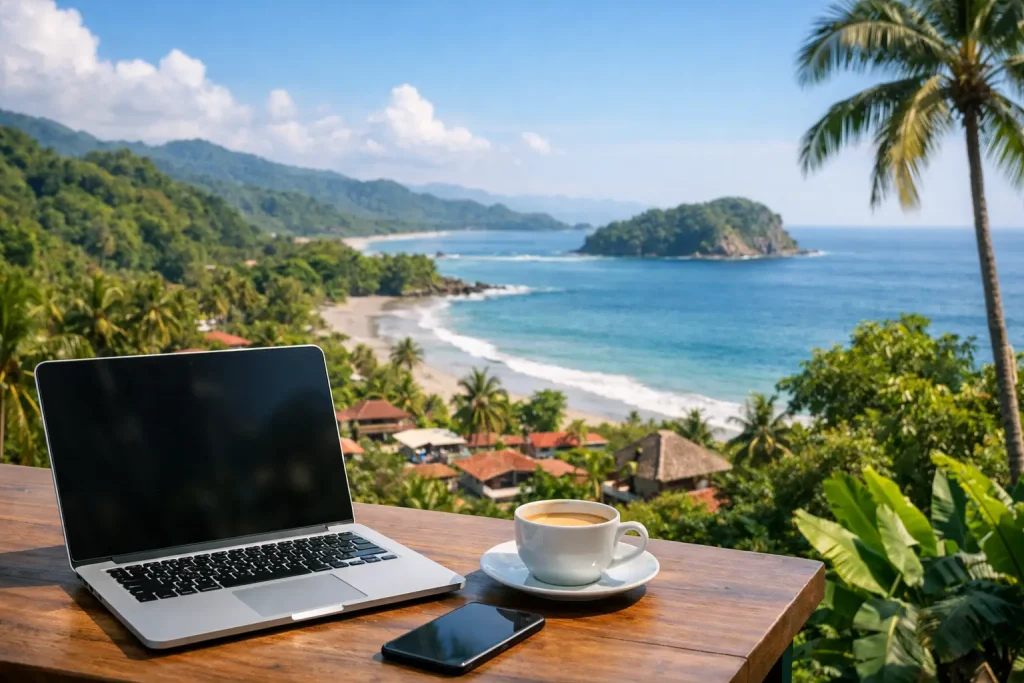
Santa Teresa has become one of the country’s most recognizable remote-work hubs, and for good reason. It is beautiful in a way that feels almost staged – long beaches, dramatic sunsets, jungle roads, and a surf culture that sets the tone for daily life. If your version of success includes a morning session in the water and an afternoon of client calls, this town makes a convincing argument.
The upside is obvious: strong international community, plenty of stylish cafes, wellness options, and a steady stream of entrepreneurs, creatives, and founders. The downside is just as real. Santa Teresa is expensive, roads can be rough, and in high season it can feel crowded for a place that still trades on barefoot charm. It works best for nomads who value energy, scene, and access to a like-minded crowd.
Nosara
Nosara has a quieter confidence. It is polished but not flashy, health-conscious without being overly performative, and deeply attractive to remote workers who want structure with nature built in. The area around Guiones is especially popular because it offers consistent surf, yoga culture, good restaurants, and a calm but social atmosphere.
Many people rank Nosara high among the best towns for digital nomads because it supports long stays. You can find community here without feeling pressured into constant socializing. It is also a strong choice for families or couples who want a little more order and a little less chaos than some surf towns deliver.
The trade-off is price. Nosara is not the budget option, and availability can get tight. If you come here, come because you want quality of life and are prepared to pay for it.
Tamarindo
Tamarindo is often underestimated because it is well known, but popularity usually points to something useful. For digital nomads, that usefulness is convenience. Tamarindo has a wide range of accommodations, restaurants, nightlife, services, and transportation options, all in a relatively accessible beach town.
If you are new to Costa Rica, Tamarindo can be an easy landing spot. English is widely spoken, the learning curve is gentler, and you can get a lot done without feeling far from modern comforts. The internet is generally dependable, and the town’s social side makes it easy to meet people quickly.
Of course, convenience comes with trade-offs. Tamarindo can feel more commercial than other beach communities, and if you are chasing a hidden-gem fantasy, this is probably not it. But if you want a base that is practical, lively, and flexible, it earns its place on the list.
Uvita
Uvita appeals to a different kind of remote worker – someone less interested in being seen and more interested in breathing room. On the South Pacific coast, it offers rainforest, ocean, waterfalls, and one of the most dramatic natural settings in the country. It feels grounded, a bit more local, and often more affordable than some of the better-known nomad magnets.
This is the town for people who want nature close enough to shape the day. You might finish work and head to Marino Ballena National Park, or drive a short distance to a swimming hole instead of a cocktail bar. Uvita has been developing steadily, and with that growth comes better infrastructure, more cafes, and more long-stay appeal.
Still, it is not as built out as Tamarindo or Santa Teresa. You may need a car. The social scene is smaller. For the right person, those are benefits, not drawbacks.
Puerto Viejo de Talamanca
On the Caribbean side, Puerto Viejo offers a mood all its own. Afro-Caribbean culture, reggae rhythms, lush coastline, and a slower, more colorful pulse make it one of the most distinctive places in Costa Rica. For digital nomads who are tired of copy-and-paste beach towns, Puerto Viejo can feel refreshing.
The appeal is not only aesthetic. The town has a creative, independent spirit and an easy blend of locals, expats, and travelers. Food is a major part of the experience here, and daily life feels less curated, more organic. If your work allows some flexibility and you value atmosphere as much as efficiency, Puerto Viejo has real charm.
What you need to understand is that the Caribbean side moves differently. Infrastructure may not feel as polished as parts of Guanacaste, and depending on your standards, that can either be part of the magic or a frustration. It is best for nomads who adapt easily and want culture as much as convenience.
La Fortuna
Not every digital nomad wants the beach. La Fortuna, with Arenal Volcano rising in the background, offers a different version of Costa Rica – one filled with hot springs, rainforest trails, adventure parks, and a lush inland setting that feels cinematic.
For remote workers, La Fortuna has a lot going for it. It is well established, easy for visitors to navigate, and packed with services. You can spend your lunch break looking at a volcano and your weekend canyoning or hiking through hanging bridges. The town also works well for people who like activity but prefer a more town-centered setup over a spread-out coastal one.
The catch is that La Fortuna is tourism-forward. It can feel busy, and if your dream is a sleepy local village, this is not that. But for nomads who want comfort, scenery, and adventure without needing a surfboard, it is a smart choice.
Grecia or Atenas
If your digital nomad dream includes mountain air, spring-like weather, and proximity to the Central Valley, Grecia and Atenas deserve a look. These towns are not usually the first names dropped in beach-heavy conversations, yet they offer something many remote professionals eventually crave: stability.
You are closer to San José, closer to major services, and often living in a more residential rhythm. That can mean better value, easier errands, and a lifestyle that feels less transient. Both towns have long attracted expats and retirees, but younger remote workers are starting to see the advantage of a base that is practical Monday through Friday and still within reach of weekend escapes.
This option is best for people who work traditional hours, need consistent infrastructure, or plan to stay for months rather than weeks. If your priority is nightlife or surf, look elsewhere. If your priority is a livable home base, these mountain towns have a lot to offer.
How to choose the right town for you
The real question is not which town is best. It is which town matches your version of daily life. If community and trend-forward energy matter most, Santa Teresa or Nosara may fit. If you want simplicity and services, Tamarindo makes sense. If you want nature with room to breathe, look at Uvita or La Fortuna. If culture and individuality pull you in, Puerto Viejo stands apart. If you need practicality first, Grecia or Atenas may surprise you.
It also helps to be honest about your work. If you are on video calls all day, test the internet before committing. If you need quiet, do not rent next to a popular bar and hope for the best. If you are budgeting carefully, remember that Costa Rica can be more expensive than many first-time visitors expect, especially in high-demand coastal towns.
And one more thing matters here: respect for place. The popularity of remote work has brought opportunities, but also pressure on housing, infrastructure, and local communities. Living well in Costa Rica means paying attention to where your money goes, how you move through the town, and whether your presence adds value or simply consumes it. That awareness tends to separate a good stay from a meaningful one.
The sweetest part of remote work in Costa Rica is not just the scenery. It is the possibility of building a day that feels fuller – productive in the morning, grounded in the afternoon, and connected to something real by nightfall.
FAQs
What is the best town for first-time digital nomads in Costa Rica?
Tamarindo is often the easiest starting point because it has solid infrastructure, plenty of accommodations, and an accessible social scene. For a more wellness-focused and relaxed experience, Nosara is another strong first choice.
Is Costa Rica expensive for digital nomads?
It can be. Beach towns like Santa Teresa and Nosara are among the pricier options, especially during high season. Inland towns and less saturated areas can offer better value.
Do digital nomads need a car in Costa Rica?
It depends on the town. In places like Tamarindo, you can get by without one more easily. In Uvita, Grecia, Atenas, and some spread-out areas, having a car can make daily life much simpler.
Which Costa Rica town has the best community for remote workers?
Santa Teresa, Nosara, and Tamarindo tend to have the strongest built-in nomad communities. Puerto Viejo also attracts independent-minded remote workers looking for a more alternative feel.
Is the internet reliable in Costa Rica?
In many popular nomad towns, yes, but reliability varies by neighborhood and property. Always confirm actual speeds with your host or landlord before booking a longer stay.
What is the quietest option among the best towns for digital nomads?
Uvita, Grecia, and Atenas are generally better for quieter living than the more social beach hubs. They suit people who want focus, space, and a steadier routine.
Which town in Costa Rica could you picture yourself working from for three months, and what matters most to you – surf, quiet, community, or convenience? Have you already tested one of these spots? Share your experience and keep the conversation going with Howler Media.