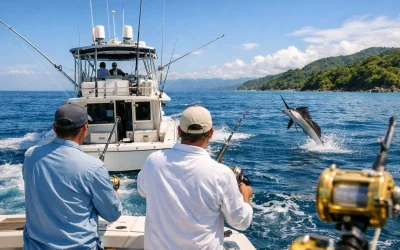

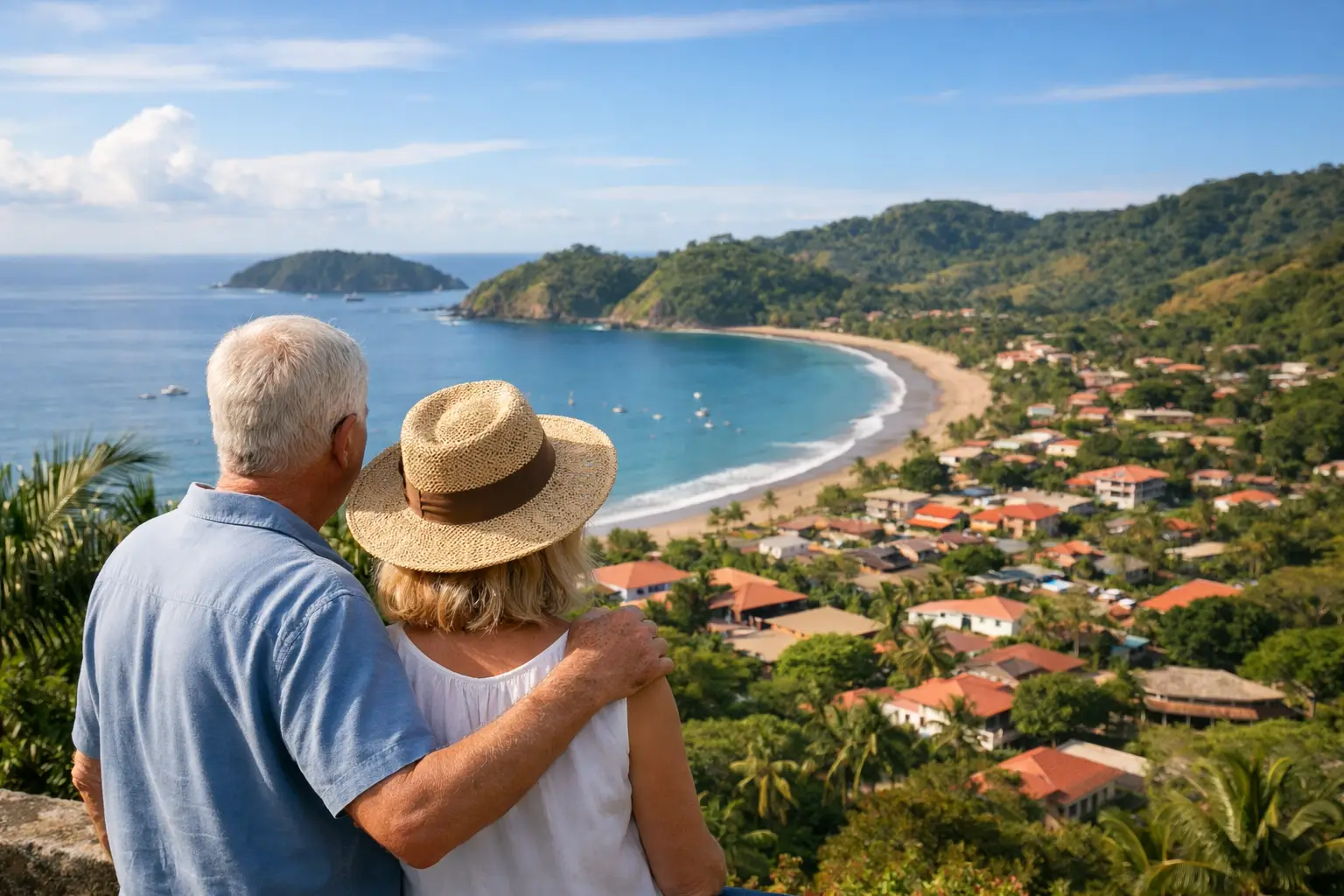
Retirement in Costa Rica rarely begins with a spreadsheet. It usually starts with a feeling – a cool mountain morning in the Central Valley, a sunset over the Pacific, or the simple relief of living somewhere that invites you outside every day. For anyone searching for the best Costa Rica towns for retirees, the real question is not just where to live, but how you want your days to feel once you get there.
Some retirees want walkability, medical access, and a strong expat network. Others want birdsong, a small garden, and a town where the local soda knows their coffee order by the second week. Costa Rica can offer both, but not always in the same place. That is where the choice gets interesting.
What Makes the Best Costa Rica Towns for Retirees?
A beautiful setting helps, but retirement is built on routines. The towns that tend to work best usually balance climate, healthcare access, grocery options, safety, community, and transportation. Cost matters too, although Costa Rica is no longer the bargain it once was in every region. Beach living can come with higher prices, while mountain towns often stretch a pension further.
There is also the question of pace. Some places feel social and energized year-round. Others become very quiet after sunset or dramatically busier in high season. Neither is wrong. It depends on whether you picture retirement as active and outward-facing or slower and more private.
10 Best Costa Rica Towns for Retirees
Atenas
Atenas has earned a long-standing reputation among retirees, and not by accident. Set west of San Jose in the Central Valley, it offers one of the most comfortable climates in the country – warm days, cooler evenings, and less humidity than the coast. Many retirees are drawn to the practical side first: proximity to the airport, decent shopping, and relatively easy access to private hospitals in the capital.
But Atenas is not just convenient. It still feels like a Costa Rican town, with a central park, everyday commerce, and a rhythm that is grounded rather than polished for visitors. For retirees who want community without giving up authenticity, Atenas often lands in the sweet spot.
Grecia
Grecia feels tidy, green, and quietly livable. Its appeal is less dramatic than a beach town, but that is exactly the point. Retirees who settle here often appreciate the dependable infrastructure, manageable climate, and sense of order.
The town is close enough to larger urban services without feeling swallowed by them. It suits people who want a comfortable daily life more than a vacation backdrop. If your retirement dream includes errands that are easy, neighbors you recognize, and mountain views that never ask for attention, Grecia deserves a serious look.
Sarchi
Sarchi is best known for artisan tradition, especially its famous painted oxcarts, but it also appeals to retirees who want a smaller-town feel in the Central Valley. Life here moves at a gentler clip. The scenery is lush, the air is fresh, and the community still carries a strong cultural identity.
This is a better fit for retirees who do not need a large expat scene to feel at home. Sarchi offers a more local experience, and that can be a gift or a challenge depending on your Spanish, your independence, and how immersed you want to be.
Escazu
For retirees who want Costa Rica with urban comfort, Escazu is often near the top of the list. It is known for upscale housing, international restaurants, shopping centers, and quick access to some of the country’s best private healthcare. The conveniences are obvious, and for many older adults, they matter.
The trade-off is that Escazu can feel more metropolitan than tropical. It is also one of the pricier options. Still, if peace of mind means having specialists, pharmacies, and modern services close at hand, Escazu makes a compelling case.
Santa Ana
Santa Ana shares many of Escazu’s advantages but with a slightly more relaxed personality in some neighborhoods. It has grown quickly, and development has reshaped parts of the area, yet it remains popular with retirees who want comfort, security, and easy access to San Jose.
This is a practical choice for people who plan to travel often, maintain active social lives, or want a home base that makes daily logistics simple. It may not deliver the storybook village atmosphere some newcomers imagine, but it works remarkably well for real life.
Tamarindo
Tamarindo is one of the country’s best-known beach towns, and retirees are part of that story. On the plus side, it offers ocean access, a lively international community, strong dining options, and familiar services. If you want yoga at sunrise, dinner with friends, and the beach five minutes away, Tamarindo can deliver.
It is not the choice for everyone. Prices are higher, traffic can be frustrating, and the town is busier and more commercial than quieter coastal communities. But for retirees who enjoy energy, amenities, and a social scene, Tamarindo can feel less like a retreat and more like a fresh chapter.
Samara
Samara tends to win people over gently. It has a broad, swimmable beach, a friendly village atmosphere, and a pace that feels easy without becoming sleepy. Retirees who choose Samara often value balance – enough restaurants and services to stay comfortable, enough local character to still feel rooted in Costa Rica.
Healthcare is more limited than in the Central Valley, so that is worth weighing carefully. Still, for healthy, active retirees who want beach life with less intensity than Tamarindo, Samara is one of the more appealing options on the Pacific coast.
Nosara
Nosara has become synonymous with wellness, nature, and a more design-conscious version of coastal living. For some retirees, that is exactly the attraction. There is a strong community around health, movement, food, and environmental awareness, and the surrounding landscape is undeniably beautiful.
The challenge is cost. Nosara is one of the more expensive places to live in Costa Rica, and road conditions can still surprise newcomers expecting polished infrastructure. It suits retirees who prioritize lifestyle and can absorb the premium that comes with it.
Uvita
Uvita sits in the southern Pacific zone, where rainforest-covered hills lean toward the sea and the mood feels less developed than the northern beach corridor. Retirees drawn here often want nature first. Whales pass offshore in season, waterfalls are part of weekend life, and the area still carries a sense of room to breathe.
That said, Uvita requires flexibility. Services are growing, but this is not urban living. Roads, rain, and distance from major medical centers are all part of the equation. If retirement means embracing the wild beauty of Costa Rica instead of smoothing it out, Uvita can be deeply rewarding.
Puerto Viejo de Talamanca
On the Caribbean side, Puerto Viejo offers a completely different flavor of retirement. The culture is vibrant, the food scene is distinct, and the coastline has a soulful, creative energy that people either love immediately or never quite settle into.
For retirees looking beyond the usual expat map, Puerto Viejo can be refreshing. It is less conventional, more eclectic, and rich in Afro-Caribbean heritage. The trade-offs include humidity, infrastructure variability, and distance from the Central Valley. But for the right person, those are not drawbacks so much as part of the place’s honesty.
How to Choose Between Beach, Mountain, and City Life
The best Costa Rica towns for retirees are not all trying to offer the same life. Mountain towns like Atenas, Grecia, and Sarchi tend to be easier on the budget and body, especially for those who prefer cooler temperatures and better access to healthcare. City-adjacent areas like Escazu and Santa Ana make the transition simpler for retirees who are not ready to give up convenience.
Beach towns ask for more compromise, but they give back something different. You trade some infrastructure for beauty, routine for openness, and predictability for a stronger sense of escape. For many people, that exchange is worth it. For others, it feels better for a monthlong stay than a full-time move.
Before making a decision, spend real time in the town you think you want. Not three vacation days. Try a few weeks in rainy season, shop for groceries, test the roads, and imagine a Tuesday rather than a holiday. Costa Rica is generous, but it is always more revealing once the honeymoon phase passes.
FAQs
What is the best town in Costa Rica for retirees on a budget?
Atenas, Grecia, and Sarchi are often strong options for retirees who want lower living costs than the popular beach towns, while still having access to services and a comfortable climate.
Which Costa Rica towns are best for healthcare access?
Escazu, Santa Ana, Atenas, and Grecia tend to work well for healthcare access because they are within reach of San Jose and major private medical facilities.
Are beach towns in Costa Rica good for retirement?
Yes, but it depends on your priorities. Towns like Samara, Tamarindo, Nosara, and Uvita offer beautiful lifestyles, though they may come with higher costs, seasonal crowds, or longer drives to specialized medical care.
Is Costa Rica still affordable for retirees?
It can be, but affordability varies widely by town and lifestyle. Imported goods, upscale housing, and popular coastal areas can raise expenses quickly, while Central Valley towns often provide better value.
Do retirees need to speak Spanish to live well in Costa Rica?
You can get by with limited Spanish in some expat-heavy areas, but learning the language makes daily life easier and deepens your connection to the community.
Retirement in Costa Rica works best when the place matches the person, not the fantasy. Some people need a mountain breeze and a short drive to a doctor. Others want salt air, barefoot evenings, and a life that feels less scheduled. Which town sounds most like your version of a good life? Have you visited a Costa Rica community that surprised you in the best way? Share your thoughts and join the conversation with Howler Media as you shape your next chapter.