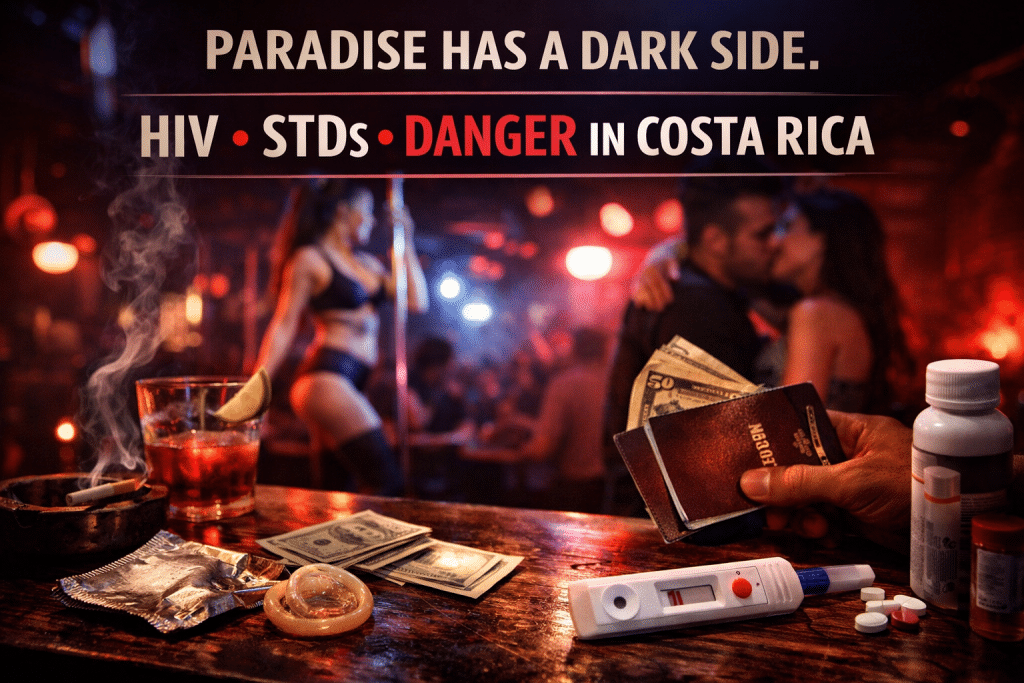


Costa Rica sells a dream with good reason – rainforest mornings, warm Pacific sunsets, surf towns, wildlife, and a quality of life that draws visitors back again and again. But any honest look at the country also needs room for harder truths. A real Prostitution in Paradise Caution means understanding that behind some nightlife scenes, tourist zones, and online offers, there can be legal gray areas, safety concerns, exploitation, and serious reputational risk for travelers, expats, and investors alike.
This is not a morality tale. It is a practical one.
Costa Rica remains one of the most welcoming and beautiful destinations in the world, but paradise is not a shield against complicated social realities. Visitors who assume that what looks casual, glamorous, or consensual on the surface is harmless can quickly find themselves in situations that are unsafe, coercive, illegal, or damaging to the communities they say they admire.
Prostitution in Paradise: Caution starts with context
Costa Rica has long attracted an international mix of tourists, retirees, remote workers, surfers, entrepreneurs, and investors. That diversity is part of its appeal. In some beach towns, border areas, and urban nightlife districts, however, tourism money can also fuel underground economies built around sex work, transactional relationships, and predatory behavior.
The first thing to understand is that the subject is more complex than many outsiders realize. In Costa Rica, prostitution itself is not criminalized in the same way it is in some countries. But that simple fact often gets misunderstood and stretched far beyond reality. Activities connected to prostitution – including pimping, procuring, trafficking, exploitation of minors, coercion, and certain brothel-related operations – may be illegal and aggressively prosecuted. That distinction matters.
For travelers, the danger is assuming legality equals safety or ethical clarity. It does not. A situation can appear voluntary while still involving manipulation, third-party control, debt pressure, substance abuse, immigration vulnerability, or trafficking indicators. The law may treat these pieces differently, but the human cost is real either way.
Why tourists and expats misread the situation
Costa Rica is easy to romanticize. That is part of its magic, but it can also cloud judgment.
A beach bar flirtation, a nightclub introduction, or an online arrangement may seem like part of the freewheeling travel experience. In some cases, visitors interpret transactional dynamics as local culture rather than what they are – an economic exchange shaped by inequality, gender pressure, and tourism demand. That misunderstanding is especially common among short-term visitors who know little about local social dynamics and assume everyone around them is acting from equal power.
Expats can fall into a different trap. After months or years in the country, some begin to believe they understand a town because they know the restaurants, own property, or recognize faces at local bars. Familiarity is not the same as insight. Longtime residents can still misread coercive arrangements or normalize behavior that harms the community around them.
This matters because Costa Rica is not just a backdrop for adult escape. It is a country of families, workers, schools, faith communities, and small businesses trying to build stable local economies. When exploitative nightlife becomes part of a destination’s identity, everyone else pays for it.
The safety risks are broader than people think
When people hear caution, they often think only about scams or theft. Those risks are real, but they are only part of the picture.
Tourists entering prostitution-adjacent spaces can become targets for robbery, blackmail, extortion, drink tampering, and staged conflicts. Phones disappear. Credit cards get cloned. Cash gets demanded after the fact. Photos or messages become leverage. In some cases, a traveler who thought he was entering a private arrangement instead steps into a network involving drivers, lookouts, handlers, or organized opportunists.
There is also a health dimension. Casual assumptions about screening, consent, and substance use can create obvious medical risks. Add alcohol, language barriers, and unfamiliar surroundings, and the margin for good judgment gets thin fast.
HIV in Costa Rica is also a reality that travellers and residents should not ignore. While the country is known for its natural beauty and relaxed lifestyle, HIV and other sexually transmitted infections remain a public health concern, especially where nightlife, casual encounters, alcohol, and poor decision-making overlap. The risk increases when people assume someone “looks healthy,” skip condoms, avoid testing, or treat a holiday mindset as protection. Anyone engaging in new or casual sexual relationships in Costa Rica should be aware, use protection consistently and take testing seriously, because paradise does not cancel consequences.
Then there is the legal exposure. Even if someone believes the core transaction is tolerated, related conduct may not be. Involvement with minors, even unknowingly claimed after the fact, is devastating territory. So is any interaction tied to trafficking or coercion. Costa Rica takes crimes against minors seriously, and foreign nationals are not insulated from scrutiny because they are visitors.
For business owners and property investors, a connection to this economy can also become a reputational problem. A hotel, rental, bar, or transportation service that develops a reputation for facilitating prostitution does not simply attract one kind of guest. It can repel families, wellness travelers, retirees, and serious buyers while drawing attention from authorities and neighbors.
The ethical issue Costa Rica should not have to carry alone
Costa Rica did not invent the demand. International demand travels here.
That is the uncomfortable part of the conversation. A country known for biodiversity, surfing, wellness, and conservation can also become a canvas for imported fantasies. Some visitors arrive with the idea that tropical destinations offer fewer rules, fewer consequences, and easier access to vulnerable people. That mindset is not adventurous. It is extractive.
When sex tourism grows, it distorts local economies. It can pull young people toward risky environments, inflate the power of exploitative intermediaries, and place pressure on women, migrants, and low-income communities. It can also undermine the very destination brand that has made Costa Rica so special – one rooted in nature, hospitality, family travel, and meaningful connection.
That broader context is worth remembering when planning a trip. If your Costa Rica itinerary is built around experiences that respect the country, you will find no shortage of better choices, from national parks to wellness retreats to world-class beaches. If you need inspiration, 15 Best Things to Do in Costa Rica offers a far richer picture of what makes this country memorable.
A smarter way to read nightlife and social scenes
Nightlife itself is not the problem. Costa Rica has lively bars, music venues, beach parties, and social scenes that are fun, welcoming, and perfectly legitimate. The issue is learning to recognize when a setting shifts from festive to predatory.
If a venue seems built around aggressive solicitation, extreme pressure on intoxicated patrons, unusually vague pricing, or a parade of people hovering around tourists with too much interest in wallets, watches, and hotel locations, pay attention. If transportation is pushed insistently, if private locations are suggested too quickly, or if someone else seems to be monitoring the interaction, those are not small details.
The safest approach is not paranoia. It is basic situational awareness. Stay with trusted companions, keep your own transportation plan, watch your drinks, avoid cash-heavy displays, and leave when a place feels off. Intuition is useful in travel, especially at night.
For new residents, this same rule applies in a broader sense. Ask what kind of local economy you are supporting. The Costa Rica many people hope to join is built on community and long-term relationships, not on imported behavior that destabilizes both.
For families, retirees, and investors, this is also a destination question
People considering a move to Costa Rica often focus on climate, healthcare, schools, taxes, and real estate. All of that matters. So does the social environment around a town or neighborhood.
If you are evaluating where to live or invest, spend time there at different hours. Visit on weekends. Ask residents what changes during high season. Research whether an area’s nightlife reputation aligns with the life you want. A beach town can be calm at sunrise and feel very different after dark.
That does not mean avoiding every energetic destination. It means choosing with clear eyes. Costa Rica offers many communities where quality of life remains the main draw, and doing your homework is part of protecting that investment. Readers looking at the country through a relocation lens may also find Costa Rica Relocation Guide for Real Life useful for understanding how everyday life differs from vacation fantasy.
The better version of paradise is still here
A cautionary article about prostitution and sex tourism should not leave the impression that Costa Rica is defined by either one. It is not. The country remains extraordinary precisely because its strongest identity comes from somewhere else entirely – forests alive with birdsong, small towns with deep roots, coastlines that invite awe, and a culture that values both hospitality and dignity.
That is why this subject deserves direct treatment. Protecting paradise requires honesty about what can damage it.
Travel well here. Spend with businesses that contribute something real. Choose experiences that deepen your understanding of the country rather than flatten it into fantasy. Costa Rica gives visitors many ways to feel free. The best ones do not come at someone else’s expense.
FAQs
Is HIV a concern in Costa Rica?
Yes. HIV remains a public health concern in Costa Rica, and travellers, expats and residents should not assume the risk is low simply because the country is known for tourism, nature and a relaxed lifestyle.
Can someone look healthy and still have HIV or another STI?
Yes. A person can appear completely healthy and still carry HIV or another sexually transmitted infection. That is why appearances should never replace testing, protection and common sense.
Does nightlife increase the risk of HIV and STDs in Costa Rica?
It can. Nightlife settings often involve alcohol, casual encounters, reduced judgement and rushed decisions, all of which can increase the chances of unsafe sex, exploitation and exposure to STIs.
Is prostitution legal in Costa Rica?
The issue is more complex than many visitors realise. Prostitution itself is not criminalised in the same way as in some countries, but activities connected to it, such as trafficking, coercion, pimping, procuring and the exploitation of minors, may be illegal and aggressively prosecuted.
Why should tourists be cautious in prostitution-adjacent environments?
Because the risks go far beyond money. Visitors can face robbery, blackmail, extortion, drink tampering, coercion, legal exposure and serious sexual health risks, including HIV and other STDs.
Does using alcohol make sexual health risks worse?
Yes. Alcohol lowers judgement, reduces caution and increases the chance of unprotected sex, poor decisions and vulnerability in unfamiliar situations.
How can travellers protect themselves from HIV and other STDs in Costa Rica?
Use condoms correctly and consistently, avoid casual decisions while intoxicated, do not assume a partner has been tested, and get tested after any risky encounter or unprotected sex.
Should expats and long-term residents worry about this too?
Yes. Familiarity with a town does not remove the risk. Long-term residents can also misread unsafe environments or become too comfortable with behaviour that still carries health, legal and reputational consequences.
Is all nightlife in Costa Rica unsafe?
No. Costa Rica has many lively, enjoyable and legitimate nightlife scenes. The problem is not nightlife itself, but recognising when a place shifts from social and fun to exploitative, predatory or unsafe.
What is the main message of this article?
Paradise does not cancel consequences. Costa Rica is an extraordinary destination, but visitors and residents should approach nightlife, casual encounters and high-risk social scenes with awareness, boundaries and respect.