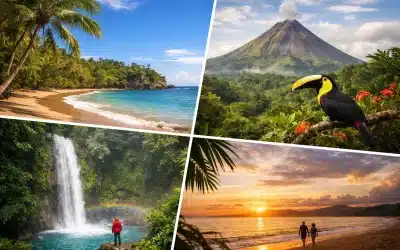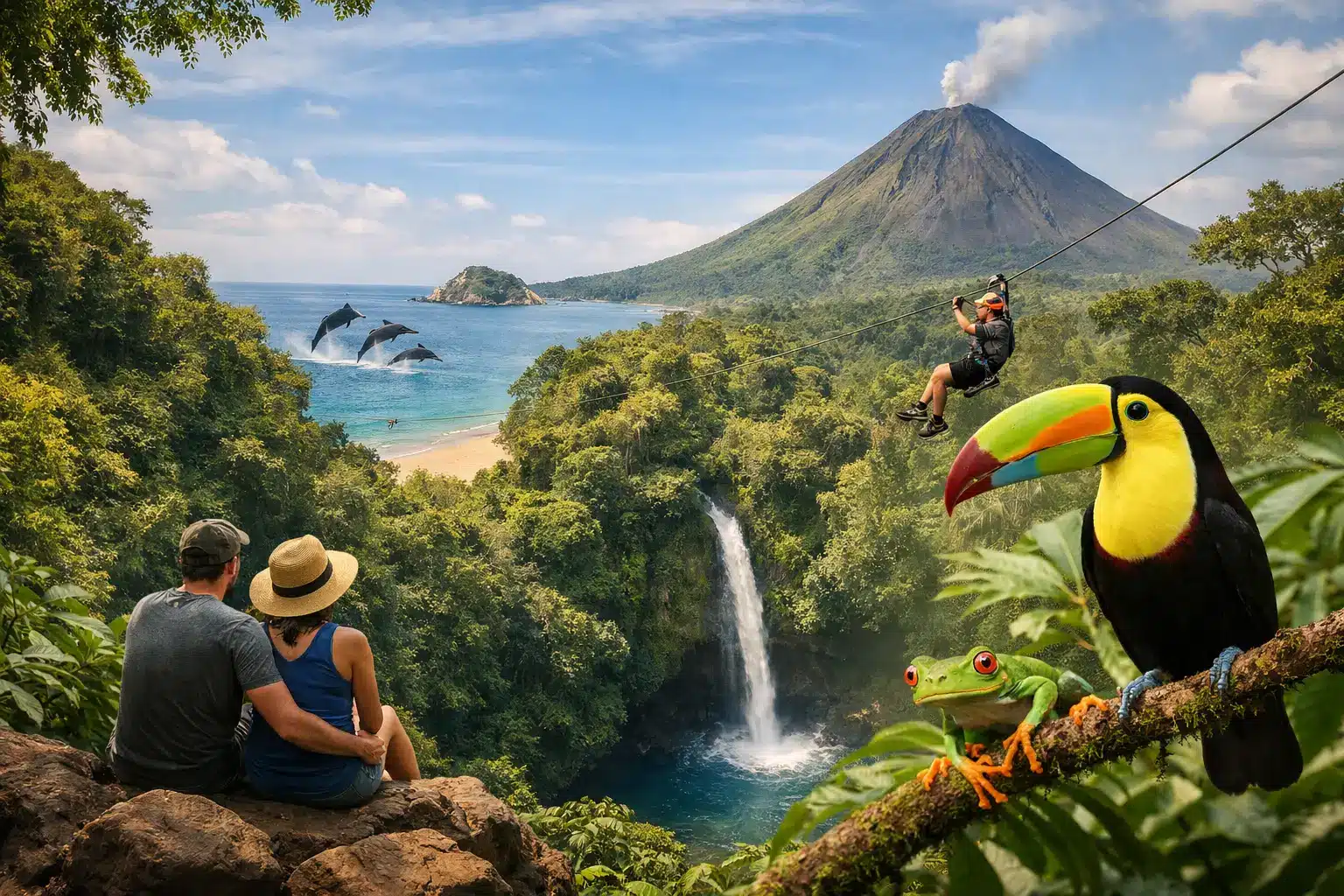
Costa Rica rewards curiosity fast. One morning you are watching scarlet macaws cut across a Pacific sky, and by afternoon you are waist-deep in a jungle river or eating ceviche a few steps from the beach. That is why so many travelers start with the same question – what are the best things to do in Costa Rica? The real answer depends on how you want to feel here: energized, grounded, challenged, spoiled, or a little bit of all five.
This is not a country best experienced as a checklist. It is small enough to combine cloud forest, volcanoes, surf, wildlife, and excellent food in one trip, but varied enough that your itinerary matters. A couple headed for a wellness escape will shape a very different week than a family chasing adventure or a remote worker scouting places to stay longer. The good news is that Costa Rica does all of those versions well.
Best things to do in Costa Rica for first-time visitors
If this is your first visit, aim for contrast instead of trying to cover the entire map. Costa Rica looks compact on paper, but mountain roads, weather, and ferry timing can stretch travel days more than expected. Two or three regions usually make for a better trip than racing through six.
A classic first itinerary pairs Arenal with either the Pacific coast or the cloud forest. Arenal gives you the iconic volcano setting, hanging bridges, waterfalls, wildlife, and hot springs in one easy-to-understand destination. Add Manuel Antonio, Papagayo, Santa Teresa, Tamarindo, or Nosara for beach time depending on whether you want national park access, resort comfort, nightlife, or surf culture.
Travelers who prefer cooler weather and slower mornings often love Monteverde. The cloud forest feels different from the rest of the country – misty, green, and quieter in mood. It is ideal if your Costa Rica fantasy includes coffee, birds, forest walks, and the kind of sweater weather that surprises people in the tropics.
Chase wildlife, but do it with patience
Wildlife is one of the great reasons to come, but it rewards the unhurried traveler. Monkeys, sloths, toucans, crocodiles, sea turtles, and whales are all possible, yet no ethical guide can promise a zoo-like experience on demand. Season, time of day, rainfall, and simple luck all matter.
Manuel Antonio is famous for easy wildlife spotting, which makes it excellent for families and first-time visitors. Corcovado is the opposite end of the spectrum – wilder, more remote, and one of the most biologically intense places in the country. It takes more planning and a bigger effort to reach, but for many travelers it becomes the trip they talk about for years.
If marine life is your priority, head to the Osa Peninsula, Marino Ballena, or the Gulf of Papagayo depending on season. Turtle nesting on the Caribbean side or along parts of the Pacific can be unforgettable, but timing is everything and access rules should be respected. The best wildlife experiences in Costa Rica come with a guide who knows how to observe without disturbing habitat.
Get into the water
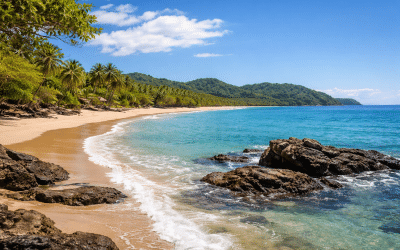
For many visitors, the most memorable things to do in Costa Rica happen where jungle meets ocean. Surfing is the obvious draw, and the country offers a wave for almost every level. Tamarindo is social and accessible. Nosara has a polished surf-and-wellness scene. Santa Teresa delivers beauty, energy, and stronger currents that are better suited to people with some ocean confidence.
If surfing is not your sport, the water still offers plenty. Snorkeling and diving around Caño Island, Catalina Islands, and Bat Islands can be exceptional, though conditions vary with season and visibility. Sportfishing is world class in several coastal regions. Stand-up paddleboarding, sailing, and mangrove kayaking are gentler ways to experience the shoreline and often bring close encounters with birds, monkeys, and reptiles.
Beach choice matters more than many people expect. Some beaches are postcard-calm and swimmable. Others are better for walking, surfing, or sunset but less forgiving for casual swimmers because of rip currents and shore break. Ask locally before getting in. That little bit of caution can make the difference between a beautiful beach day and a stressful one.
Go inland for volcanoes, waterfalls, and hot springs
Costa Rica’s inland landscapes give the country much of its personality. Around Arenal, visitors can hike lava fields, walk suspended bridges through the canopy, swim beneath waterfalls, and end the day in naturally heated mineral water. It is one of the easiest places in the country to mix soft adventure with real comfort.
Río Celeste is another standout, famous for its almost surreal blue color. It is worth seeing, but expectations should be realistic. Rain can affect the river’s appearance, trails can be muddy, and the site is protected for good reason. The payoff is still extraordinary if you arrive prepared for weather instead of polished perfection.
Waterfall chasing can be a trip-defining theme on its own. La Fortuna Waterfall is the famous favorite, but there are many lesser-known cascades across the country where the reward comes with a short hike and a little local knowledge. As always in Costa Rica, the experience is better when you work with the terrain instead of fighting it. Good shoes beat stylish shoes almost every time.
Make room for culture, not just scenery
Costa Rica’s landscapes get the headlines, but the country makes more sense when you step into its cultural life. Visit a farmers market. Order a casado for lunch. Learn the difference between Caribbean cooking and Guanacaste traditions. Spend time in towns where daily life, not tourism, sets the rhythm.
San José deserves more credit than many visitors give it. The capital is where you can connect with museums, theaters, contemporary restaurants, coffee culture, and the layered reality of modern Costa Rica. It will not feel like a beach town, and that is the point. If you only know the country through resorts and national parks, you are only seeing one chapter.
Coffee, cacao, and sugarcane tours can be worthwhile when they are done thoughtfully and not treated as theme-park filler. The best ones connect agriculture, export history, labor, and land stewardship. Costa Rica’s identity is tied not only to biodiversity, but also to the people who have worked and shaped these landscapes over generations.
Adventure is easy to find, but choose your version
There is no shortage of adrenaline here. Zip-lining, whitewater rafting, canyoning, ATV tours, horseback riding, mountain biking, and waterfall rappelling are available in many regions. The trick is picking the experience that matches your comfort level and the season.
Rafting on the Pacuare River is one of the country’s signature adventures, mixing serious natural beauty with real excitement. Zip-lining works for almost any age group and is often a smart choice for mixed-generation travel. ATV tours can be fun, but route quality and environmental impact vary, so it is worth choosing operators who respect local communities and avoid turning the landscape into a racetrack.
There is also a quieter kind of adventure in Costa Rica. It might be a sunrise paddle, a long birdwatching walk, or an early ferry ride to a peninsula you have never seen before. Not every thrill has to come with a helmet.
Wellness fits naturally here
Costa Rica has become a magnet for wellness travel because the setting does a lot of the work. Open-air yoga, jungle spas, hot springs, healthy food, and a general culture of outdoor living create an easy reset. Places like Nosara, Santa Teresa, and parts of the Nicoya Peninsula have built strong identities around this, but wellness is hardly limited to those hubs.
That said, not every traveler wants a week of green juice and silence. Sometimes wellness here simply means sleeping well, walking more, eating fresh food, and spending less time looking at your phone. Costa Rica is very good at that version too.
A few practical choices shape the whole trip
The biggest planning mistake is overpacking the itinerary. Distances are modest, but travel takes time, and every hotel change eats into the day. Focus on what matters most to you. If wildlife is the dream, stay near habitat longer. If the beach is the point, do not sacrifice three full days to cross the country for one waterfall.
Timing also matters. Green season brings lower prices, dramatic landscapes, and afternoon rain that can be refreshing or disruptive depending on your plans. Dry season is easier for some beach itineraries and road conditions, but it is also busier and often pricier. Neither is automatically better. It depends on your priorities.
And while Costa Rica is famously welcoming, the country is not a fantasy bubble outside real-world concerns. National parks need respect. Beach safety matters. Development pressure is real in some regions. Thoughtful travel here means enjoying the country while understanding that its greatest assets – biodiversity, coastline, water, and community character – are not limitless.
The best trips leave a little room for surprise. Plan enough to move confidently, then give Costa Rica space to work on you. A roadside soda, a rainstorm over the forest, a sloth no one expected to spot, an extra sunset you almost skipped – those are often the moments that stay longest. For more destination insight, stories, and local perspective, Howler Media remains a trusted window into the many ways Costa Rica can be experienced.