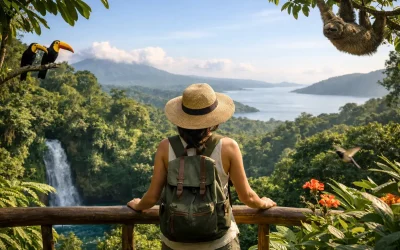

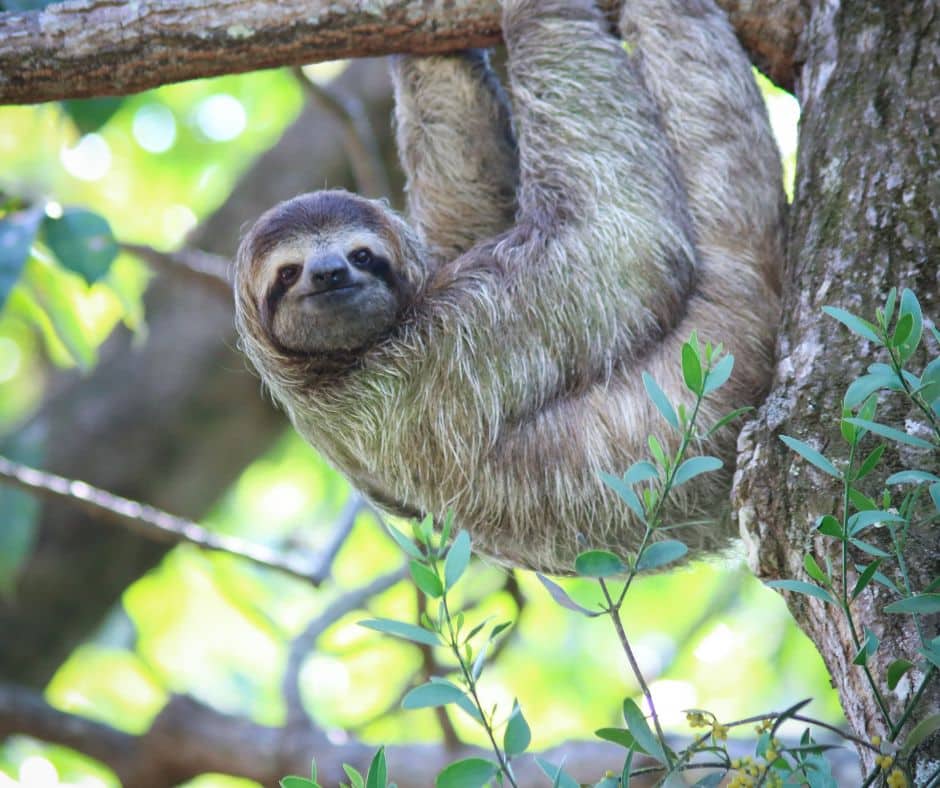
Sloths are among the most unique creatures on Earth, famous for their slow movements and relaxed lifestyle. These tree-dwelling mammals spend most of their time hanging upside down, moving at an unhurried pace that has made them a symbol of tranquillity. But why are they so slow? How do they survive in the wild? This article uncovers the secrets behind their lifestyle, diet, and survival strategies.
Why Are Sloths So Slow? Where Do They Live? What Do They Eat?
Sloths are slow because of their low metabolism, which helps conserve energy. Their diet of leaves provides minimal nutrition, requiring them to move at a leisurely pace to survive. They are native to Central and South America, primarily inhabiting tropical rainforests. They spend most of their lives in trees, using their long claws to grip branches securely. Sloths mainly eat leaves, but some species also consume fruits, flowers, and buds. Their stomachs contain multiple chambers that slowly digest food over several days.
How Long Do Sloths Sleep? How Do They Defend Themselves? Do They Have Predators?
Sloths sleep for about 15-20 hours per day. Their slow metabolism and low-energy diet make extended rest essential for their survival. To defend themselves, sloths rely on camouflage rather than fighting or fleeing. Their fur blends with the trees, often covered in algae, making them difficult to spot. Despite their defenses, sloths face threats from jaguars, harpy eagles, and humans. Their slow movements and high tree-dwelling lifestyle help them evade many dangers.
How Many Types of Sloths Are There? Can Sloths Swim? Why Do They Come Down From Trees?
There are six species of sloths, divided into two main groups: three-toed and two-toed sloths. Each species has unique adaptations to its environment. Surprisingly, sloths are excellent swimmers and use their long arms to paddle through water. They can even hold their breath for up to 40 minutes by slowing their heart rate. Sloths descend from trees about once a week to defecate. This behaviour remains a mystery, but it may help fertilise the trees they rely on for food and shelter.
Are Sloths Endangered? How Long Do They Live? Can They Be Kept as Pets?
Some species of sloths, like the pygmy three-toed sloth, are critically endangered due to habitat destruction and deforestation. Conservation efforts focus on protecting their natural environments. Sloths can live between 20 to 40 years, depending on their species and habitat conditions. While they may look cute, sloths do not make good pets. They require specific environmental conditions and a specialised diet that is difficult to maintain in captivity.
The Enduring Charm of Sloths
Sloths may be slow, but they have captured the hearts of people around the world. Their gentle nature, fascinating adaptations, and mysterious habits make them one of the most intriguing creatures in the animal kingdom. Whether hanging from a rainforest canopy or swimming gracefully through rivers, sloths continue to thrive in their own unhurried way. Protecting these incredible animals ensures that future generations can appreciate their unique way of life in the wild.

Former Navy Journalist, published author and international speaker. Howler executive since 2019.