
Independence Day in Costa Rica: A Celebration of Freedom and Unity
Independence Day in Costa Rica, celebrated on September 15th, holds immense significance as it marks the moment when Costa Rica and the rest of Central America broke free from Spanish colonial rule in 1821. The journey to independence was unique, as it was a largely peaceful transition, setting the stage for a long-lasting period of stability and neutrality in the country’s history.
How Independence Came About
Costa Rica’s independence wasn’t the result of a bloody revolution or violent conflict. In fact, it was largely a consequence of broader geopolitical events. When Mexico declared independence from Spain in 1821, the ripple effect spread through Central America, including Costa Rica. On September 15th of that same year, officials in Guatemala declared independence on behalf of the entire region, which at that time included Guatemala, El Salvador, Honduras, Nicaragua, and Costa Rica.
News of the declaration didn’t reach Costa Rica immediately. In the absence of modern communications, it took about a month for the word to travel south. Despite the delay, Costa Rica embraced its newfound autonomy, beginning its journey as an independent nation.
While independence from Spain was secured without conflict, Costa Rica faced internal struggles regarding its alignment with larger powers, including the Mexican Empire and later the United Provinces of Central America. However, by the late 1830s, Costa Rica had established itself as a fully sovereign nation, distancing itself from both regional federations.
What Independence Meant for Costa Rica
The shift to independence provided Costa Rica with an opportunity to shape its own destiny, yet the path to true freedom and self-determination was not entirely straightforward. The country underwent a period of political instability as various factions vied for power. Despite this, the foundations for a stable and democratic society were laid during the latter part of the 19th century.
Economically, the separation from Spain allowed Costa Rica to focus on its agricultural strengths, particularly coffee production. This was pivotal in transforming the country from a peripheral province under colonial rule to a thriving, independent economy.
Politically, independence meant the opportunity for Costa Rica to develop its own institutions and governance structures. The country eventually adopted a constitution that guaranteed democratic processes, leading to a lasting tradition of political stability. However, the true realization of freedom took time, particularly in ensuring that all citizens benefited equally from independence.
Did Independence Bring True Freedom?
While independence from Spain brought political autonomy, it didn’t immediately translate into total freedom for all Costa Ricans. Social inequalities persisted, particularly between the wealthy coffee elite and the rural, working-class population. For many, the promise of true freedom—defined as equal opportunity, access to education, and economic mobility—would take decades to materialize.
Costa Rica made notable strides towards greater freedom throughout the 20th century. In 1949, the country disbanded its military, choosing instead to invest in education, healthcare, and other social programs. This decision has shaped Costa Rica into the peaceful, democratic, and environmentally conscious nation it is today. True freedom in Costa Rica, while not instantaneous, has evolved over time, making it one of the most progressive nations in Latin America.
How Independence Day is Celebrated in Costa Rica
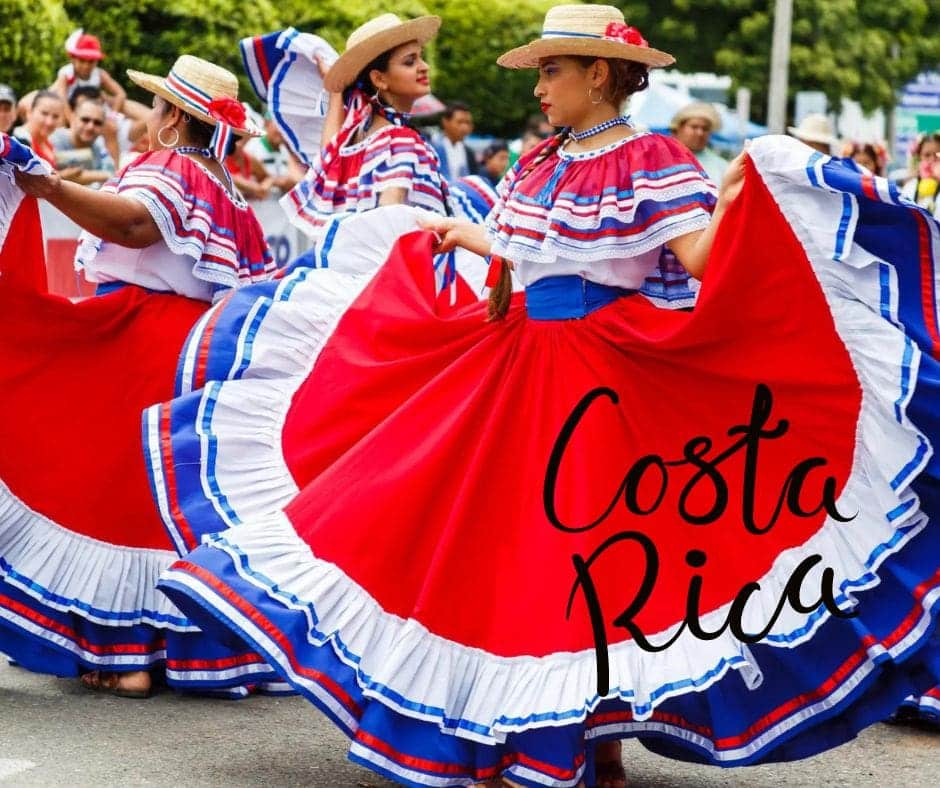
Independence Day in Costa Rica is a vibrant celebration that brings together communities across the country. The day is filled with patriotic events, cultural displays, and expressions of national pride. Celebrations typically begin on the evening of September 14th, with the “Desfile de Faroles” (Lantern Parade). Children march through towns and cities carrying homemade lanterns, symbolizing the journey of independence.
On the morning of September 15th, the day officially begins with the singing of the national anthem, followed by parades featuring students dressed in traditional attire, marching bands, and folkloric dances. Cities like San José, Liberia, and Cartago hold grand parades that attract large crowds, but even smaller towns participate enthusiastically.
A notable part of the celebration is the arrival of the “Torch of Freedom,” which makes its way from Guatemala through Central American countries to symbolize the spread of independence. Costa Rican runners carry the torch through different regions of the country, igniting the patriotic spirit of the nation.
Schools and local governments play a central role in organizing these festivities, emphasizing the importance of teaching younger generations about Costa Rica’s history and values. The day is not just a remembrance of past struggles but also a reflection of the peace and democracy that the country continues to uphold.
Independence Day in Costa Rica is more than just a historical commemoration—it is a living tradition that unites the nation in celebration of its values: peace, democracy, and social equality.