

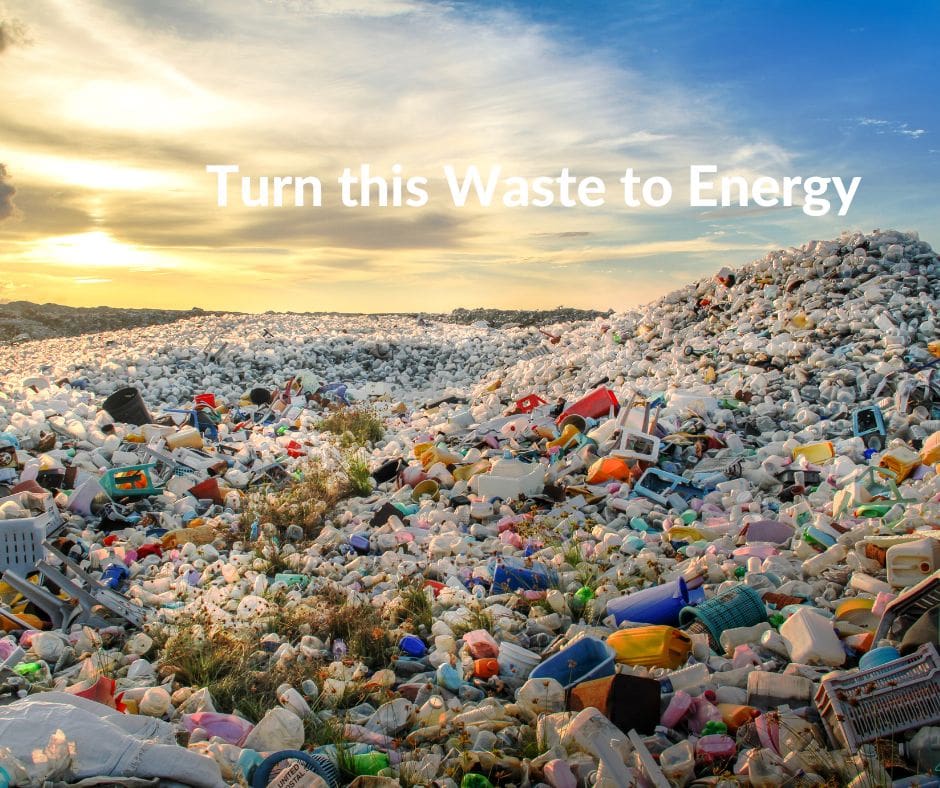
Costa Rica faces an escalating garbage crisis, according to the Minister of Health, Mary Munive AngerMuller. She warns that without immediate and concerted action, the nation could be overwhelmed by waste by year’s end. Munive specifically pointed to the imminent closure of eight landfills, including Los Pinos in Cartago, which has already reached its capacity according to a ruling by the Administrative and Civil Court of the Treasury.
The issue extends beyond landfill capacity. Munive highlighted serious deficiencies in waste management across the country, with a particular focus on inadequate recycling efforts. She revealed that fewer than 10% of Costa Ricans actively recycle, despite San José producing nearly half of the nation’s waste. Many other cantons struggle with collection, logistics, classification, and executing comprehensive waste management plans.
In response, the government introduced La Ruta de Salud Ambiental (Environmental Health Route) last April, a policy aimed at regulating waste generation and establishing management protocols. This policy targets a 25% recycling rate of total waste by 2033 and aims to ensure that at least 34% of the national territory is covered by garbage collection services.
The Minister stressed the urgency of fostering a recycling culture and enhancing municipal waste management strategies. She called for the municipalities to take active roles in efficient waste collection and the adoption of advanced waste valorization technologies.
Turning waste into energy presents a viable option for mitigating this crisis. Waste-to-energy (WtE) technologies, such as anaerobic digestion and incineration, can convert organic waste into renewable energy, reducing landfill use and generating economic benefits. However, the implementation of such technologies requires substantial investment and cooperation from municipal authorities.
The success of these initiatives will depend largely on the commitment of local governments to overhaul their waste management systems and clean up their jurisdictions. Collaboration between the public and private sectors could accelerate the adoption of sustainable practices that not only address waste disposal but also contribute to energy production.