
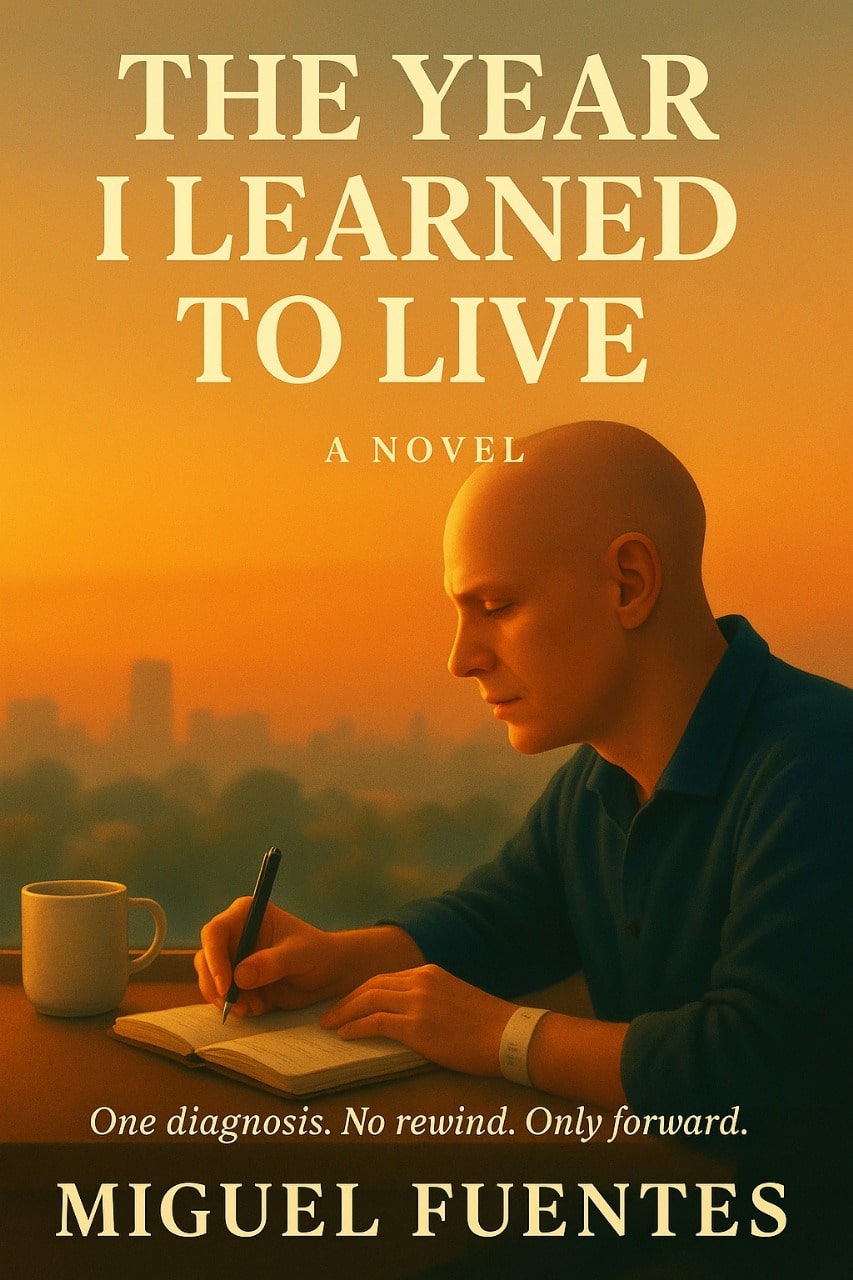
Some books ask to be admired. This one asks to be useful. The Year I Learned to Live is a clear-eyed, big-hearted memoir about illness, family, and the quiet recalibration of a life that once ran on deadlines and deliverables. The author—Miguel—doesn’t polish away the hard parts; he sits with them, and shows how love, humour, and stubborn hope can coexist with chemo drips and scan-day nerves. It reads fast because it feels true.
What moved me most is how a personal fight becomes public service. As Miguel charts the messy middle of treatment, he keeps returning to the people around him—caregivers, nurses, fellow patients—and to practical ways we can lighten each other’s load. This memoir isn’t performative philanthropy; it’s a blueprint for compassion that nudges readers toward action: organising rides, checking insurance mysteries, covering a co-pay, or just being the steady presence who stays for the long conversation.
“Not a manual of quick fixes—it’s a companion’s voice: gentle questions, quiet reflections, and the understanding only lived experience can offer.”
Why you’ll want to buy it
- Honest and hopeful: It never sugar-coats, yet somehow leaves you braver than when you opened it.
- A field guide for helpers: You’ll find the questions, small rituals, and hospital-hallway wisdom that make a real-world difference.
- Charity with teeth: The book channels empathy into tangible support—acts you can start today, not someday.
- Rooted in pura vida: There’s warmth, humour, and that Costa Rican insistence on showing up for each other, especially when it’s hardest.
Click here to purchase this book
Editor’s Sidebar: I Met Him in the Hallway
By John, Editor-in-Chief, Howler Magazine
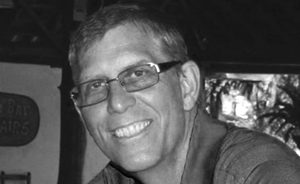
I was in Hospital Clínica Bíblica for treatment when I first noticed Miguel. He walked the corridor with someone always at his side—family, a friend, a nurse who lingered that extra minute. I asked him far too many questions about chemo; he answered them all, patient and steady.
Months later, I returned to the hospital. A man stepped into my room and said hello. I stared blankly. He smiled and asked, “Remember me?” I didn’t—until he told me. It was Miguel. The transformation floored me: a defined face, almost all his hair returned, the same warm smile—only brighter. That moment belonged to attitude, to skilled doctors, and to the wonderful nurses and staff at Clínica Bíblica who treat dignity like part of the medicine. I’m on my own path to recovery, grateful beyond words. And I’m grateful for this book. It deserves to be read, shared, and used to help someone else through the hardest stretch.