

The #1 appeal of Costa Rica is the diversity of the regions, home opportunities, and adventures to experience.

You can find a variety of resources, like Howler Media, to inform yourself of the vast array of choices.

I planned my first vacation in 12 years and I was eager to see what was to come. Yes, the input of information was tremendous from social media, advertising, and promotions. But a personal referral is the one I used for my decision. You will probably discover that is the #1 referral.

Vacations here in Costa Rica…can be a lot a things to a lot of people. Rain or shine, beaches or jungles, you have your options.

The place I chose was an hour from Liberia International Airport. I can tell you a lot of advantages, some you would not care for, others you might relate to. That’s the dilemma here…everybody is different. What makes my week great may be the total opposite of what you’re seeking.

The cover photo is from a soda in the little town we stayed at. Four times we ate there, each time under $12. Plus we got to experience authentic Costa Rica hospitality and food.

The town was small, had everything you needed from stores to eating locations, two breweries and dozens of adventures to choose from.

The town was clean. Meaning, you can sense the pride a community has in the way it presents itself in the visible appeal that you witness as you drive into the rural community.

Windmills dotted the skyline as did the rolling hills and the nearby dormant volcano. The rainy period had the area bursting with green foliage.

Our small rental had just what we needed. Nothing fancy, but the essentials to eat, sleep, and shower. A small creek ran next to the cabin for a 24-hour non-stop serenade of relaxation. Plus, the birds added their chirping to the appealing atmosphere.

The adventures, like the cover photo, could be as simply dynamic as the great maze breakfast to the relaxation of soaking in the nearby turquoise river. From the coffee and chocolate tours to the wildlife adventures…we had an amazing time with each excursion.

Sure, some information I knew, some animals I’ve read about…but first-hand encounters supersede whatever you may see in print or videos.

We had time to “do” and relax. It was a great balance.

If that sort of arrangement is not for you, you can find the total opposite just a couple of hours away. Which is fine. That’s what makes Costa Rica so rich in it’s appeal to the variety of worldwide visitors she welcomes each day.

—————————————–


Planning Your Trip

Planning a trip to Costa Rica means balancing weather, budget, and activity level with how independent you like to travel. The outline below hits the main choices you mentioned so you can start narrowing down dates, destinations, and style of trip.

When to go

  • The driest, sunniest weather is roughly December to mid‑April, and this is also the most crowded and expensive period.
  • May–August (“green season”) brings some daily rain but fewer crowds, richer landscapes, and slightly lower prices; September–October tend to be the rainiest and are often avoided outside of specific regions.
  • Actually…anytime is a good time, seriously.

Budget and expenses

  • A realistic mid‑range budget is roughly 60,000–65,000 Costa Rican colones per person per day (around 100–110 USD) for private rooms, a mix of paid activities, and eating out.
  • With flights and activities, a one‑week mid‑range trip often falls under about 2,000 USD per person, while two‑week itineraries commonly land in the 3,000 USD‑per‑person range if you move around and do tours.
  • Here’s where researching all the options in the area pays off. Don’t disregard having a tour guide. They are trained to provide valuable information to you.

Adventures and fitness level

  • Popular adventures include zip‑lining, white‑water rafting, surfing, volcano hikes, wildlife night walks, and canyoning, many of which have minimum fitness/health requirements and sometimes weight limits.
  • If you have heart, joint, or balance concerns, prioritize shorter guided hikes, hot springs, wildlife boat tours, or easier canopy walks instead of long, steep jungle treks.
  • We had one hike that was very exhausting. Yet, people older than me (I’m 64) were enduring the rocky, challenging trail.

Safety, guides, and going alone

  • Costa Rica is generally considered one of the safer countries in the region, but petty theft and occasional muggings do occur, so you need to be careful with valuables and avoid poorly lit or remote areas at night.
  • Independent travel between well‑known towns is straightforward, but certified guides are strongly recommended for remote hikes, night walks, and adventure sports because they improve both safety and wildlife spotting.
  • Just use common sense. Which can range from “hold my beer, watch this…” to staying with a group of people, not wearing flashy jewelry, and leaving cash in safe hidden places.

Where to stay and how to eat

  • Hotels are best if you want on‑site services and easy tour pickups; condos or Airbnbs suit longer stays and families; small lodges and B&Bs give more local character and often include breakfast. Condos like Lake Arenal Condo is a great option to consider.
  • Eating out three times a day adds up, so many travelers choose places with at least a mini‑kitchen, cook simple breakfasts or some dinners, and then eat one main meal out to keep costs and effort balanced.
  • There are local stores to get the basic food items. Depending on the area, a good pork rib package can range from $5 to $15. The high touristy locations….expect larger price tags.
  • Once again, use local suggestions on eating out.

What is within a two-hour trip?

  • So what if you chose a day to drive a couple of hours to experience other adventures? We were in a location to access dozens of beaches, more volcanoes, Lake Arenal, adventure parks, and more.
  • Options…where is the spot that offer you and your family the most the opportunities?

Summary quiz:

The place we went to for a week was:

  • San Jose
  • Tamarindo
  • Bijagua
  • Puntarenas
  • Limon
  • My full budget was:
  • $750
  • $1000
  • $1250

Poinsettias: The Beloved Christmas Flower and its Festive Tradition

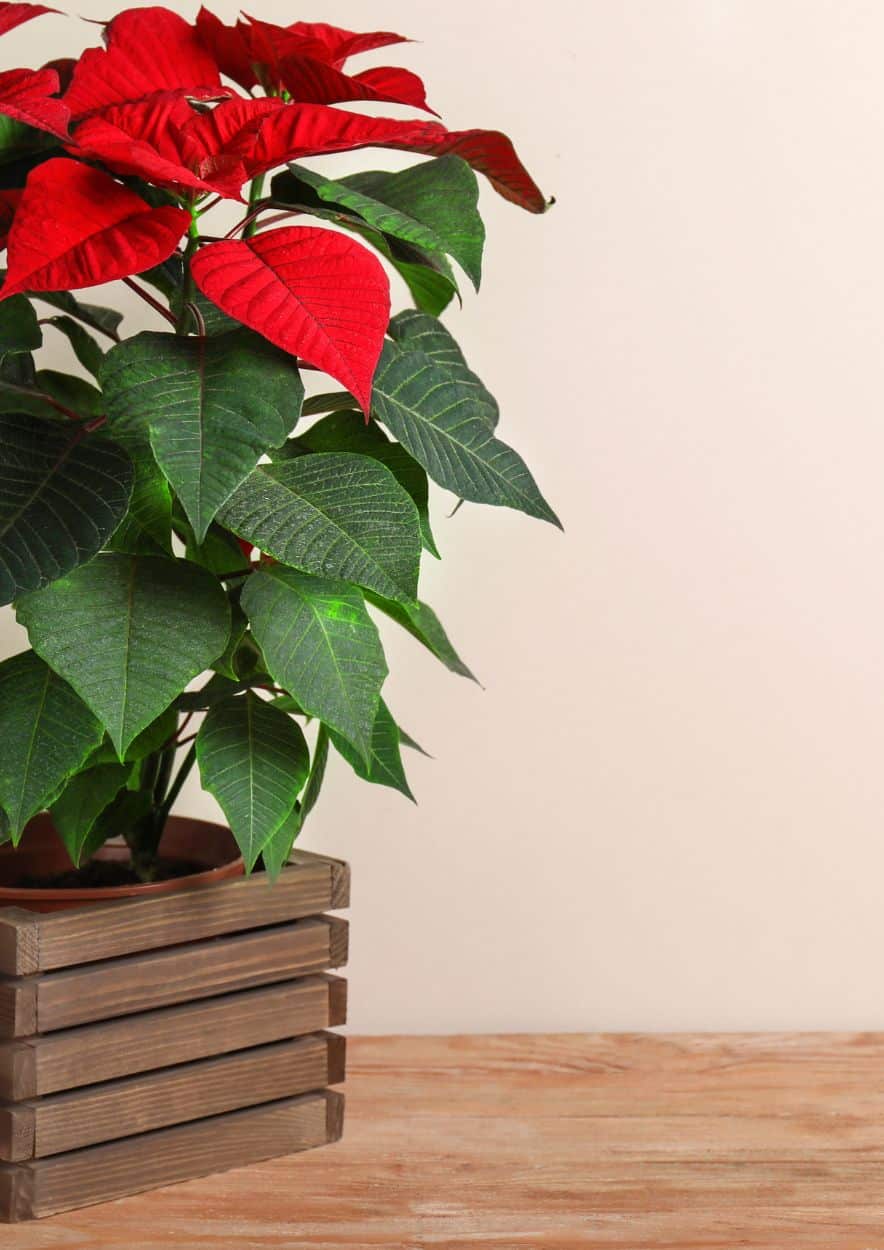
When the holiday season arrives, homes, offices, and public spaces are adorned with vibrant red and green plants, adding a touch of festive cheer. Among these cherished symbols of Christmas, the poinsettia stands out as an iconic and beloved flower. With its vibrant red leaves and rich cultural history, the poinsettia has become synonymous with the holiday season. This article explores the fascinating story of how poinsettias became associated with Christmas.

Origins and Native Habitat:

The poinsettia (Euphorbia pulcherrima) is native to Mexico and Central America, including Costa Rica. The plant was named after Joel Roberts Poinsett, the first United States Ambassador to Mexico, who introduced it to the United States in the early 19th century. Poinsettias were initially used by the Aztecs for medicinal and decorative purposes, and their vibrant red color made them a symbol of purity.

Religious Symbolism:

The association of poinsettias with Christmas is deeply rooted in religious symbolism. Legend has it that a young Mexican girl named Pepita, too poor to afford a gift for the baby Jesus, gathered some modest weeds on her way to church. As she placed them at the altar, they transformed into stunning red poinsettias. This miraculous event is said to have inspired the tradition of using poinsettias as a symbol of love and purity during the Christmas season.

The Mexican Connection:

In Mexico, poinsettias are known as “Flores de Nochebuena,” meaning “Flowers of the Holy Night.” They are an integral part of the country’s Christmas traditions and are displayed in homes and churches to celebrate the birth of Jesus. In fact, December 12th is recognized as National Poinsettia Day in Mexico, commemorating the death anniversary of Joel Roberts Poinsett and honoring the plant he introduced to the United States.

Introduction to the United States:

In the early 1820s, Joel Roberts Poinsett, an avid botanist, brought back poinsettias to his home in South Carolina. He was captivated by the plant’s beauty and shared cuttings with botanical gardens and friends, spreading its popularity throughout the country. The poinsettia’s association with Christmas began in the early 20th century when the Ecke family, a prominent California nursery, started promoting it as a holiday plant.

Commercialization and Popularity:

The Ecke family played a significant role in turning the poinsettia into the iconic Christmas flower we know today. Through extensive marketing and breeding efforts, they developed new varieties with longer-lasting blooms and an array of colors, including classic red, white, pink, and even bi-color variations. Their efforts turned the poinsettia into a must-have holiday decoration, and it soon became a symbol of warmth, love, and joy during the Christmas season.

Cultural Significance and Global Appeal:

Over time, the popularity of poinsettias spread beyond the United States, and they became a cherished Christmas symbol worldwide. Today, poinsettias are enjoyed in various countries and cultures during the holiday season. They are prominently featured in festive displays, church decorations, and as gifts exchanged among friends and family. Poinsettias have become an enduring symbol of the holiday spirit, bringing joy and beauty to countless households around the world.


More related articles

THANK YOU!

Staff