
“I’ve seen enough,” said no one ever about Costa Rica’s enchanting coastal landscapes. Believing there’s no such thing as too many ways to showcase as many as we can in Howler, we’re always on the look-out for beautiful beach scenes captured from new perspectives.
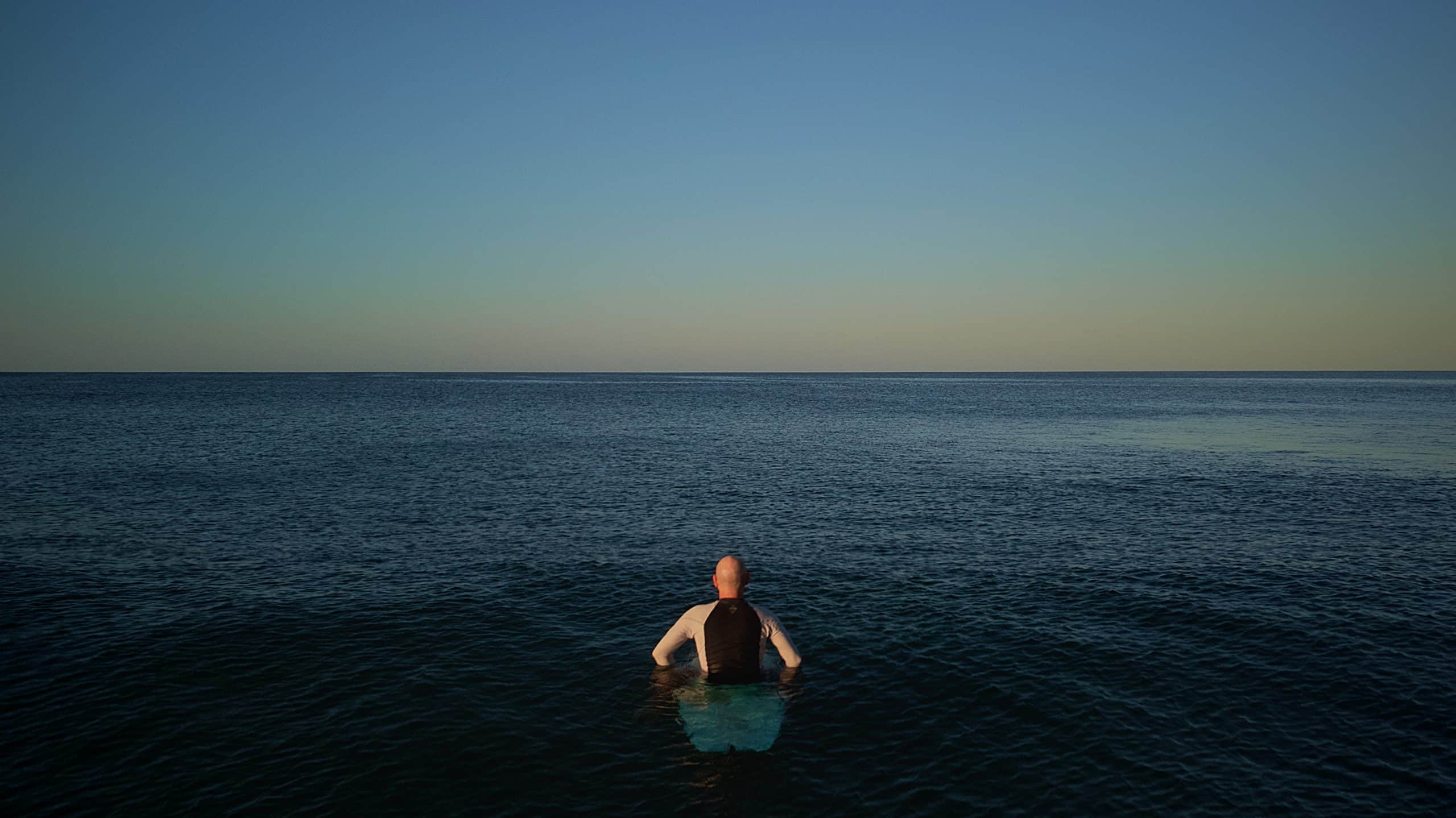
When breathtaking birds-eye views of various Gold Coast shorelines recently caught our attention, we reached out to the source — Ben Murphy at Blue Zone Drone. Here’s what the photographer/videographer told us about his background and Playa Avellanas-based business.
Where are you from?
I am from Nova Scotia, Canada. I have been visiting Costa Rica since early 2015. My first trip here was for a month. I was on a working vacation with friends and as a still photographer for a film crew. I knew I had to come back and see more of the country. So later that year I returned to Costa Rica to do some volunteer work in the rainforest before exploring other regions.
For me, Nova Scotia and Costa Rica share important similarities. They are close to the same size, and have many kilometers of coastline and an abundance of beaches. They also have in common the kindness and hospitality of the locals, and the amount of untouched nature.
When did you get into drone photography?
After being into photography for many years, I started drone photography and videography in 2021.
Tell us about some of the challenges you face in your work.
The biggest challenge with flying drones is the weather. Strong winds have made it difficult to get the drone in the air.
Obviously rain is another factor that keeps me grounded. The battery life of drones is usually 20 to 30 minutes per battery, depending on the drone model. Some have flight times of up to 50 minutes, but this varies depending on how much you’re moving the drone around to get the shots you want.
Obstacles can pose a problem. Many drones have obstacle avoidance features to help prevent a collision with trees, buildings, cell towers, etc.
I mostly film along the coast and my biggest concern is keeping the drone high enough to avoid ocean spray or getting overtaken by a wave when flying close to the water. Crashes in the ocean can be costly.
As for the photography challenges, it mostly comes down to proper lighting. You need to get out when the sun’s position is right and take into account clouds in the sky that could interfere with the content you’re wanting to shoot.Follow Blue Zone Drone on social media:
Costa Rica Trivia:
1) How many total miles of coast land is there?
a) 800 miles
b) 600 miles
c) 1,000 miles
d) 1,200 miles
2) How many miles on the Pacific coast?
a) 531 miles
b) 631 miles
c) 731 miles
d) 431 miles