“During high water, the ‘Aye, mami!’ rapids become ‘Oh, crap!’ rapids,” my guide informed me — and honestly, that’s the most accurate river forecast you’ll ever get in Costa Rica.
Whitewater rafting here is a beautiful contradiction. One minute you’re folded into the raft like a human taco, knuckles white on the safety line, paddling hard because the river has opinions. Then, just around the next bend, the current softens and you’re floating through rainforest calm — howler monkeys performing their best heavy-metal vocals, kingfishers flicking electric-blue across the water, and the air smelling like wet leaves and adventure.
Costa Rica’s rivers run the full menu: gentle Class I–II floats for families and wildlife spotters, and punchy Class III–V rides for anyone who thinks “relaxing holiday” should include the occasional scream-laugh.
Lead photo suggestion
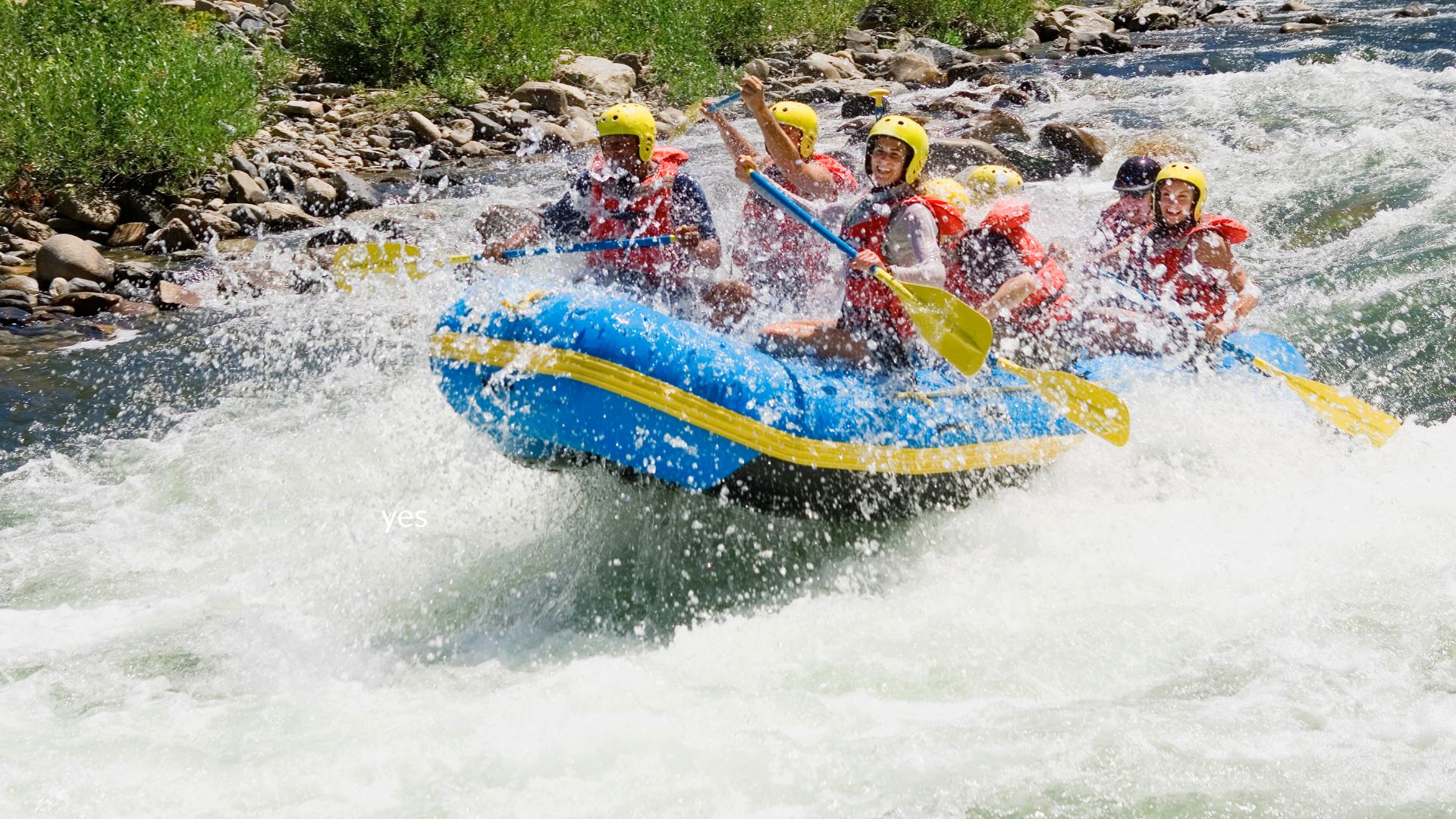
A 16:9 horizontal action shot of a raft punching through a clean wave train on Río Pacuare, mist rising off jungle cliffs, with paddles mid-stroke and spray frozen in the sun.
What’s the best whitewater rafting in Costa Rica?
The best rafting in Costa Rica is usually on Río Pacuare for scenery plus serious rapids, with Sarapiquí, Naranjo/Savegre, and Tenorio offering brilliant alternatives by region.
If you want one river that ticks the “this is why I came” box, Pacuare is the classic. But if you’re based in Guanacaste, Manuel Antonio, or La Fortuna, there are rivers close enough to turn a free day into a full-body grin.
A quick river match-up (by vibe):
-
Río Pacuare (Turrialba / access from Central Valley): iconic jungle canyon + big rapids
-
Río Sarapiquí (Northern Lowlands): warm rain, lush banks, great year-round options
-
Ríos Naranjo & Savegre (Central Pacific): Manuel Antonio day-trip territory, step-up intensity
-
Río Tenorio (Guanacaste): tight canyon fun, smaller rafts, “bumper car” energy
What do river “classes” actually mean (and which is right for me)?
River class is a simple way to describe how intense the rapids are, and most first-timers love Class III–IV for the best mix of thrills and swim breaks.
Think of it like choosing a rollercoaster: you can pick gentle, medium, or “why did I eat that breakfast burrito?”
Plain-English guide to rafting classes:
-
Class I–II: easy float, light bumps, ideal for families and wildlife watching
-
Class III: exciting, splashy, more paddling, lots of laughs
-
Class IV: powerful rapids, sharper moves, bigger waves, more teamwork
-
Class V: advanced, demanding, high-adrenaline, not a casual decision
If you’re travelling with kids or anyone with dodgy knees:
Class I–II river floats are gold, because you’re not constantly crouching, bracing, and popping back up like you’re doing jungle squats.
When is the best time of year to go rafting in Costa Rica?
The best time depends on your comfort level: green season brings higher, faster water, while dry season often delivers more predictable levels and clearer lines.
Costa Rica’s rainfall rhythms change the river’s personality. The same rapid can feel like a playful shove one month and a full-body handshake the next.
General seasonal pattern (keep it flexible):
-
Green season (roughly June–October): more rain, higher water, faster tours, bigger energy
-
Dry season (roughly December–April): often steadier conditions, great visibility, still plenty of action
-
Shoulder months: can be a sweet spot for decent water without the full turbo setting
What “high water” changes:
-
Less time between features (everything arrives quicker)
-
More power in wave trains and holes
-
Faster decision-making for paddlers
-
Bigger smiles for adrenaline people, bigger gulp for nervous people
Where can I raft near Manuel Antonio and the Central Pacific?
Near Manuel Antonio and Quepos, the Savegre and Naranjo systems offer multiple sections that let you level up from Class III to more demanding water.
This is a brilliant area if you want to pair beaches and national park days with a river hit that feels properly wild.
Why this region works so well:
-
You can choose different sections depending on experience
-
Jungle scenery is thick and close to the water
-
It’s a strong option if you’re already in Manuel Antonio/Quepos
What you’ll likely get on the water:
-
Technical rapids that reward good paddling
-
Calm pools between action for swims and resets
-
The kind of rainforest soundtrack that makes your phone videos feel unnecessary
Is Sarapiquí good for rafting if I’m visiting La Fortuna or heading to the Caribbean side?
Yes—Sarapiquí is a smart pick because it sits between Arenal/La Fortuna and the Caribbean route, and it offers excellent Class II–IV runs in lush scenery.
If your itinerary is bouncing from hot springs to cacao tours to Caribbean beaches, Sarapiquí fits like a puzzle piece you didn’t know you needed.
Why people love Sarapiquí:
-
Green riverbanks packed with ferns and jungle growth
-
Warm drizzle days that feel cinematic, not miserable
-
Solid options for both rafts and inflatable kayaks (duckies)
Great choice if you want:
-
A full-day rafting trip without travelling across the country
-
A mix of rapids plus calmer stretches
-
A river experience that feels “real Costa Rica” rather than tourist conveyor-belt
Why is Río Pacuare considered Costa Rica’s classic rafting river?
Río Pacuare is famous because it combines big Class IV–V whitewater with jaw-dropping jungle gorge scenery that looks like a film set.
This river doesn’t just give you rapids; it gives you scale — steep walls, dripping greenery, and that feeling that the modern world has politely stepped away.
What makes Pacuare feel special:
-
Long, scenic sections with variety (not just one-note chaos)
-
Waterfalls and gorge views that genuinely stop conversations
-
Rapids that demand teamwork, timing, and a bit of courage
What a full day often includes:
-
A safety talk that’s calm but serious
-
A few “practice” rapids that are actually already exciting
-
Swim breaks in calmer stretches
-
A waterfall stop where guides encourage jumps that seem like a good idea until you’re airborne
Is rafting in Guanacaste actually worth it (or should I just stay at the beach)?
Yes—Guanacaste rafting is worth it because rivers like the Tenorio give you a totally different kind of thrill, especially when water levels rise in green season.
If your holiday is based on surf, sunsets, and sandy feet, rafting is the perfect “plot twist day” — you’ll still end up wet, just in a more dramatic way.
What’s unique about Río Tenorio trips:
-
Often smaller rafts (more nimble, more personal)
-
Narrow canyon sections that amplify the excitement
-
A fun, fast, “pinball machine” feeling through turns and drops
Perfect for:
-
People staying on the Gold Coast who want one big adventure day
-
Groups who want a shared adrenaline story
-
Anyone who has already watched enough sunsets to last a lifetime (for now)
What’s a “ducky” and should I try one instead of a raft?
A ducky is an inflatable two-person kayak that gives you more control and more splash, and it’s ideal on Class II–III if you already feel confident on water.
A raft is a team sport; a ducky feels like you’re negotiating directly with the river. It’s not better or worse — it’s just more personal.
Why a ducky feels different:
-
You sit lower, so every wave is your business
-
Turning and correcting is on you (with guidance nearby)
-
It’s more “in tune” with the current — and yes, you’ll get wetter
Choose a ducky if:
-
You’ve got basic kayaking skills or learn quickly
-
You want a more hands-on challenge than a raft
-
You’re comfortable with the idea of tipping (and laughing about it)
How do I pick a safe rafting tour company in Costa Rica?
Pick a rafting outfitter that prioritises safety briefings, provides quality gear, uses trained guides, and matches river sections to your ability—not your bravado.
The best companies don’t sell you a hero story; they sell you a great day that ends with everyone smiling.
Look for these green flags:
-
Clear safety talk before you launch
-
Proper helmets, PFDs (lifejackets), and paddles in good condition
-
Guides who communicate calmly and confidently
-
A realistic approach to age limits, fitness, and river class
-
A safety kayak or support plan on more technical water
Good questions to ask (voice-search friendly):
-
“Is this trip good for beginners?”
-
“What class are the rapids today?”
-
“How high is the water right now?”
-
“What happens if someone falls out?”
-
“Do you have photos included or optional?”
What should I bring on a rafting trip in Costa Rica?
Bring quick-dry clothing, secure footwear, sun protection, and a waterproof mindset—because you will get wet, and that’s the point.
The river doesn’t care about your outfit planning, but your comfort will.
Easy packing list:
-
Quick-dry shirt and shorts or swimsuit
-
River sandals or shoes with a secure strap (no flip-flops)
-
Sunscreen (reef-friendly is a nice touch)
-
Dry clothes and a towel for after
-
A waterproof phone pouch (optional, but don’t trust it with your whole life)
-
Any required meds (tell your guide beforehand)
FAQ: Costa Rica Rafting Questions People Actually Ask
Is whitewater rafting in Costa Rica safe for beginners?
Yes, rafting is safe for beginners when you choose a Class II–III section with a reputable outfitter and follow guide instructions.
Can kids go rafting in Costa Rica?
Yes, many families choose Class I–II floats or mild Class II–III sections depending on age, water levels, and company policies.
What’s the most scenic rafting river in Costa Rica?
Río Pacuare is widely considered the most scenic because of its jungle gorges, waterfalls, and dramatic canyon walls.
When is the river fastest in Costa Rica?
Rivers are often fastest during green season after heavy rainfall, when water levels rise and rapids become more powerful.
What’s better: a full-day trip or multi-day rafting?
A full-day trip is perfect for most travellers, while multi-day rafting is better if you want longer Class V sections and a deeper wilderness experience.
Will I see wildlife while rafting?
Yes, wildlife sightings are common, especially on calmer stretches where you can scan riverbanks for birds, monkeys, sloths, and reptiles.