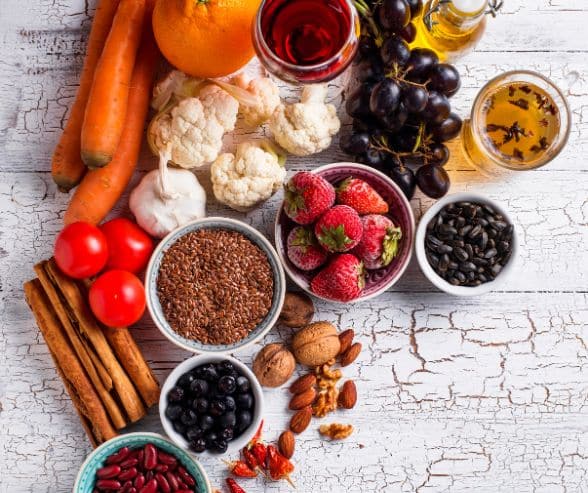
Munching on an ounce of walnuts a day may yield the best benefits, research found.
Cancer-Fighting Superfoods You Can Add To Your Plate Today
If you are searching for everyday foods that quietly support your body’s defences, broccoli, walnuts, garlic and beans are a powerful place to start.
What makes broccoli such a powerful everyday anti-cancer food?
Broccoli helps protect against several cancers because it is rich in a natural compound called sulforaphane, which supports the body’s own detox systems.
Broccoli belongs to the cruciferous family (along with cauliflower, cabbage and kale), but it stands out because it contains a particularly generous dose of sulforaphane. This compound helps your liver’s enzymes break down and flush out potentially harmful chemicals before they can damage cells. Research in animals suggests sulforaphane may also act on cancer stem cells, the troublemakers that help tumours grow and return.
Easy ways to use more broccoli
- Lightly steam florets and drizzle with olive oil and lemon
- Toss into stir-fries with ginger, garlic and sesame seeds
- Roast in the oven until the edges are slightly crisp
- Scatter small florets over homemade pizza or mix into omelettes
For the best effect, avoid overcooking; a gentle steam or quick stir-fry keeps more of the helpful nutrients intact.
How do walnuts support breast and prostate health?
Walnuts support breast and prostate health by supplying healthy fats and plant compounds called phytosterols that may help regulate hormone-related cell growth.
These richly flavoured nuts are packed with omega-3 fats, which help calm inflammation, and phytosterols, which resemble cholesterol in structure but behave very differently in the body. Phytosterols appear to interfere with the way certain hormones, such as oestrogen, interact with cells. This may help slow the growth of hormone-sensitive cancer cells, especially in breast tissue.
Simple ways to enjoy a daily ounce of walnuts (about a small handful)
- Sprinkle over morning porridge or yoghurt with berries
- Add to salads with spinach, apple and a light vinaigrette
- Blend into a pesto with basil, garlic and olive oil
- Keep a small container in your bag or desk for a mid-afternoon snack
Aim for around 28 grams a day – just enough to offer benefits without overwhelming your calorie intake.
Why is garlic more than just a flavour booster?
Garlic supports your body’s defences by helping block the formation of certain carcinogens in the stomach and intestines.
When you crush or finely chop fresh garlic, it releases sulphur-containing compounds. These compounds are thought to interfere with the production of nitrosamines – substances that can form from nitrates in processed meats and some preserved foods. By slowing this process, garlic may help reduce risks linked to cancers of the stomach, colon, oesophagus and breast.
How to get the most from garlic
- Crush or chop a clove and let it rest for 5–10 minutes before cooking
- Stir through tomato sauces, soups and stews
- Rub onto toasted wholegrain bread with olive oil and fresh tomato
- Add raw, finely chopped garlic to salad dressings and dips for extra punch
That brief resting time after chopping allows helpful enzymes in the garlic to do their work, boosting the beneficial compounds.
Can humble beans really help protect against cancer?
Beans can support a healthy gut environment and produce protective fatty acids that may help reduce the risk of breast and colon cancer.
Black beans, navy beans and other pulses are rich in fibre and resistant starch. When this fibre reaches the large intestine, friendly gut bacteria ferment it and produce short-chain fatty acids such as butyrate. In high enough amounts, butyrate appears to have a calming, protective effect on the cells lining the colon. Studies in animals also suggest that dried beans may help reduce the likelihood of breast tumours forming.
Easy ways to add beans a few times a week
- Stir black beans into chilli or tortilla soup
- Toss chickpeas or cannellini beans into mixed salads
- Blend white beans with lemon and garlic as a creamy spread
- Serve a side of stewed beans with brown rice and vegetables
Aim for around half a cup of cooked beans per serving, several times a week, to build the habit without upsetting your digestion.
How can you bring these superfoods into everyday family meals?
You can build a cancer-smart plate by combining these foods in simple, family-friendly dishes you already enjoy.
Think of them as building blocks rather than “special diet” foods. A typical week might include a broccoli and bean stir-fry one night, wholewheat pasta with tomato-garlic-walnut pesto another, and a Sunday roast with garlicky broccoli on the side. Keep tins of beans in the cupboard, a bag of walnuts in the fridge, a garlic bulb on the counter and a head of broccoli in the crisper, and you always have the core ingredients for a protective, colourful meal.
Quick pairing ideas
- Wholegrain pasta with tomato, garlic, broccoli and crushed walnuts
- Tray-baked broccoli and chickpeas with garlic, lemon and olive oil
- Mixed bean salad with walnuts, herbs and a citrus dressing
- Vegetable soup finished with broccoli florets and a swirl of garlicky oil
FAQ section
Are these foods a cure for cancer?
These foods do not cure cancer, but they can support a healthier internal environment that may help lower risk over time. They work best as part of an overall healthy lifestyle including physical activity, good sleep and not smoking.
How often should I eat these superfoods?
Aim to include at least one of them most days of the week. For example, broccoli three or four times a week, beans two or three times, a small handful of walnuts daily and garlic in cooking whenever it suits the dish.
Can children eat these foods too?
Yes, these are family-friendly choices. Just adjust textures for age – for example, chopping walnuts finely for younger children and making smooth bean spreads instead of whole beans if they are fussy eaters.
Is fresh better than frozen?
Fresh is wonderful, but frozen broccoli and frozen mixed beans are also excellent options. They are often frozen soon after harvest, preserving many of the nutrients, and they make it easier to prepare healthy meals quickly.
What if I do not like the taste of garlic or broccoli?
Start small and pair them with flavours you already enjoy. Roasting broccoli with a little olive oil and sea salt can transform the taste, and using garlic in mild dressings or dips can be gentler than eating it raw on its own.