

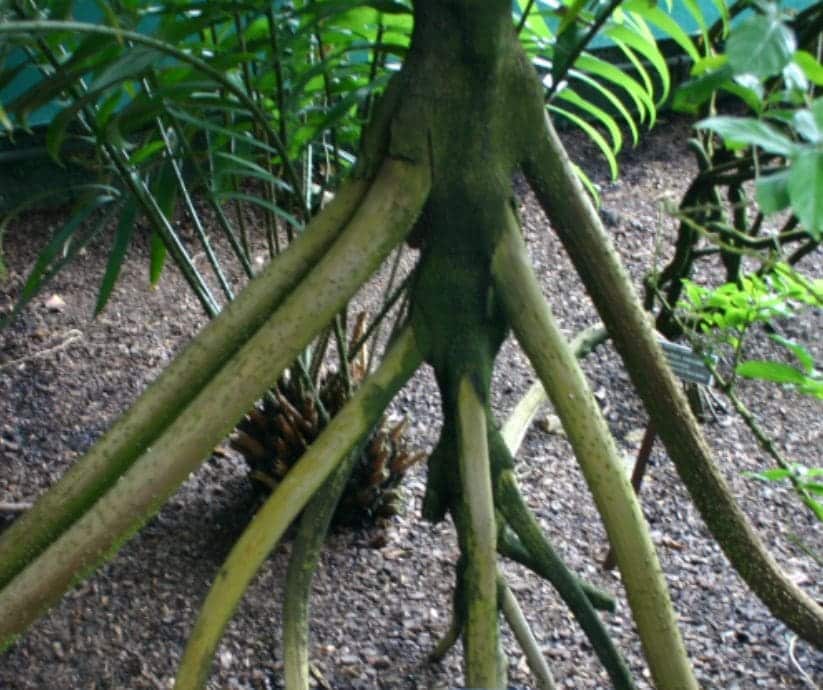
The Walking Palms of Costa Rica: Nature’s Own Mobile Home
In the lush rainforests of Costa Rica, there’s a tree that takes the phrase “up and move” to a whole new level. Meet the Socratea exorrhiza, better known as the walking palm or the cashew-on-stilts (okay, maybe not the last one, but wouldn’t that be something?). This tree is the real estate mogul of the plant world, constantly on the lookout for better living conditions.
Now, you might wonder, how does a tree, typically the epitome of being rooted in one spot, manage to move? Well, the walking palm isn’t sprinting around, so don’t expect a high-speed chase in the jungle. It’s more like watching paint dry, but somehow, this tree makes even that seem exciting. The walking palm’s secret? Its roots. Unlike other trees, it grows new roots that can reach out towards more favorable sunlight conditions and nutrients, while letting old roots die off. Essentially, it does the slow-motion version of picking up its roots and tiptoeing to a sunnier spot.
Finding these incredible trees isn’t just a walk in the park—it’s a hike through the rainforest! The walking palms are native to the tropical forests of Central and South America, with a high concentration in Costa Rica’s protected areas. For the best chance to see these mobile homes in action, head to places like Corcovado National Park or the remote stretches of the Gandoca-Manzanillo Wildlife Refuge. These areas not only give you a glimpse of the walking palms but also offer a full suite of rainforest biodiversity, from screaming monkeys to stealthy jaguars.
When planning your tree-spotting adventure, remember that these regions are as wild as they get. Bring your best hiking boots, a good sense of humor, and maybe a compass—just in case you find yourself following a walking palm on its slow journey to a better spot!
This tree truly takes “moving house” to a whole new, literal level, making it a must-see for any nature enthusiast or anyone who’s ever thought about relocating but finds packing boxes too daunting.