
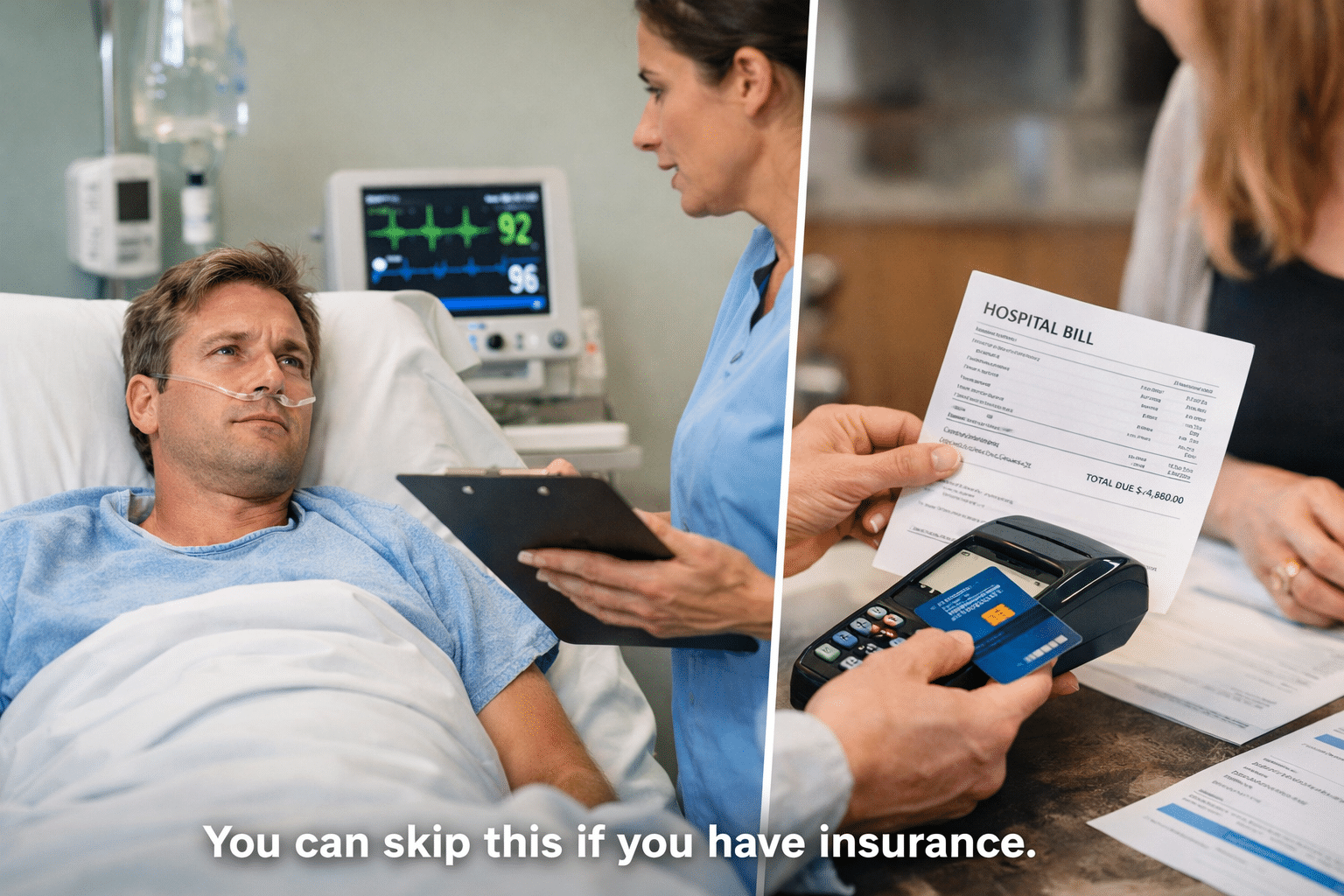
“We’re healthy—we never need a doctor.”
It’s a comforting belief, and a common one. Many people who relocate to places like Guanacaste arrive in good health, drawn by sunshine, activity, and a lifestyle that feels lighter and freer. It’s easy to assume that because life feels better, risks somehow shrink alongside the stress you left behind.
But health doesn’t always follow that script.
What tends to get overlooked is how quickly things can change. A slip on uneven pavement, a minor infection that escalates, or simply the wear and tear of an active lifestyle can turn a normal day into something far more serious. The irony is that feeling your best can sometimes make you less prepared for when things go wrong.
Why Do Health Emergencies Often Come Unexpectedly?
Health issues rarely give a warning.
Even people who exercise regularly, eat well, and maintain a balanced routine can face sudden medical concerns. Living in a more relaxed environment can sometimes lead to lowered vigilance, especially when daily life feels less rushed and more enjoyable.
Common triggers include:
- Increased outdoor activities leading to accidents or injuries
- Changes in diet or environment affect the body differently
- Delayed check-ups due to feeling “fine.”
- Infrastructure challenges like uneven roads or limited pedestrian pathways
The result is a quiet build-up of risk that often goes unnoticed—until it doesn’t.
When Are Emergencies Most Likely to Happen?
Most emergencies occur outside traditional working hours.
It’s easy to assume that help is always readily available, but timing matters more than people realise. Standard working hours account for less than a quarter of the week, meaning the majority of incidents occur when support systems are less accessible.
This includes:
- Evenings when families are winding down
- Weekends when routines are more relaxed
- Holidays when services may be limited
Being aware of this simple fact changes how you think about preparedness. It’s not just about access—it’s about access at the right time.
What Makes Living in Costa Rica Unique for Health Risks?
Lifestyle shifts can introduce new types of risk.
Costa Rica offers an incredible quality of life, but it also comes with environmental and cultural differences that can catch newcomers off guard.
Some factors to consider:
- Tropical climates can influence hydration, infections, and fatigue
- Outdoor living increases exposure to physical hazards
- Rural or semi-urban areas may have limited immediate access to care
- Driving conditions and road quality can vary significantly
None of these is a reason for concern on their own, but together they create a different risk landscape than many are used to.
How Can You Stay Prepared Without Living in Fear?
Preparation is about awareness, not worry.
The goal isn’t to become anxious—it’s to stay realistic. Knowing that unexpected situations can arise allows you to respond calmly rather than react in panic.
Simple steps include:
- Keeping emergency contacts easily accessible
- Knowing the nearest medical facilities
- Having a plan for transportation in urgent situations
- Staying consistent with routine health check-ups
Preparedness doesn’t disrupt the Pura Vida lifestyle—it supports it.
Why Is Support During Emergencies So Important?
Having someone available when you need help can make all the difference.
Emergencies are rarely convenient. They don’t wait for business hours or ideal conditions. When something happens, what matters most is timely guidance and the ability to act quickly.
Support during these moments can help with:
- Navigating local systems and services
- Reducing stress during high-pressure situations
- Ensuring faster and more effective decision-making
It’s not about expecting the worst—it’s about being ready for the unexpected.
Frequently Asked Questions
Is it really necessary to think about health risks if I feel fine?
Yes, because many health issues develop suddenly without prior symptoms.
Are accidents more common in active lifestyles?
Increased activity can raise risk exposure, especially in unfamiliar environments.
What’s the biggest mistake people make regarding health abroad?
Assuming that feeling healthy today guarantees the same tomorrow.
How can I prepare without overcomplicating things?
Focus on basic awareness, emergency contacts, and understanding your surroundings.
Does location affect access to medical help?
Yes, especially in rural or less developed areas where response times may vary.