The Undeniable Impact of Sustainable Fashion
In today’s dynamic world, sustainable fashion stands as a beacon of hope and change, commanding attention from industry magnates and consumers alike. At its core, sustainable fashion represents a paradigm shift in how clothing is sourced, manufactured, and consumed. It’s no longer just about aesthetic appeal or seasonal trends; it’s about creating a positive environmental and social footprint.
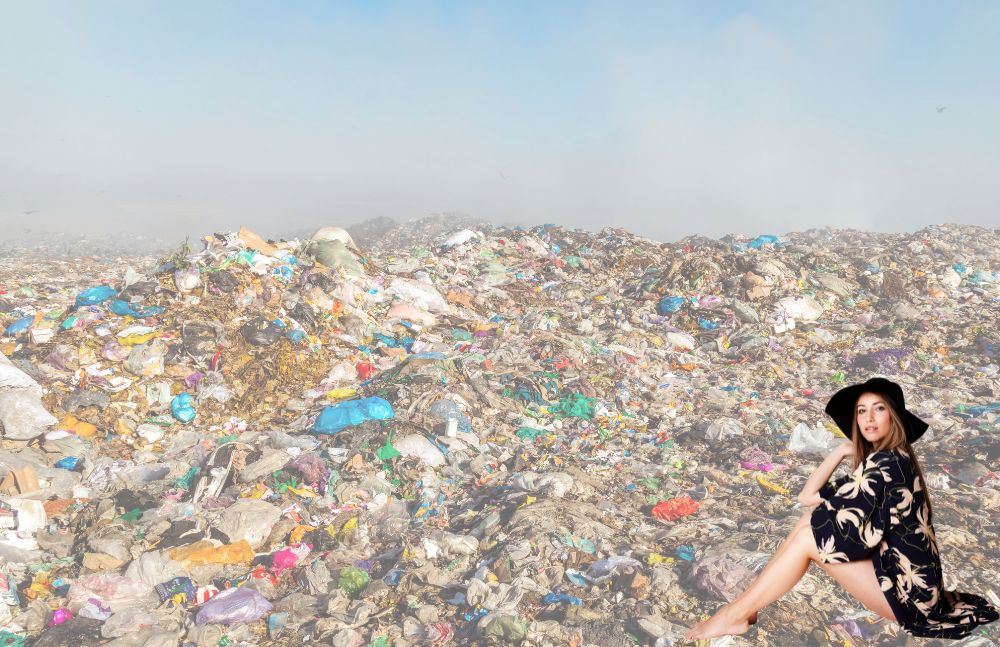
One cannot overstate the environmental consequences of traditional fashion. The industry, notoriously dubbed the second-largest polluter, has left an indelible mark on our ecosystems. From the excessive water usage in denim production to the chemical runoffs from synthetic dyeing processes, the repercussions are widespread. Enter sustainable fashion, which emerges as the antidote. Prioritizing eco-friendly materials, such as organic cotton or bamboo, the sustainable fashion movement looks to drastically reduce the industry’s environmental toll.
However, the conversation doesn’t end with just materials. Sustainable fashion delves deep into the ethics of production. It challenges the age-old practices of underpaying workers or maintaining subpar working conditions in factories. Ethical production has become a cornerstone of the sustainable movement, ensuring not just ecological balance but also social justice.
Yet, challenges persist. The higher costs associated with sustainable materials and ethical practices sometimes deter consumers. Moreover, the convoluted supply chain, rife with middlemen, poses hurdles in ensuring end-to-end sustainability. However, the industry is innovating. Brands, both big and small, are increasingly adopting transparent practices, aided by technology like blockchain, to provide a clear trace of a product’s journey.
It’s worth noting the vanguards of this movement. Brands like Patagonia and Stella McCartney are no longer outliers but trendsetters, pioneering practices that many others now emulate. Their commitment ranges from utilizing recycled materials to vehemently opposing animal cruelty in fashion.
Sustainable fashion is not a fleeting trend; it’s the very future of the industry. As we move forward, it’s imperative to recognize its impact and potential. After all, each clothing item we choose has a story, an origin, and an impact, and it’s high time we, as consumers, prioritize those that benefit not just us but also our planet.