The Role of Sugar Cane in Costa Rica’s Economy
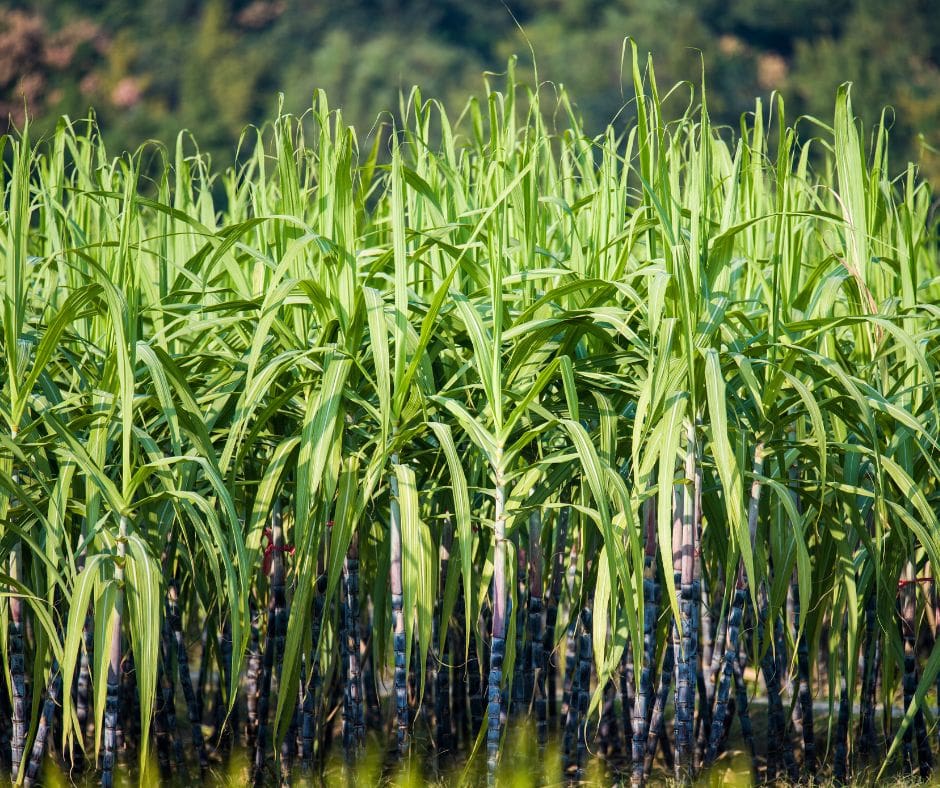
Sugar cane has been a vital part of Costa Rica’s agricultural economy for centuries. While it may not overshadow coffee or bananas in economic impact, it remains a significant industry supplying both local and global markets. Over the years, Costa Rica’s sugar sector has embraced sustainable practices, balancing economic importance with environmental responsibility.
Sugar Cane Growing Season and Harvesting Cycle
Costa Rica’s tropical climate provides ideal conditions for sugar cane cultivation. The growing cycle lasts between 12 to 18 months, depending on the variety and region. Farmers typically plant sugar cane in May or June, aligning with the rainy season to maximize growth. The harvest season occurs from December to April, during the dry period, ensuring easier cutting, processing, and transportation.
Each sugar cane field is harvested once per year, but ratoon crops—new growth from the original plant—allow multiple harvests before replanting, improving efficiency and reducing soil disturbance.
Major Sugar Cane Growing Regions in Costa Rica
Sugar cane cultivation is concentrated in several key regions:
- Guanacaste – The Tempisque River Basin is one of the country’s most productive sugar-growing areas, benefiting from advanced irrigation systems.
- Puntarenas – Known for its warm climate and fertile soil, ideal for sugar production.
- Alajuela – A major contributor to national sugar output.
- Cartago and Heredia – These regions also play a role in Costa Rica’s sugar production, though on a smaller scale.
Sustainability in the Costa Rican Sugar Industry
The Costa Rican sugar industry has taken steps toward sustainability by implementing eco-friendly practices. Many sugar mills use bagasse (the fibrous byproduct of sugar cane) to generate bioenergy, reducing reliance on fossil fuels. Precision agriculture and drip irrigation have also been introduced to optimize water usage.
However, sustainability challenges remain, including the reduction of chemical fertilizers and the prevention of deforestation. As the industry continues evolving, efforts to improve environmental responsibility remain a priority.
Uses of Sugar Cane in Costa Rica
Sugar cane in Costa Rica is primarily processed into three main products:
- Sugar Production (70%) – Includes white and raw sugar for local consumption and export.
- Alcohol and Ethanol (20%) – Sugar cane is refined into alcoholic beverages and ethanol for biofuels.
- Animal Feed & Byproducts (10%) – Molasses and bagasse are used in livestock feed and energy production.
Does Costa Rica Export Sugar?
Yes, Costa Rica exports between 40-50% of its sugar production, mainly to the United States, Canada, and the European Union. The country benefits from trade agreements like CAFTA-DR (Central America-Dominican Republic Free Trade Agreement), which provides favorable conditions for sugar exports. The remaining sugar supplies domestic industries, including food manufacturers, bakeries, and households.
A Brief History of Sugar Cane in Costa Rica
Sugar cane was introduced to Costa Rica by Spanish settlers in the 16th century. Initially, production was small-scale, catering to local consumption. By the 19th and 20th centuries, the industry expanded with the establishment of large-scale sugar mills, increasing both domestic supply and exports.
Today, the Costa Rican sugar industry continues to balance tradition with modern agricultural techniques, ensuring a stable and sustainable future for sugar production.
Costa Rica’s sugar industry remains a vital part of the country’s economy, blending historical significance with modern sustainability efforts. As the industry continues to evolve, its impact on both local markets and international trade will remain strong, showcasing Costa Rica’s commitment to environmentally responsible agriculture.