Costa Rica has always been good at making things—clever, functional, beautiful things that fit the land and the climate. What’s new is the confidence: a generation of makers is taking heritage techniques (woodwork, clay, weaving, metalwork) and pairing them with modern minimalism, sustainable materials, and a boutique-luxury finish. The result feels less like “souvenirs” and more like design you’d happily build a home—and a wardrobe—around.
If you’re travelling in March, this is your sweet spot. The roads are friendly, workshops are open, and you can bring home something that doesn’t just look Costa Rican—it is Costa Rican, with the fingerprints (sometimes literal) to prove it.


What is Costa Rica’s “new design wave”?
It’s the meeting of traditional craftsmanship and contemporary design—clean forms, better materials, and maker-led small production. You’ll see it in:
- Furniture: warm woods shaped into modern silhouettes, often made in small shops rather than factories
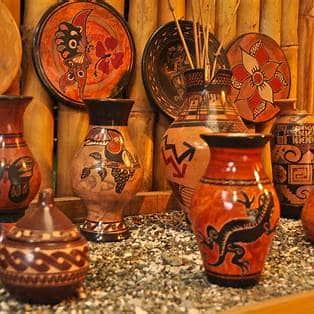
- Ceramics: ancestral techniques paired with refined finishing and contemporary patterns
- Fashion: surf-and-street pieces that prioritise fit, function, and ethical production
- Jewellery + home goods: small-batch work that tells you who made it, not just where you bought it
What makes it distinctly Costa Rican is the blend: tropical practicality (humidity, sun, salt air), local iconography (flora, fauna, geometry), and a growing preference for buying fewer, better-made pieces.
Why does Sarchí still matter in 2026?
Because Sarchí is one of the clearest places to watch heritage craft happening in real time—and it’s still evolving. Sarchí’s fame is tied to woodworking and the iconic painted oxcart tradition, recognised by UNESCO as intangible cultural heritage. (UNESCO Intangible Heritage)
When you visit, don’t just “look at carts”. Pay attention to what the process teaches you about Costa Rican design values: durability, pride of finish, and a visual language that’s bold without being chaotic.
What to look for in Sarchí (beyond the obvious):
- Technique: hand-painting, carving, joinery details, and how pieces are sealed for humidity
- Modern crossover pieces: smaller home objects inspired by oxcart geometry—trays, stools, wall art, decorative panels
- Story: workshops that can explain their materials and process tend to be the ones worth supporting
A practical tip: if a seller can’t tell you who made the piece, where the wood came from, or how it’s finished, you’re not in “maker territory” anymore.
Where do Costa Rica’s best ceramics come from?
Guaitil and San Vicente (Guanacaste) are the heartland for Chorotega ceramic tradition, and buying there is one of the most direct ways to support living heritage. The Ecomuseo in San Vicente is specifically dedicated to Chorotega ceramics and cultural preservation, and it’s a meaningful stop if you want more than a quick purchase. (Ecomuseo de la Cerámica Chorotega)
What “authentic” looks like in Chorotega ceramics:
- Earth-toned clay bodies with natural mineral pigments
- Hand-applied motifs (animals, geometry, pre-Columbian inspired patterns)
- Small variations that prove it’s handmade (perfectly identical usually means mass production)
What to buy if you want pieces you’ll actually use:
- Small bowls and serving plates (easy to pack, daily-use friendly)
- Statement vases (ask about firing and durability)
- One “conversation piece” platter that becomes your dinner-party flex
If you want your purchase to land well: buy direct from a workshop, museum-linked programme, or a seller who can name the artisan and community.
What does “made in Costa Rica” really mean today?
It means the maker controls the materials, the process, and the quality—often in small batches—and can tell you the origin story without guessing. That might include:
- Wood from legal, managed sources (or reclaimed wood)
- Local clay and traditional firing knowledge in ceramics communities (Cultura y Juventud CR)
- Small-run fashion production designed around real coastal living (sun, surf, movement), sometimes using more sustainable fabrics (Dkoko)
The modern shift is transparency: makers increasingly want you to know what you’re buying, not just admire it from a shelf.
Where should you shop to support real makers?
The easiest way is to shop where makers sell directly, or where the venue has a reputation for local sourcing.
Start here in San José:
- Feria Verde (local producers and makers; a strong place to meet the person behind the product) (Feria Verde)
- Museo de Arte y Diseño Contemporáneo (MADC) for contemporary design context and exhibitions that help you “see” what’s emerging (madc.cr)
- Mercado Municipal de Artesanías (San José) for variety—go with a sharp eye and ask questions (Municipalidad de San José)
If you’re flying out of SJO and want last-minute gifts, airport shops sometimes highlight Costa Rican-made items—but still apply the same rule: ask about origin and maker. (sjoairport.com)
What should you look for in surf-inspired Costa Rican fashion?
Look for designs that solve real coastal problems: comfort, movement, sun exposure, salt, and heat—without turning into disposable “holiday clothes”. Costa Rica-based brands often blend surf function with a clean, modern look, and some explicitly use more sustainable textiles. (Dkoko)
Smart buys that travel well:
- A single excellent swim set (fit and fabric matter more than trend)
- Lightweight overshirts, wraps, or resort shirts that work beach-to-dinner
- Handmade jewellery that isn’t “tourist loud” but still feels local
How do you spot cheap imports pretending to be local?
The fastest tell is vagueness: imports come with a sales pitch; local work comes with specifics.
Red flags to watch for:
- “Made in Costa Rica” with no maker name, no workshop location, no material details
- Prices that feel impossibly low for handwork
- Perfect uniformity across dozens of items
- Sellers who get defensive when you ask basic questions
Green flags that usually mean you’ve found the real thing:
- The artisan can explain materials, process, and time
- You see signs of hand-finishing (tiny variations, brush marks, tool marks)
- The seller encourages you to visit the workshop or learn the backstory
What should you ask before you buy?
Ask one or two questions—friendly, curious—and see if the answers are real.
Good questions (simple, voice-search friendly):
- “Who made this?”
- “What is it made from, and where do those materials come from?”
- “How should I care for it in a humid climate?”
- “Is this a one-off or part of a small batch?”
If the answers feel rehearsed but empty, walk away. If you get a proud, nerdy explanation, you’ve probably found your piece.
How do you pack and ship design pieces home safely?
Assume your suitcase will be treated like a football and plan accordingly.
Packing tips that work:
- Wrap ceramics in clothing (denim and knits are best), then place mid-suitcase
- Ask for double boxing on anything fragile
- Photograph the item + receipt before travel
- For furniture or large items, ask about crating and insured shipping and get the details in writing
If you’re taking wood items across borders, check your home country’s rules (and your airline’s policies) before you buy anything big or unfinished.
What are the best “March traveller” design souvenirs?
Choose pieces that feel special but won’t stress you out on travel day.
Best buys for March:
- A medium Chorotega bowl or platter (practical and striking) (Cultura y Juventud CR)
- A small carved or painted wood accent from a heritage craft town like Sarchí (Two Weeks in Costa Rica)
- A locally designed fashion piece you’ll wear all year (not just on holiday) (Dkoko)
- A clean-lined home object that fits modern spaces (candlesticks, trays, vases, textiles)
The goal: one or two pieces you love, not a bag of “stuff”.
FAQ: Quick answers travellers actually ask
What is the best place to buy authentic Costa Rican pottery?
Guaitil and San Vicente in Guanacaste are top choices because the tradition is local and you can buy close to the source. (Ecomuseo de la Cerámica Chorotega)
Is Sarchí worth visiting if I’m not buying furniture?
Yes, because it’s one of the best places to understand Costa Rica’s craft identity, especially the oxcart tradition recognised by UNESCO. (UNESCO Intangible Heritage)
Where can I shop local makers in San José in one morning?
Feria Verde is a strong bet for meeting producers and makers in a market setting. (Feria Verde)
How can I tell if something is truly made in Costa Rica?
Ask who made it, where the materials came from, and how it was produced—real makers can answer quickly and specifically.
Can I find Costa Rican-made gifts at the airport?
Sometimes yes, but apply the same “ask questions” rule and look for clear origin details. (sjoairport.com)