When the wild mountain avocados ripen in San Gerardo de Dota, the forest seems to change character. The cool air sharpens, the cloud forest glows a little greener, and birders begin to say the same thing with a mix of hope and excitement: it’s quetzal time.
The small native avocados, known as aguacatillos, are one of the great seasonal magnets of the highlands. As they ripen, they draw in one of the most dazzling birds in the Americas, the resplendent quetzal. In that moment, San Gerardo de Dota becomes more than a mountain valley. It becomes a stage for one of Costa Rica’s most unforgettable wildlife encounters.
The quetzal is not simply a bird people want to see. It is a bird people dream about.
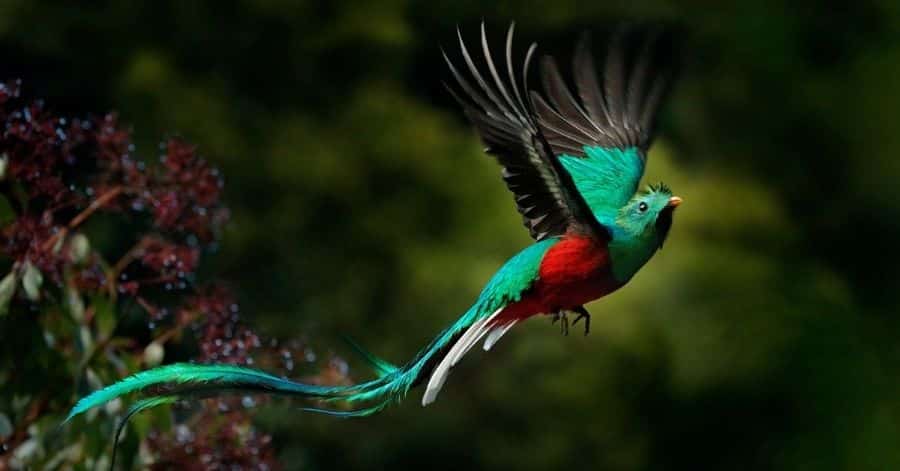
With shimmering emerald feathers, a rich crimson breast, and in males, elegant tail plumes that seem to float behind them like ribbons of silk, the resplendent quetzal looks almost unreal. It is the sort of bird that causes people to stop mid-sentence, raise binoculars slowly, and stare with the kind of wonder usually reserved for miracles. Even in a country famous for scarlet macaws, toucans, hummingbirds, and tanagers, the quetzal stands apart.
Part of that fascination comes from beauty, but part of it also comes from myth.
For centuries, the quetzal has held a powerful place in the imagination of Mesoamerica. Ancient cultures, including the Maya and the Aztec, regarded it as sacred. Its feathers were treasured symbols of prestige, beauty, and divine connection. The bird was associated with freedom, nobility, and spiritual power, and its image became linked to Quetzalcoatl, the feathered serpent deity whose very name carries the bird’s legacy.
Stories grew around the quetzal because it seemed to deserve stories. It was too radiant, too graceful, too elusive to be ordinary. Some traditions viewed it as a symbol of liberty, a creature so pure that it would never thrive in captivity. Others saw it as a bridge between the earthly forest and the heavens above. Whether one approaches the quetzal through mythology, birding, or simple admiration, the result is often the same: it leaves a lasting impression that feels larger than the moment itself.
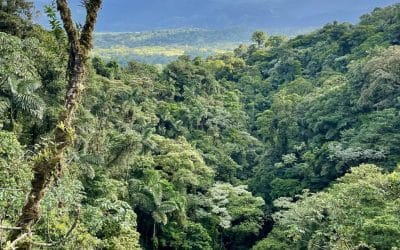
That feeling is especially strong in San Gerardo de Dota, where the setting seems perfectly designed for a bird of legend. Tucked into the Talamanca highlands, the region is a world of mist, oak forest, steep hillsides, rivers, and cool mountain mornings. It has a hush about it, especially at dawn, as though the forest is waiting to reveal something important. Then, when a flash of green appears among the branches of an avocado tree, the anticipation becomes reality.
The relationship between the quetzal and the wild avocado tree is one of nature’s finest partnerships. Quetzals feed heavily on the fruit of these trees, swallowing the small avocados whole. Later, they regurgitate the seeds elsewhere in the forest, helping new avocado trees take root. The trees feed the birds, and the birds help renew the forest. It is a beautifully balanced cycle, and it explains why avocado season is such a prized time for quetzal watching.
When the aguacatillos are ripe, the odds of seeing quetzals improve dramatically. The birds come to feed, perch, glide between branches, and sometimes linger long enough to give observers a proper look. Adult males are the stars of the show, their long tails streaming behind them with impossible elegance. Females are subtler but no less beautiful, with soft green tones and a composed grace that suits the shadowy forest. Juvenile males add another layer of fascination, their shorter tails hinting at the splendour that is still to come.
Watching a quetzal feed is one of those quiet experiences that stays with you. There is no frantic flapping, no noisy display. The bird moves with a calm, measured assurance. It plucks fruit, swallows, pauses, and then disappears or shifts to another branch as if it knows it is being admired. In those moments, it is easy to understand why people speak of quetzals with such reverence. They do not merely decorate the forest; they seem to embody its spirit.
That is also why first sightings feel so emotional. People who have travelled across countries, risen before dawn, and waited patiently in the cold mountain air often find themselves unexpectedly moved when the bird finally appears. It is not only about completing a checklist. It is about standing in a real place, under real trees, while something so storied and beautiful reveals itself above you.
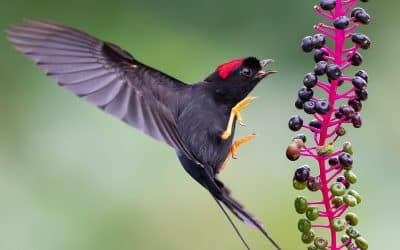
San Gerardo de Dota offers more than the quetzal, of course. The area is rich in birdlife and one of Costa Rica’s most rewarding highland destinations. Trogons, hummingbirds, euphonias, and other mountain species move through the forest, adding colour and sound to every trail and roadside stop. The Savegre River winds through the valley, lodges perch beside the water, and the whole region has the feel of a hidden world built for those who appreciate patience, silence, and detail.
Still, the quetzal remains the great draw, and deservedly so.
It represents something many travellers are searching for, whether they realise it or not: a moment of genuine wonder. Not a staged attraction, not a manufactured thrill, but a real encounter with something rare and wild. In a world that often feels overexposed and overexplained, the quetzal still manages to keep a little mystery. It still arrives as a gift of timing, habitat, luck, and attention.
That mystery is part of the reason the bird remains so powerful in both nature and legend. It is a creature of beauty, yes, but also of symbolism. It reminds us that the natural world can still astonish us. It reminds us that forests are more than scenery; they are living stories, with birds as their messengers and fruiting trees as their invitations. It reminds us that some animals are so deeply woven into the identity of a place that seeing them feels like meeting the soul of the landscape itself.
And nowhere is that more true than in San Gerardo de Dota during avocado season.
When the mountain trees are heavy with fruit, the valley becomes a sanctuary of emerald flashes and suspended breath. A roadside branch can suddenly hold a juvenile male just beginning to wear his future splendour. A quiet viewing point can reveal an adult female poised in the soft morning light. A fruiting tree can become a theatre of motion as one quetzal arrives, feeds, and slips back into the cloud forest, leaving only awe behind.
So yes, avocado season matters. It creates the conditions, brings the birds close, and turns the forest into prime quetzal country. But what it truly brings is something more memorable: the chance to witness a living legend.
The quetzal is not only one of Costa Rica’s most sought-after birds. It is one of the country’s most magical experiences. Ancient myth, ecological brilliance, and breathtaking beauty all meet in one luminous creature. In San Gerardo de Dota, when the aguacatillos are ripe and the morning air is cold, that creature is not just a symbol or a story.
It is there, above you, alive in the branches.
FAQ: Quetzals in San Gerardo de Dota
What is so special about the resplendent quetzal?
The resplendent quetzal is admired for its brilliant green plumage, vivid red breast, and in males, extraordinarily long tail feathers. It is also deeply connected to ancient mythology and has long been seen as a symbol of beauty, freedom, and spiritual significance.
Why is San Gerardo de Dota famous for quetzals?
San Gerardo de Dota is one of the best places in Costa Rica to see quetzals because of its cool cloud forest habitat and the abundance of wild avocado trees, which are a key food source for the birds.
When is the best time to see quetzals in San Gerardo de Dota?
The best time is often when the wild avocados are ripe and during nesting season, because the birds become easier to find in feeding and breeding areas.
What do quetzals eat?
Quetzals mainly eat small wild avocados called aguacatillos, though they also consume other fruits, insects, and small creatures.
How do quetzals help the forest?
After eating avocado fruit, quetzals regurgitate the seeds in different places, helping wild avocado trees spread and grow throughout the forest.
Are quetzals connected to myths and legends?
Yes. The quetzal was sacred to ancient Mesoamerican cultures such as the Maya and Aztec, and it became associated with ideas of divine power, nobility, and freedom.
What does the quetzal symbolize?
The quetzal is often seen as a symbol of liberty, spiritual beauty, and the untamed heart of the forest.
Can beginners see quetzals, or is it only for experienced birders?
Beginners can absolutely see quetzals, especially in San Gerardo de Dota during the right season. Good local guides and known viewing areas make sightings far more accessible.
What other birds might I see in San Gerardo de Dota?
Visitors may also spot trogons, hummingbirds, euphonias, and many other highland bird species, making the area a remarkable destination for birdwatching.
Why does seeing a quetzal feel so magical?
Its extraordinary appearance, rarity, silent elegance, and deep mythological history all combine to make the experience feel unforgettable.
#howlermag #howlermagazine