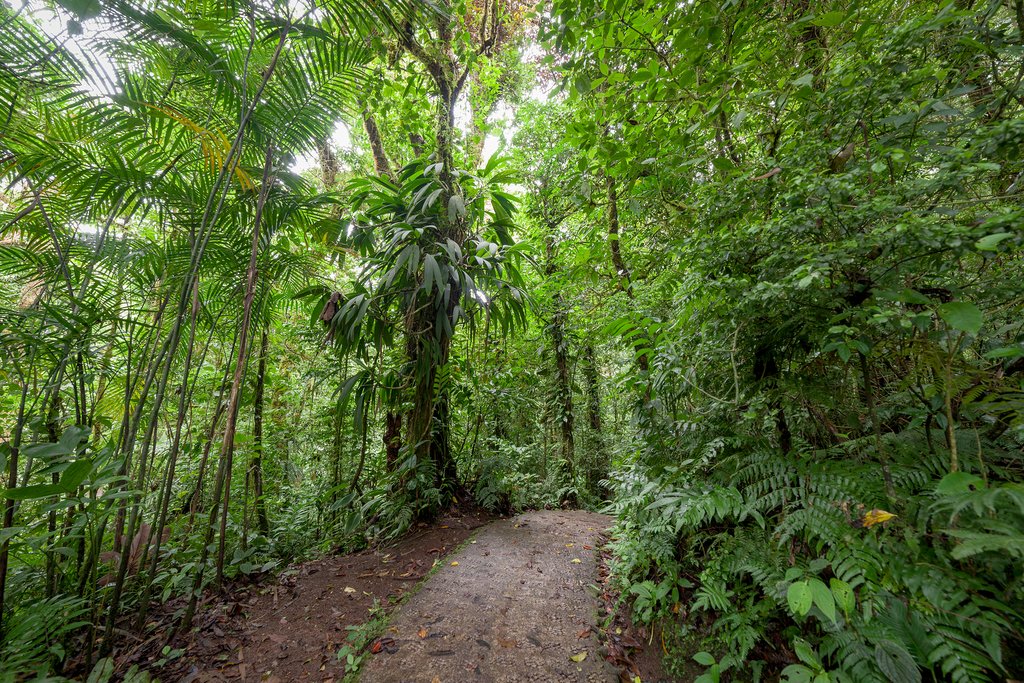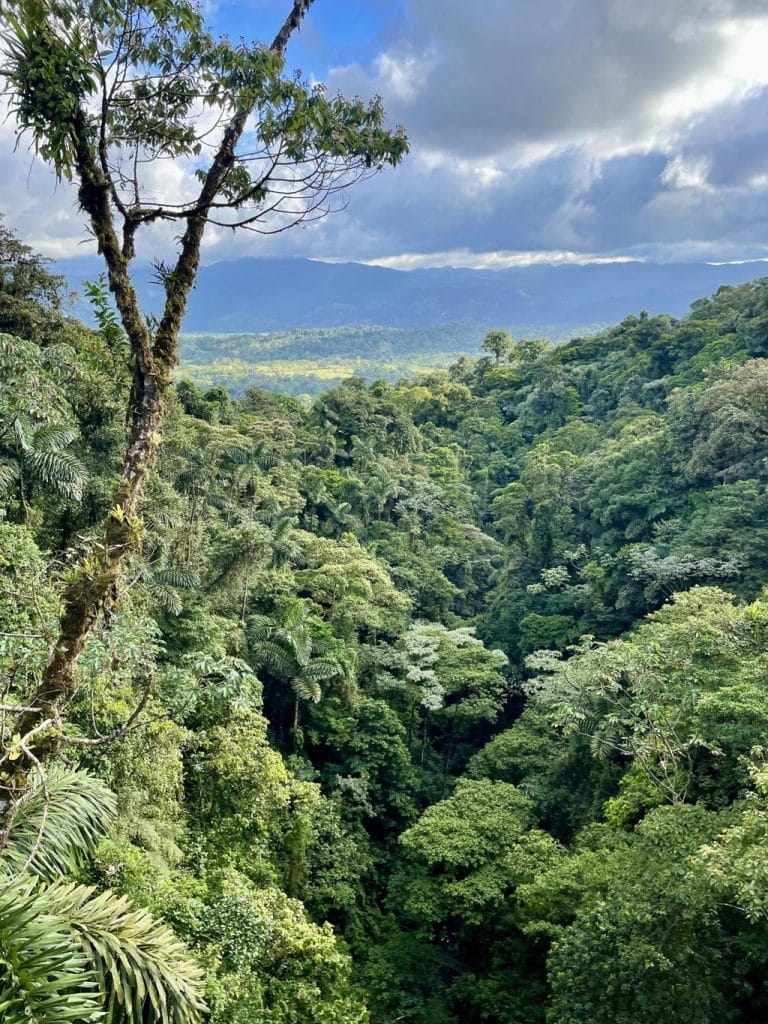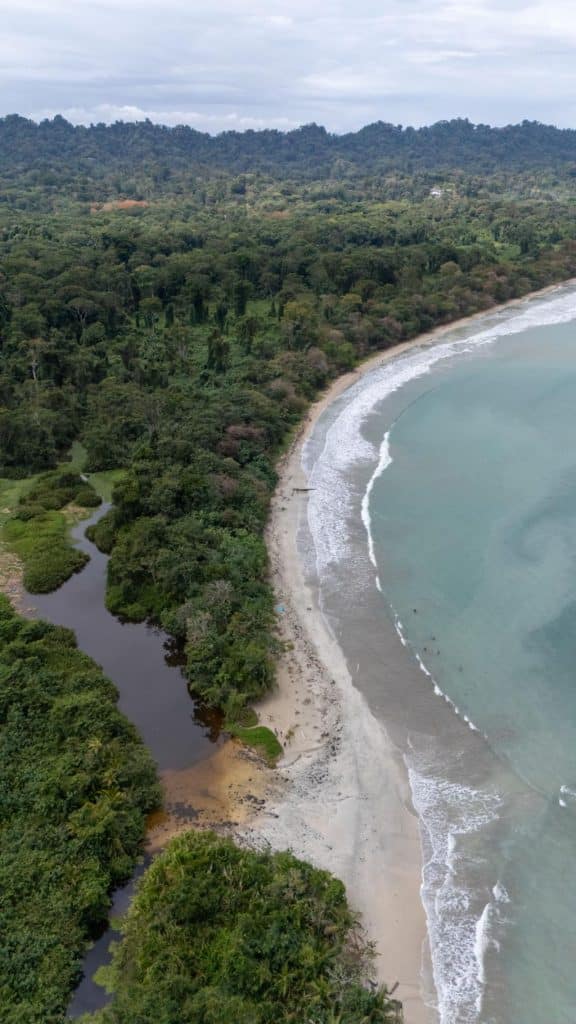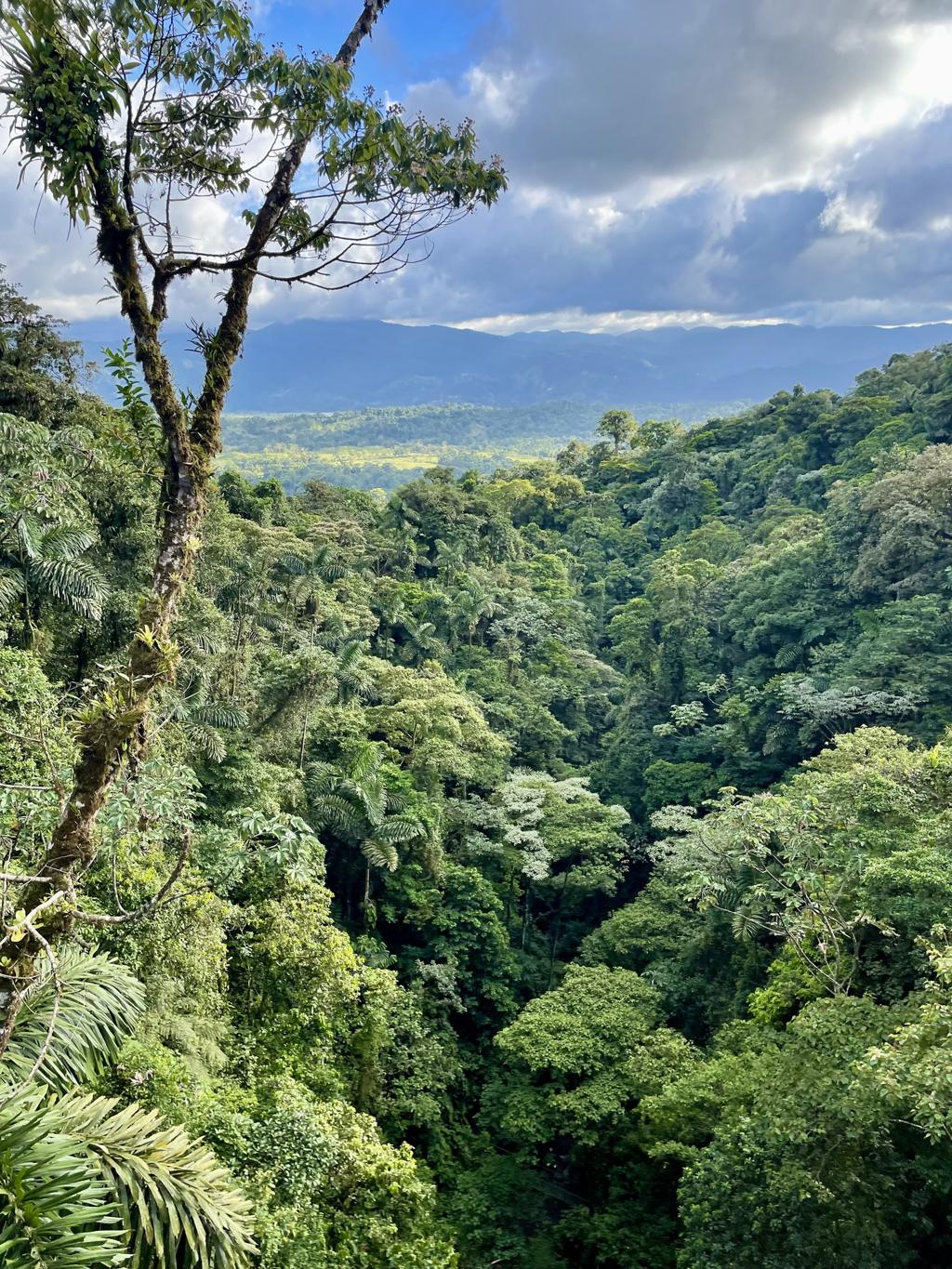
Costa Rica’s national parks remain one of the country’s greatest global success stories in conservation. With nearly 30% of its land and marine territory protected, the country continues to lead the world in biodiversity preservation and sustainable tourism. In recent years, visitor numbers to national parks have rebounded strongly as international travel returned and interest in nature-based tourism has surged. At the same time, the need for conservation support has never been greater. Increased visitation, climate pressures, and the ongoing need for infrastructure improvements have placed additional demands on park management and rangers.
This is where organizations like ProParques Costa Rica play a critical role. By mobilizing volunteers, strengthening ranger training, and developing projects that improve visitor access while protecting ecosystems, ProParques continues to help ensure Costa Rica’s protected areas remain resilient and accessible. Their work supports everything from trail restoration and educational programs to innovative sustainability initiatives in some of the country’s most remote parks.
With Costa Rica continuing to be recognized as a global leader in conservation and ecotourism, the efforts of community-driven organizations like ProParques are more important than ever — helping ensure that the country’s parks remain protected, well managed, and inspiring for generations to come.
Getting Things Done
They get things done! That was my foremost thought when undertaking to follow up on the community feature entitled “Park Changers” in Howler’s November 2017 issue (republished in the February 2021 e-magazine). Nearly three years after giving our readers many reasons to be impressed with the accomplishments of ProParques Costa Rica, we were excited to check back and see what the organization has been up to.
After a pleasant conversation with Rocio Echeverri, executive director, and Stephanie Joseph, project manager, I was struck by their sense of community and enthusiasm, no doubt a major reason for their success in getting more things done since we were last in touch.
 True community effort
ProParques Costa Rica is a publicly registered, non-profit, national parks conservation association. Members include academics, environmental activists, entrepreneurs, and tourism professionals. Love of Costa Rica seems to be at the core of their commitment to projects that assure the long-sustainability of the country’s national parks and other protected spaces. With the overall goal of improving the park visitor experience, ProParques strives to meet these two core objectives:
- Continuous professional development and support of park rangers.
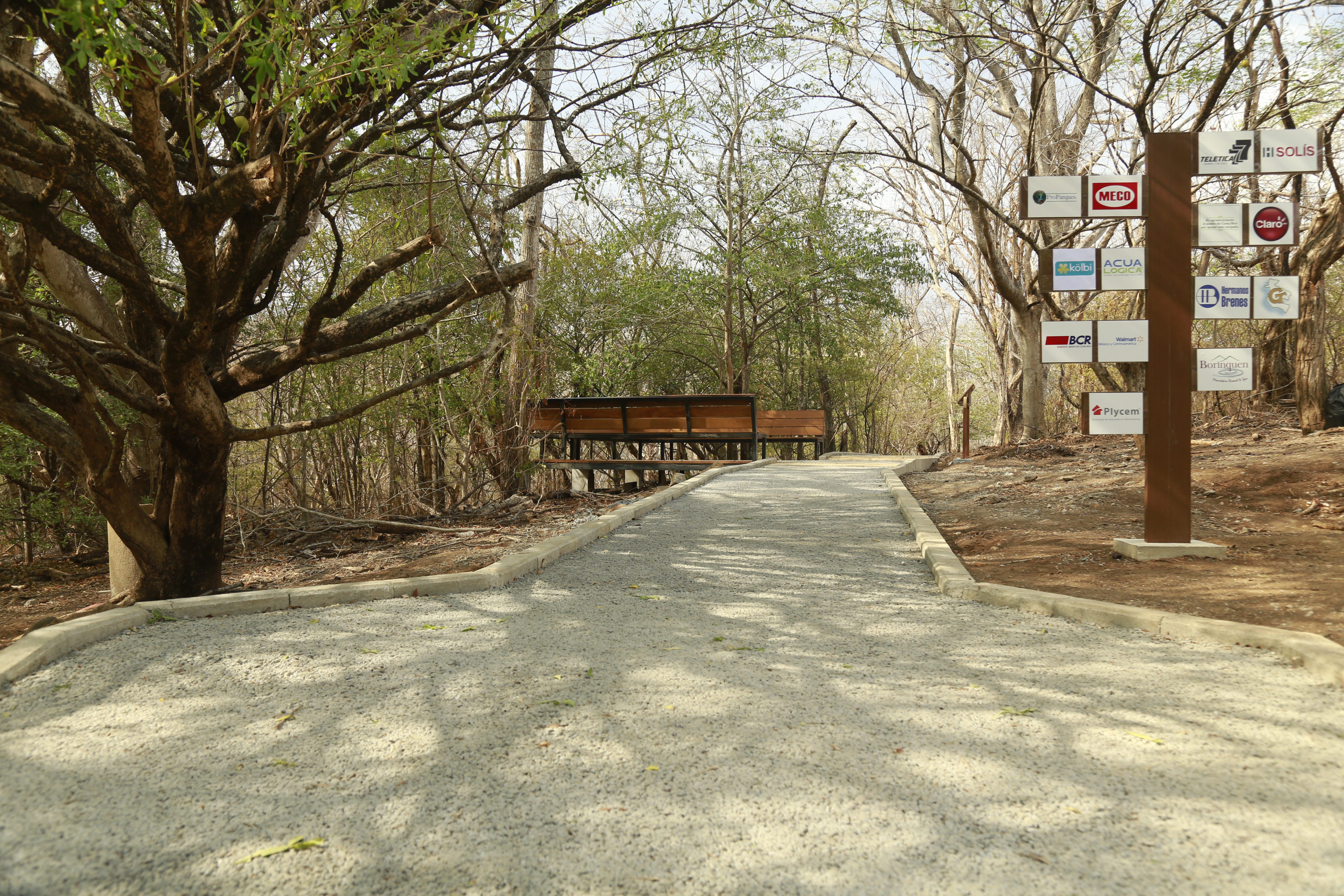
- Enhancements like better trails and more of them, better access and ease of use with helpful signage and customer service.
Specific challenges are addressed by organizing communities committed to protecting the parks, specifically those in their local region. Community involvement is what drives this bus and gives ProParques the fine reputation it has earned.
Based in the Central Valley, ProParques works in 21 protected areas and 10 conservation areas throughout the country. It even has a presence on Isla del Coco, an amazing and sparsely populated island many miles off the south Pacific coast. Sometimes referred to as “Costa Rica’s Galapagos,” Cocos Island is staunchly protected by the National Parks Service for the same reason. So it’s no surprise that ProParques has a presence here.
Park rangers and volunteers
With so many national parks and conservation areas in Costa Rica, ProParques has risen to the challenge of giving them all the attention they deserve. Last year, the association utilized the help of 5,401 volunteers in cooperation with the national parks service.
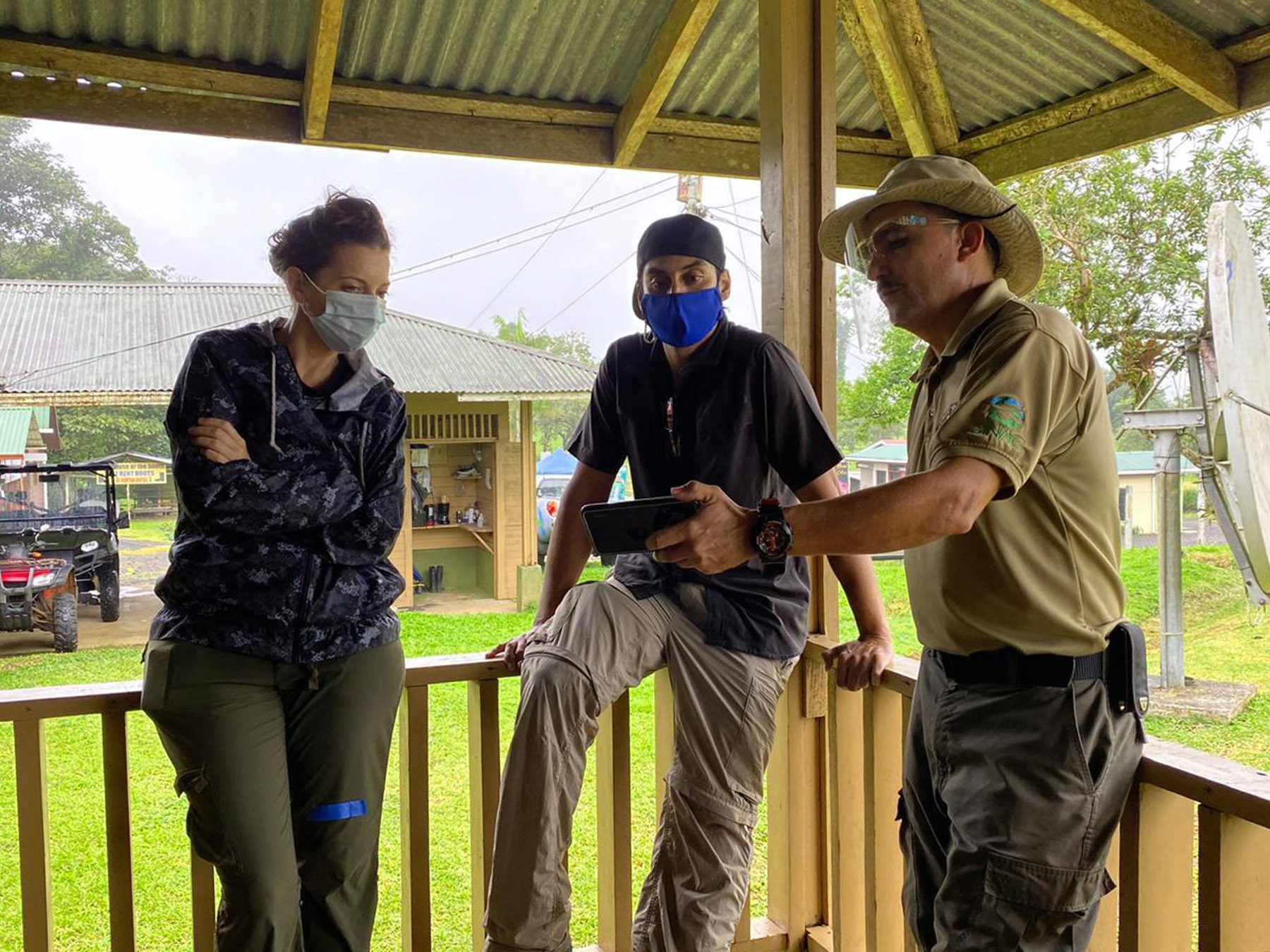
To meet the demand for park rangers, traditionally in short supply, a meticulous, university-level training program was instituted and has been in place for many years now. Rocio Echeverri spoke proudly during our conversation about the third generation of park rangers ready to graduate in November 2020, 19 in the group.
ProParques developed the current customized curriculum that requires two years of training and a thesis to graduate with a diploma. Most of this training is done online, but during the program, rangers are required to meet for two weeks of in-person classes every quarter. Once their program work has been completed satisfactorily, rangers are assigned to a specific park or region for detailed discussions. Their collaborative input is applied to a growing database of new information for sharing with each other.
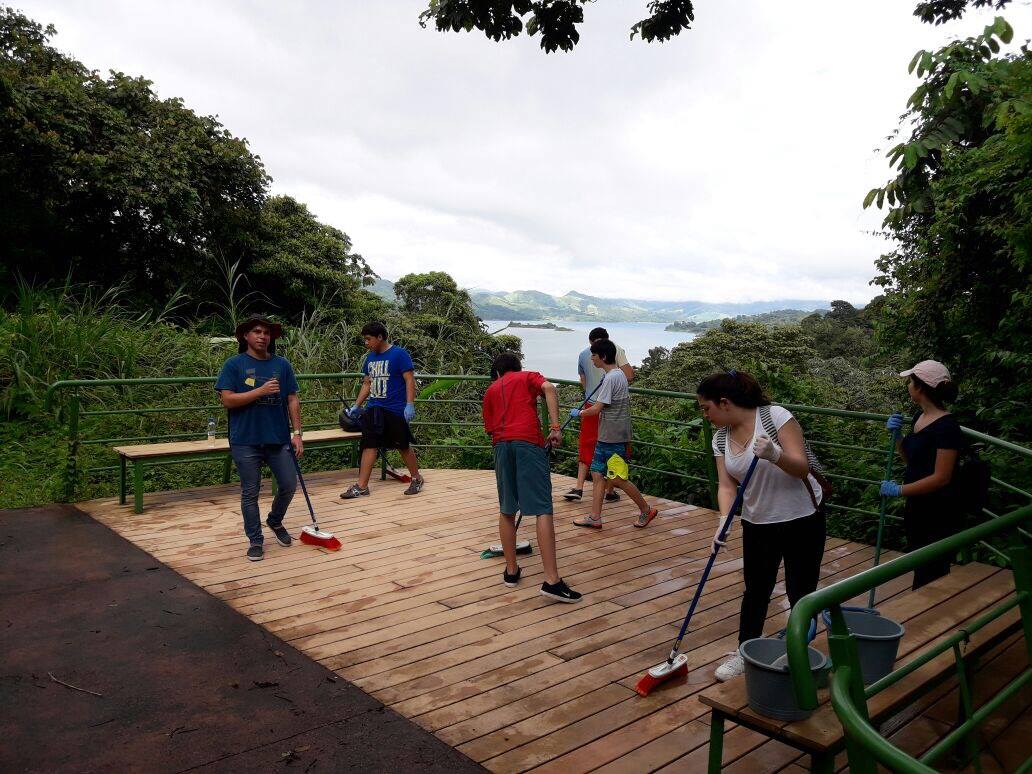
Having an excellent reputation for getting results, in turn, attracts quality people wanting to contribute time and effort to a noble cause, Rocio pointed out. At every stage of starting, finishing and maintaining a project, park rangers and staff work closely with thousands of civilian volunteers who share the same passion for Costa Rica and its parks. Coordinators are keen to know who the volunteers are, and utilize their efforts efficiently to make sure projects are completed quickly and within budget. This fosters a level of participation and an upbeat, positive experience for all involved.
 Then there’s funding
ProParques is NOT government subsidized, Echeverri emphasized, though the government supports the organization in every other possible way. All funding comes from private donations and grants in various forms. This requires a monumental effort on its own, he told me, but ProParques’ reputation helps grease those wheels.
An example of a financially supportive stakeholder relationship would be Costa Rica Por Siempre, an organization that disperses working capital from a fund dedicated to environmental projects. This makes its partnership with ProParques a natural fit.
But ProParques’ hard-earned private-sector alliances are the cornerstone to its funding. While these alliances generate the financing needed for every project and to cover overhead, it doesn’t stop there. Unlike many private sector “donations” that are either a tax dodge or public relations maneuver, involvement with ProParques is a commitment, Rocio stressed.
“We don’t need just your money, we also want your commitment and involvement.”
On top of their financial support for ProParques projects, private-sector contributors and donors are also involved with obtaining the volunteer labor and materials. It’s this mandate that casts a real community vibe to the entire organization, and all the stakeholders and volunteers involved can feel it. This long-standing service to the community is a wonderful and well-documented ProParques success story. The positive reputation and brand recognition precede the organization wherever it goes, and reflects favorably in fundraising efforts.
 Proof in the pudding
The better I got to know Rocio and Stephanie during our interview, the more I was impressed by their pride in ProParques’ efforts and successes. But I was also amazed at how creative they are in finding incredible ways to get things done through sheer determination and relentless effort. It takes much more than a tremor to knock them off course.
And with the team members that Echeverri and Joseph have surrounded themselves with, ProParques can’t seem to go wrong: the park ranger program, the government partnership, the community involvement and philanthropy, and the good ol’ elbow grease of stakeholders and volunteers. They have created a resource pool to accomplish virtually anything they can think up that needs doing.
And man, they can think some stuff up! I could not possibly name all of the ProParques projects here that deserve recognition, or the rangers, stakeholders or volunteers involved. However, to give a sense of what they are all about, I’ve elaborated on one extraordinary accomplishment at Cahuita National Park on Costa Rica’s Caribbean coast.
Read related story, click here: innovations that enable visitors in wheelchairs to access the sand and water.
The Cahuita disabled beach access project is one of numerous ProParques success stories, some of which are described in Howler’s republished 2017 overview.
Another noteworthy initiative was underway at the time of this writing. Stephanie Joseph was on her way to Isla del Coco to monitor progress of a composting system being installed.
The only human footprint on this remote island consists of visitors and volunteers, as well as park rangers, coast guard members, police and firefighters. Only about 15 people inhabit the island at any given time, sharing the sole purpose of protecting this cherished piece of Costa Rica ecology and nature. Living such a great distance offshore, these selfless people have not seen a fresh vegetable in quite some time. This prompted a ProParques project to create a greenhouse, supported by wastewater and compost systems, for growing produce on-site. The facility is isolated from the surrounding ecosystem to prevent the introduction of any invasive plants that don’t normally belong there.
All of this comes back to the focus on making sure all ProParques projects deliver what they promise. Getting things done is how the organization keeps its promise to ensure Costa Rica’s protected spaces stay that way for all to fully experience and appreciate.
Frequently Asked Questions
What is ProParques Costa Rica?
ProParques Costa Rica is a non-profit organisation dedicated to supporting and improving Costa Rica’s national parks and protected areas through ranger training, infrastructure projects, and community partnerships.
How does ProParques support national parks?
The organisation improves trails, signage, and visitor infrastructure, trains park rangers, and coordinates volunteer projects that strengthen conservation efforts.
Does ProParques receive government funding?
No. ProParques operates primarily through private donations, grants, and partnerships, although it works closely with Costa Rica’s national parks system.
Can volunteers participate in ProParques projects?
Yes. Thousands of volunteers assist each year with conservation initiatives, infrastructure improvements, and environmental education programmes.
Where does ProParques operate in Costa Rica?
ProParques works in more than 21 protected areas across 10 conservation regions, including remote locations like Isla del Coco.
Learn more at proparques.org
To volunteer or get involved in any way,
contact Rocio Echeveri, Executive Director:
+506-2267-1851 or rocio@proparques.org