

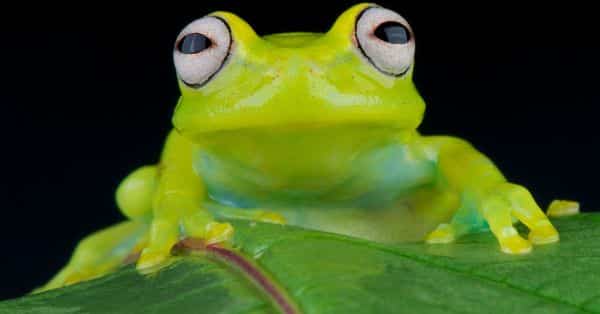
Costa Rica’s endemic wildlife is proof that a small country can hold an entire world of species found nowhere else on Earth. While visitors often come hoping to see sloths, toucans, monkeys and scarlet macaws, many of the country’s rarest animals are far more secretive: cloud forest frogs, tiny hummingbirds, island birds, hidden rodents, rare toads and reptiles living in habitats so specific they almost seem custom-built by nature.
What does “endemic wildlife” mean?
Endemic wildlife means animals that naturally live in one specific place and nowhere else in the wild. In Costa Rica, that may mean a bird found only on Cocos Island, a frog restricted to a mountain stream, or a small mammal living in cool highland forest.
Endemic species matter because their survival depends on the health of one limited range. If that habitat disappears, the species may disappear with it.
Endemic wildlife can be limited to:
- One country
- One island
- One mountain range
- One forest type
- One river system
- One elevation zone
That is why Costa Rica’s protected areas are so important. For some animals, a single forest patch is not just home — it is the whole planet.
Which Costa Rican bird is found only in mangroves?
The Mangrove Hummingbird is found only in Costa Rica’s Pacific mangrove forests. This small, shimmering bird is endemic to the country’s Pacific coast, occurring locally from the Gulf of Nicoya towards the Golfo Dulce.
It is a perfect example of how specialised endemic wildlife can be. The Mangrove Hummingbird depends heavily on mangrove habitat, especially areas with flowering mangrove trees.
Why it matters:
- It is found only in Costa Rica
- It depends on coastal mangrove ecosystems
- It is vulnerable when mangroves are damaged or removed
- It reminds travellers that “wildlife habitat” includes muddy coastal forests, not just glamorous rainforests
A bird this small can carry a very large conservation message.
What birds are found only on Cocos Island?

Cocos Island has several bird species found only there, including the Cocos Finch, Cocos Cuckoo and Cocos Flycatcher. Cocos Island is part of Costa Rica, but it sits far out in the Pacific, creating the isolation that allows unique species to evolve. BirdLife notes that the Cocos Finch is endemic to Cocos Island, around 500 km from mainland Costa Rica.
Cocos Island endemic birds include:
- Cocos Finch
- Cocos Cuckoo
- Cocos Flycatcher
- The Cocos form of Yellow Warbler
These birds are not typical tourist sightings unless someone visits or studies Cocos Island, but they are among Costa Rica’s most geographically exclusive animals. Their entire natural world is a remote, rain-soaked island famous for sharks, seabirds, waterfalls and wild isolation.
Are there mammals found only in Costa Rica?
Yes, Costa Rica has endemic mammals, but they are mostly small, secretive species rather than famous postcard animals. The country’s truly exclusive mammals include highland rodents and pocket gophers, many of them living in specialised mountain habitats.
A scientific review of Costa Rican mammals notes that the greatest mammal endemism occurs in high elevations, and that most endemic mammals are mice.
Examples include:
- Variable Pocket Gopher
- Mountain Spiny Pocket Mouse
- Other small highland rodents
- Certain mice associated with cloud forest and mountain habitats
These animals may not sell many souvenirs, but they matter enormously. Small mammals help shape soils, move seeds, feed predators and keep ecosystems functioning quietly beneath the forest drama.
Which amphibians are unique to Costa Rica?
Costa Rica has many endemic amphibians, especially frogs, salamanders and caecilians. Amphibians are one of the country’s most important endemic groups because many species are tied to cool streams, cloud forests and wet mountain habitats.
Costa Rica is home to more than 200 known amphibian species, according to the Costa Rican Amphibian Research Center. Within that diversity are species found only in Costa Rica, including rare frogs and toads with very limited ranges.
Endemic amphibians may include:
- Stream frogs
- Glass frogs
- Rain frogs
- Salamanders
- Caecilians
- Mountain toads
Amphibians are especially sensitive to climate change, disease, pollution and habitat loss. When frogs vanish, forests are often warning us before we are ready to listen.
What is the story of Holdridge’s Toad?
Holdridge’s Toad is a Costa Rican endemic species once believed extinct before being rediscovered. The IUCN states that the species was previously known from Volcán Barva, was considered extinct, and was rediscovered in 2010 after decades without confirmed records.
Its story feels almost mythical: a tiny toad disappears into the cloud forest, is written off as gone, then returns like a whisper from the wet leaves.
Holdridge’s Toad teaches three important lessons:
- Extinction can happen quietly
- Rediscovery does not mean safety
- Small habitats can hold irreplaceable life
It is a hopeful story, but not a comfortable one. A species found again still needs the forest that kept it hidden.
Are Costa Rica’s famous animals endemic?
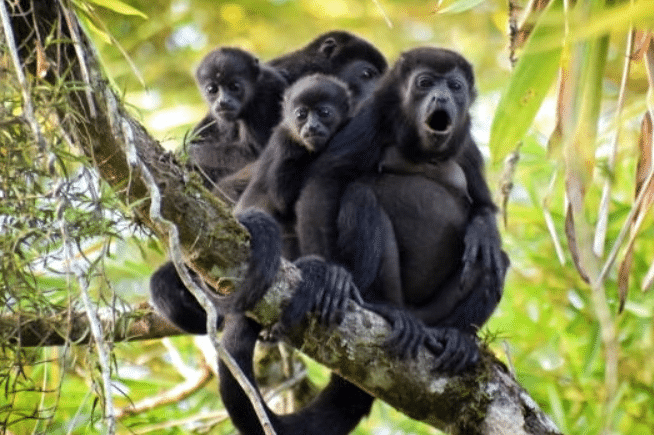
No, many of Costa Rica’s most famous animals are native but not endemic. Sloths, howler monkeys, jaguars, toucans, scarlet macaws and sea turtles live in Costa Rica, but they also occur in other countries.
That does not make them less important. It simply means they are not found only in Costa Rica.
Famous native but not Costa Rica-only animals include:
- Two-toed and three-toed sloths
- Mantled howler monkeys
- White-faced capuchins
- Jaguars
- Baird’s tapirs
- Keel-billed toucans
- Scarlet macaws
- Poison dart frogs
- Sea turtles
The distinction matters for accurate wildlife storytelling. Costa Rica is rich in both native wildlife and endemic wildlife, but they are not the same thing.
Where can travellers learn about endemic wildlife?
Travellers can learn about endemic wildlife in cloud forests, national parks, biological reserves, mangroves and specialised nature tours. Some endemic species are hard to see, but understanding where they live adds meaning to any wildlife trip.
Good places to appreciate endemic biodiversity include:
- Monteverde cloud forest region
- Cordillera de Talamanca
- Central volcanic mountain areas
- Pacific mangroves
- Cocos Island, for specialised expeditions
- Research stations and biological reserves
- Guided birding and herping tours
A knowledgeable guide can turn a quiet forest walk into an eye-opening lesson. Sometimes the most important animal is not the loudest one in the canopy, but the rare frog calling from a stream bank after dark.
Why does Costa Rica protect so much land?
Costa Rica protects land because its biodiversity depends on connected, healthy habitats. Endemic animals are especially vulnerable because they cannot simply move to another country if their habitat is destroyed.
Protecting endemic wildlife means protecting:
- Cloud forests
- Mangroves
- Mountain streams
- Wetlands
- Island ecosystems
- Dry forests
- Rainforest corridors
- High-elevation habitats
For travellers, this creates a responsibility. The goal is not just to see wildlife, but to support the places that allow wildlife to remain wild.
Why should travellers care about animals they may never see?
Travellers should care about unseen endemic animals because they are part of what makes Costa Rica globally extraordinary. A country’s natural wealth is not measured only by easy sightings.
The rare mouse under the roots, the tiny hummingbird in the mangroves, the rediscovered toad in the mist and the Cocos Island finch all belong to the deeper story. They are reminders that Costa Rica is not a wildlife theme park. It is a living archive of evolution, survival and ecological precision.
Some treasures do not pose for cameras. They simply keep the forest whole.
FAQ
What animals are only found in Costa Rica?
Animals found only in Costa Rica include species such as the Mangrove Hummingbird, Cocos Finch, Cocos Cuckoo, Cocos Flycatcher, Holdridge’s Toad and several endemic frogs, salamanders, rodents and reptiles.
Are sloths endemic to Costa Rica?
No, sloths are native to Costa Rica but not endemic. They also live in other countries in Central and South America.
What is the most famous endemic bird in Costa Rica?
The Mangrove Hummingbird is one of the best-known birds found only in Costa Rica, especially because it depends on Pacific mangrove habitats.
Are there endemic mammals in Costa Rica?
Yes, but most endemic mammals are small and secretive, such as highland mice, spiny pocket mice and pocket gophers.
Is the Golden Toad still found in Costa Rica?
No confirmed living population of the Golden Toad is known today. It was famously associated with Monteverde and is widely regarded as extinct.
What is special about Cocos Island wildlife?
Cocos Island has species found nowhere else, including endemic birds such as the Cocos Finch, Cocos Cuckoo and Cocos Flycatcher.
Why are Costa Rica’s amphibians so important?
Amphibians are important because they indicate ecosystem health and many Costa Rican species are highly sensitive to climate, disease and habitat changes.
Can tourists see Costa Rica’s endemic species easily?
Some endemic birds may be seen with specialist guides, but many endemic amphibians, reptiles and mammals are difficult to find without expert help.
What habitats are most important for endemic wildlife?
Cloud forests, mangroves, mountain streams, highland forests, dry forests and island ecosystems are especially important for endemic wildlife.
How can visitors help protect Costa Rica’s endemic animals?
Visitors can help by hiring responsible guides, staying on trails, supporting conservation areas, avoiding wildlife disturbance and choosing eco-conscious tourism operators.



Howler Staff are John, Terry and whomever else we can get to write great articles.