

There’s something quietly magical about stepping into a Costa Rican garden and realising that half the greenery around you isn’t just decorative—it’s medicinal. From fragrant herbs that double as natural pest repellents to trees revered for centuries, this country offers a living pharmacy right outside your door.
Why are medicinal plants so abundant in Costa Rica?
Because Costa Rica’s volcanic soil, varied elevations, and dual coastlines create ideal growing conditions for diverse plant life.
Costa Rica’s geography is a natural advantage. Rich volcanic soil feeds plant life across microclimates that range from misty highlands to humid coastal jungles. This combination allows over 100 medicinal plant species to thrive, many of which grow wild or require minimal care.
You’ll find:
- Tropical plants flourish in lowland heat
- Hardy species adapting to mountain elevations
- Coastal varieties thriving in salty, humid air
It’s not just biodiversity—it’s accessibility. Many of these plants grow in back gardens, along roadsides, or even as what some might dismiss as “weeds.”
Which common plants have surprising healing uses?
Many everyday plants in Costa Rica offer powerful medicinal benefits when used correctly.
Take the humble dandelion. Often overlooked, it’s a powerhouse of natural healing.
- Helps with liver and kidney function
- Acts as a mild laxative
- Traditionally used for gout and rheumatism
- Roasted roots can be brewed as a coffee alternative
In places like Monteverde and Nosara, dandelions are now even cultivated for their health benefits.
Another standout is the avocado tree—far more than a source of guacamole.
- Grated avocado seeds can be applied to skin infections
- Leaf tea is used for flu, fever, and digestive issues
- Some traditions even link it to blood pressure support
In Guanacaste and Tarrazú, these trees are both agricultural staples and medicinal allies.
Can garden plants really protect your home?
Yes, some plants naturally repel pests while offering additional health benefits.
Lavender is a perfect example. While people adore its calming scent, scorpions avoid it entirely. That makes it a popular choice for Costa Rican gardens—not just for relaxation, but for protection.
Other dual-purpose plants include:
- Basil: antibacterial properties and digestive aid
- Garlic: immune booster and natural antimicrobial
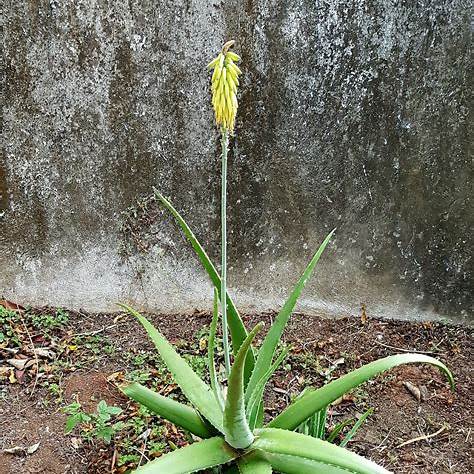
- Aloe vera: soothing for burns, cuts, and skin irritation
These plants blur the line between kitchen, medicine cabinet, and home defence system.
What are Costa Rica’s most powerful traditional medicinal plants?
Certain native plants have been used for centuries due to their potent healing properties.
The pink trumpet tree, known locally as cortez negro, is one of the most revered.
- Bark contains antiseptic and antibacterial compounds
- Traditionally used for infections and inflammation
- Some studies suggest potential anti-cancer properties
This tree thrives in Costa Rica’s flatlands and savannas and has deep roots in indigenous healing traditions.
On the Caribbean side, the diversity continues.
- Gavilana (jackass bitters): used as a tea for infections, fever, and parasites
- Dormilona (sensitive plant): leaves brewed for pain relief and sleep support
If you’ve ever touched a dormilona leaf and watched it fold inward, you’ve already met one of nature’s most fascinating healers.
Are traditional remedies still relevant today?
Yes, many traditional plant-based remedies are gaining renewed attention for their effectiveness and sustainability.
Modern medicine is increasingly revisiting what older generations already knew. Plants like ginger, chamomile, and hibiscus have stood the test of time.
Examples include:
- Ginger for digestion and inflammation
- Chamomile for relaxation and sleep
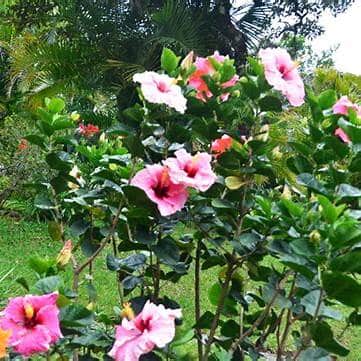
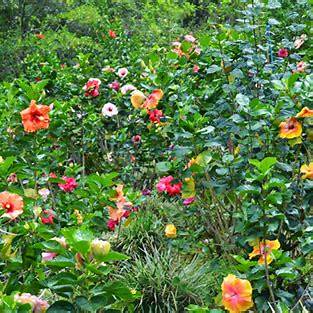
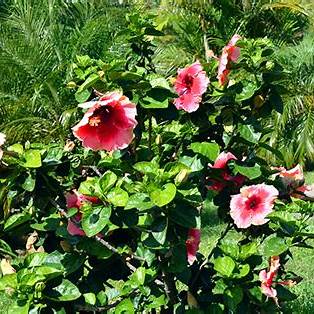
- Hibiscus for easing menstrual discomfort
- Papaya for supporting healthy blood pressure
What was once dismissed as folklore is now being validated by science—and embraced again by those seeking natural alternatives.
Where can you learn more about Costa Rica’s medicinal plants?
Ed Bernhardt’s book offers one of the most comprehensive guides available.
After more than 30 years of research, botanist Ed Bernhardt compiled his findings into Medicinal Plants of Costa Rica. The book covers over 90 species, detailing:
- Scientific and common names (English and Spanish)
- Growing zones and propagation tips
- Medicinal uses and preparation methods
It’s the sort of guide that turns a casual gardener into a curious herbalist. Available through Zona Tropical and stocked at The Bookstore of the Waves in Playa Tamarindo, it’s worth flipping through—even if just to realise how much healing potential is growing around you.
FAQ: Medicinal Plants in Costa Rica
Are medicinal plants safe to use at home?
Many are safe, but proper identification and preparation are essential before use.
Can I grow these plants in my own garden?
Yes, most thrive easily in Costa Rica’s climate with minimal effort.
Do I need special knowledge to use them?
Basic guidance helps—books like Bernhardt’s are a great starting point.
Are these remedies scientifically proven?
Some are backed by research, while others are supported by long-standing traditional use.
The reference book was recently released by Zona Tropical, a San José-based publishing company. All books in the Zona Tropical catalogue are available at The Bookstore of the Waves in Playa Tamarindo. A store copy of “Medicinal Plants of Costa Rica” is available for customers to browse its contents..




Howler Staff are John, Terry and whomever else we can get to write great articles.