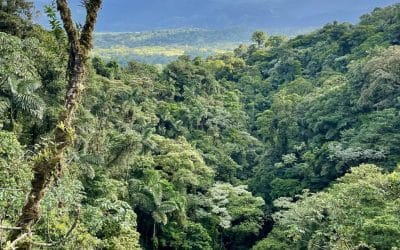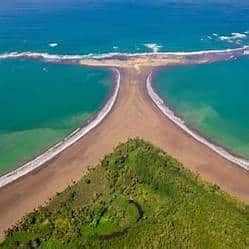
Costa Rica has a way of sneaking up on people. You arrive for a “quick look”, you have one too many late-afternoon coffees with a view, you realise you’ve stopped checking the news every five minutes… and suddenly you’re pricing up sofas and learning the difference between mañana and ahorita.
Plenty of people relocate here every year for the obvious reasons—coastlines on two sides, rainforests that still feel like a documentary, and towns where strangers chat like you’re already a neighbour. But the real answer to “What’s it like?” is less postcard and more practical: it’s a life of microclimates, paperwork, warm human moments, and a daily choice to slow down.



Is Costa Rica a good place to live day-to-day?
Yes—if you like nature close by, a slower rhythm, and a lifestyle that rewards patience and flexibility.
Daily life tends to feel “lighter” than many big-city routines, but it isn’t fantasyland. Things run differently, and once you accept that, it becomes part of the charm.
What newcomers often love:
- Morning light and outdoor living (even in towns, not just beaches)
- Short drives that turn into “pull over and stare at that view” moments
- A strong social culture—family, food, and community matter
- Easy access to weekend escapes: volcanoes, hot springs, waterfalls, beaches
What surprises people:
- You’ll do more errands in person than you expect
- Service quality ranges from world-class to “come back Tuesday”
- Rainy season isn’t a vibe, it’s a calendar you plan around (more on that below)
How stable is Costa Rica compared with the region?
Costa Rica is widely viewed as one of the region’s most stable democracies, with strong institutions and long-running civic traditions.
That stability shows up in ordinary ways:
- predictable day-to-day life (most of the time)
- a functioning legal and financial system
- a country that’s used to welcoming international residents and visitors
It also shows up in optimism. Costa Rica has been climbing in global wellbeing measures—ranking 6th in the World Happiness Report 2025. (World Happiness Report)
Where do most newcomers choose to live?
Most people pick a region based on climate, convenience, and how “connected” they want to feel.
A simple way to choose:
- Central Valley (San José, Escazú, Santa Ana, Heredia, Alajuela): best for hospitals, schools, services, shopping, and cooler nights.
- North Pacific (Guanacaste): beach lifestyle, strong expat pockets, dry-season sunshine—often pricier in popular coastal zones.
- Central Pacific: easier access from San José, surf towns, national parks, lots of weekend-home energy.
- Southern Zone (Osa, Dominical, Uvita): wilder, greener, more nature-forward; fewer big-city conveniences.
- Caribbean side: humid, lush, culturally distinct, and famously its own weather system.
Voice-search-friendly rule of thumb: If you need convenience, start in the Central Valley. If you want daily beach life, rent for a few months before you commit.
What is the “Pura Vida” lifestyle really like?
It’s less “no worries forever” and more “don’t let stress run the show.”
In real life, pura vida looks like:
- People saying hello properly (and meaning it)
- Long chats at the bakery counter
- Time spent outdoors as a default, not a treat
- A cultural tendency to prioritise relationships over rushing
And yes—there are still deadlines, bills, and traffic. The difference is that the tone of life is often gentler, especially once you build your local routines.
How much does it cost to live in Costa Rica?
It depends hugely on where you live and how you live, but many people find they can design a comfortable life with more control over monthly spending than back home.
To anchor expectations, cost-of-living trackers (which use user-submitted data) estimate a single person’s monthly costs (excluding rent) in San José around the high hundreds of USD, and a family’s monthly costs (excluding rent) in the low thousands. (Numbeo)
Country-wide estimates vary, and your numbers will shift based on rent, location, imported goods, and lifestyle. (Expatistan, cost of living comparisons)
Common budget “styles” newcomers describe:
- Simple local living: local produce, local sodas, public clinics where appropriate, fewer imports
- Hybrid expat living: some imports, private healthcare visits, a car, regular dining out
- Fully international lifestyle: premium rent, private schools, frequent travel, imported favourites
Practical ways people keep costs sensible:
- Rent first, buy later (and avoid the “holiday decision” trap)
- Shop local for staples; save imports for treats
- Choose your “splurge lane” (dining out, trips, or housing—trying to splurge on all three gets expensive fast)
Is healthcare in Costa Rica good?
Yes—Costa Rica is known for strong health outcomes and a well-established public system alongside private options.
Costa Rica’s public healthcare is anchored by the Caja Costarricense de Seguro Social (CCSS), and long-term investment in coverage and primary care is often cited as a major national strength. (World Bank)
Life expectancy is high by regional standards (around 81 years in recent national and international datasets). (INEC)
What residents typically do in practice:
- Use Caja/CCSS for many core services (especially once legally enrolled)
- Use private clinics/hospitals for speed, convenience, specialist choice, or English-first service
- Keep a personal “health file” with key records and translations if needed
Nicoya also gets a lot of attention as a “Blue Zone” associated with longevity culture—often linked to movement, community, and food patterns. (Blue Zones)
What’s the climate like, and does it feel the same everywhere?
No—Costa Rica is a microclimate machine, and your day-to-day weather depends as much on altitude and coast as it does on the month.
A helpful baseline: many areas follow a dry season roughly December–April and a rainy/green season roughly May–November, with transitions that vary by region. (Visit Costa Rica)
What that means in real life:
- Central Valley: generally spring-like days, cooler nights, less brutal humidity than the coasts
- Pacific coast: clearer dry-season skies; greener afternoons and dramatic sunsets in rainy season
- Caribbean: different rain patterns—sometimes raining when the Pacific is bright and vice versa
If you want the simplest “where should I live for weather?” answer:
- Prefer cooler nights: look at the Central Valley or mountain towns.
- Prefer endless beach heat: look at coastal areas, then choose Pacific vs Caribbean based on your tolerance for humidity and rain patterns.
Is Costa Rica safe for expats and retirees?
It can be, but like anywhere, you need good habits and local awareness.
Official travel advisories consistently highlight issues like petty theft and robbery risks in certain areas, especially where tourists gather. (Harvey Law Group)
Common-sense routines locals and long-term residents use:
- Don’t leave bags visible in parked cars—ever
- Use registered taxis/rideshares and trusted transport at night
- Keep phones and wallets out of easy reach in crowded zones
- Learn which neighbourhoods are fine by day but best avoided late at night
- Save emergency numbers and your location details when travelling
The goal isn’t to be anxious—it’s to be smart enough that your daily life stays easy.
How does legal residency work in plain English?
There are several established pathways, and the right one depends on whether you’re retiring, investing, or working remotely.
A quick, non-legal overview of common routes:
- Pensionado (retirement): for people with a qualifying lifetime pension.
- Rentista: for people who can show stable income over time (often used by early retirees and independently funded residents).
- Inversionista (investor): for those investing in an approved way; the required investment threshold has been reduced in recent years under policy efforts to attract investment. (Citizen Remote)
- Digital Nomad: a programme designed for remote workers with required monthly income and health insurance, with stays up to a year and an extension option under conditions. (Visit Costa Rica)
If you’re thinking, “Just tell me what to do first,” here’s the practical order:
- Rent short-term in your target region
- Speak with a qualified immigration professional (or confirm directly via official channels)
- Build a document checklist early (apostilles, translations, official letters—these take time)
- Don’t assume timelines; bureaucracy has its own seasons
What should you do in your first 30 days after arriving?
Set up a life you can actually maintain, not a holiday you can’t.
A solid first-month checklist:
- Pick one “base” neighbourhood and learn it properly (shops, pharmacy, clinic, gym, routes)
- Test your internet reliability if you work online
- Open local accounts/services if your status allows (mobile plans, utilities in your name, etc.)
- Find your “go-to” people: mechanic, plumber, doctor, translator/notary, property manager
- Do two or three weekend trips to confirm what you really want long-term
FAQ
Is it better to rent or buy when moving to Costa Rica?
Rent first, because neighbourhood feel, weather, and noise levels can change dramatically street by street.
Can I live in Costa Rica without speaking Spanish?
Yes, especially in expat-heavy areas, but Spanish makes everything smoother and cheaper over time.
Do I need a car?
Not always—Central Valley living can work with rideshares and delivery, while many coastal and rural areas are far easier with a vehicle.
How expensive is healthcare?
Private care is often far more affordable than in the US, while the public system offers broad coverage once enrolled; your best mix depends on needs and location. (World Bank)
What’s the biggest mistake newcomers make?
Buying property too quickly in a place they only loved on holiday.When is the best time to relocate?
Many people prefer arriving in dry season to settle in, but green season can mean better rental deals and a softer landing—especially in popular towns. (Visit Costa Rica)