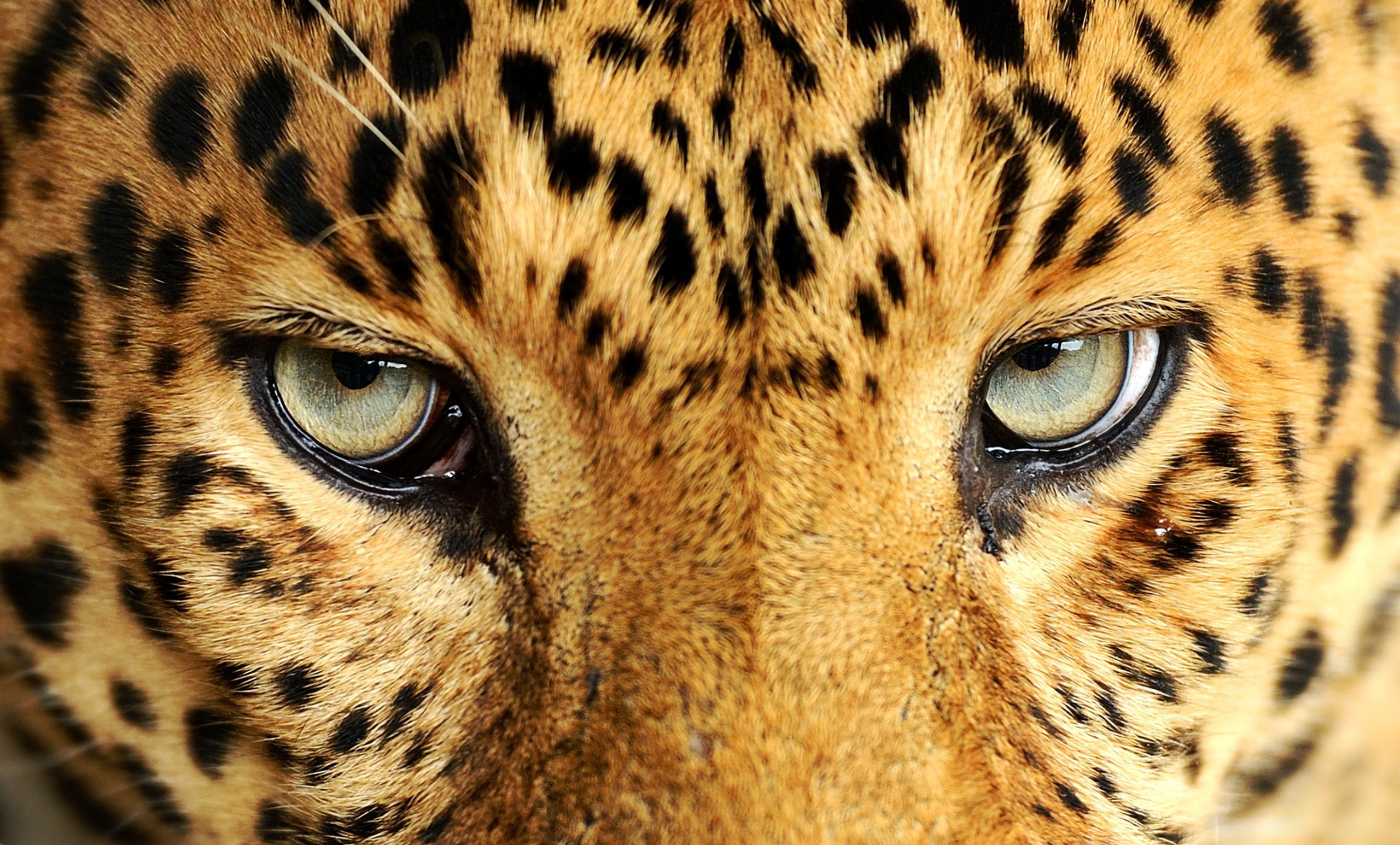
Jaguars are the largest feline species in Costa Rica and the third-largest on the planet, next to lions and tigers. Average size varies by geographic location, with larger jaguars tending to live in habitats further south. Male jaguars are generally about 20 percent larger than females, averaging 125 to 200 pounds. Some recorded weights have exceeded 300 pounds!
Jaguars are usually spotted, but melanism (black pigment) occurs commonly in varying degrees, from completely black to near black with some pattern showing through.
The type of jaguars native to Costa Rica may exist in locations ranging from the extreme southwest United States down to central South America. However, in Costa Rica this cat is found almost only in the forests of protected reserves. Jaguars are a keystone species, meaning they are the top of the food chain. This makes them crucial to stabilizing the ecosystem by regulating prey populations.
It is said that jaguars won’t hunt humans, yet human deaths have been recorded. Due to farmers’ concerns about jaguars hunting cattle, jaguars have been extirpated from areas of human habitation.
As predators of many semi-aquatic creatures, jaguars will often swim and hunt in the water. Their diet encompasses at least 87 species, including adult caimans, deer, capybaras, tapirs, peccaries, dogs and even anacondas on the large side. These kitties will also eat small prey such as birds, frogs, mice, fish, sloths, monkeys and turtles.
Jaguars have an extremely powerful bite that can pierce the shells of armored prey, and puncture the heads of their prey to cause brain damage. Their stalk-and-ambush method of hunting involves staying under cover rather than chasing down prey. They eat all their food before hunting for more.
Jaguars are considered nocturnal but are actually crepuscular (peak activity is around dawn and dusk). They are active and vocal, but solitary, coming together only to mate. The male does not participate in the care of offspring.
Their tendency to stay under cover makes jaguars hard to view and observe. However, it is possible to do so in Costa Rica, where the majority of wild jaguars live in various national parks and preserves. Places to research for jaguar sightings include Tortuguero National Park, Santa Rosa National Park, Corcovado National Park, Rio Macho Forest Preserve and the lower Cordillera Talamanca, La Selva and Monteverde Cloud Forest Reserve. Jaguars may also be found in the vicinity of San José, San Vito and Cerro de la Muerte.
Read more about these magnificent creatures by clicking on our partner’s logo!
Like online puzzles? Open this up in full screen (lower right icon) and enjoy?
JTNDaWZyYW1lJTIwc3JjJTNEJTIyaHR0cHMlM0ElMkYlMkZ3d3cuamlnc2F3cGxhbmV0LmNvbSUyRiUzRnJjJTNEcGxheSUyNmFtcCUzQnBpZCUzRDA4ZjIwNzBiYjA5YyUyNmFtcCUzQnZpZXclM0RpZnJhbWUlMjIlMjBzdHlsZSUzRCUyMndpZHRoJTNBMTAwJTI1JTNCaGVpZ2h0JTNBNjAwcHglMjIlMjBmcmFtZWJvcmRlciUzRDAlMjBhbGxvd2Z1bGxzY3JlZW4lM0UlM0MlMkZpZnJhbWUlM0U=Jaguares
Los jaguares son la especie de felino más grande de Costa Rica y la tercera más grande del planeta, junto con los leones y los tigres. El tamaño promedio varía según la ubicación geográfica, y los jaguares más grandes tienden a vivir en hábitats más al sur. Los jaguares machos son generalmente un 20 por ciento más grandes que las hembras, con un promedio de 57 a 91 kilos. Algunos pesos registrados han superado los 136 kilos.
Los jaguares suelen ser manchados, pero el melanismo (pigmento negro) se produce comúnmente en diversos grados, desde completamente negro a casi negro con algún patrón que se muestra a través de sus cuerpos.
El tipo de jaguares nativos de Costa Rica puede existir en lugares que van desde el extremo suroeste de los Estados Unidos hasta el centro de Sudamérica. Sin embargo, en Costa Rica este gato se encuentra casi sólo en los bosques de las reservas protegidas. Los jaguares son una especie clave, lo que significa que están en la cima de la cadena alimenticia. Esto los hace cruciales para estabilizar el ecosistema mediante la regulación de las poblaciones de presas.
Se dice que los jaguares no cazan a los humanos, sin embargo, se han registrado algunas muertes humanas. Debido a la preocupación de los finqueros por los jaguares que cazan el ganado, los jaguares han sido extirpados de las áreas de habitación humana.
Como depredadores de muchas criaturas semiacuáticas, los jaguares a menudo nadan y cazan en el agua. Su dieta abarca al menos 87 especies, incluyendo caimanes adultos, ciervos, carpinchos, dantas, pecaríes, perros e incluso anacondas en el lado grande. Estos gatitos también comerán presas pequeñas como aves, ranas, ratones, peces, perezosos, monos y tortugas.
Los jaguares tienen una mordida extremadamente poderosa que puede perforar los caparazones de las presas acorazadas, y perforar las cabezas de sus presas para causar daño cerebral. Su método de caza de acecho y emboscada implica permanecer a cubierto en lugar de perseguir a la presa y se comen toda su comida antes de cazar por más.
Los jaguares son considerados nocturnos, pero en realidad son crepusculares (su actividad máxima es alrededor del amanecer y el atardecer). Son activos y vocales, pero solitarios, y se reúnen sólo para aparearse. El macho no participa en el cuidado de las crías.
Su tendencia permanecer a encubierto hace que los jaguares sean difíciles de ver y observar. Sin embargo, es posible hacerlo en Costa Rica, donde la mayoría de los jaguares salvajes viven en varios parques nacionales y reservas. Los lugares de investigación para los avistamientos de jaguares incluyen el Parque Nacional Tortuguero, el Parque Nacional Santa Rosa, el Parque Nacional Corcovado, la Reserva Forestal Río Macho y la Reserva de la Cordillera Inferior de Talamanca, La Selva y el Bosque Nuboso de Monteverde. También se pueden encontrar jaguares en las cercanías de San José, San Vito y el Cerro de la Muerte.