

The Hidden Cost for Working People
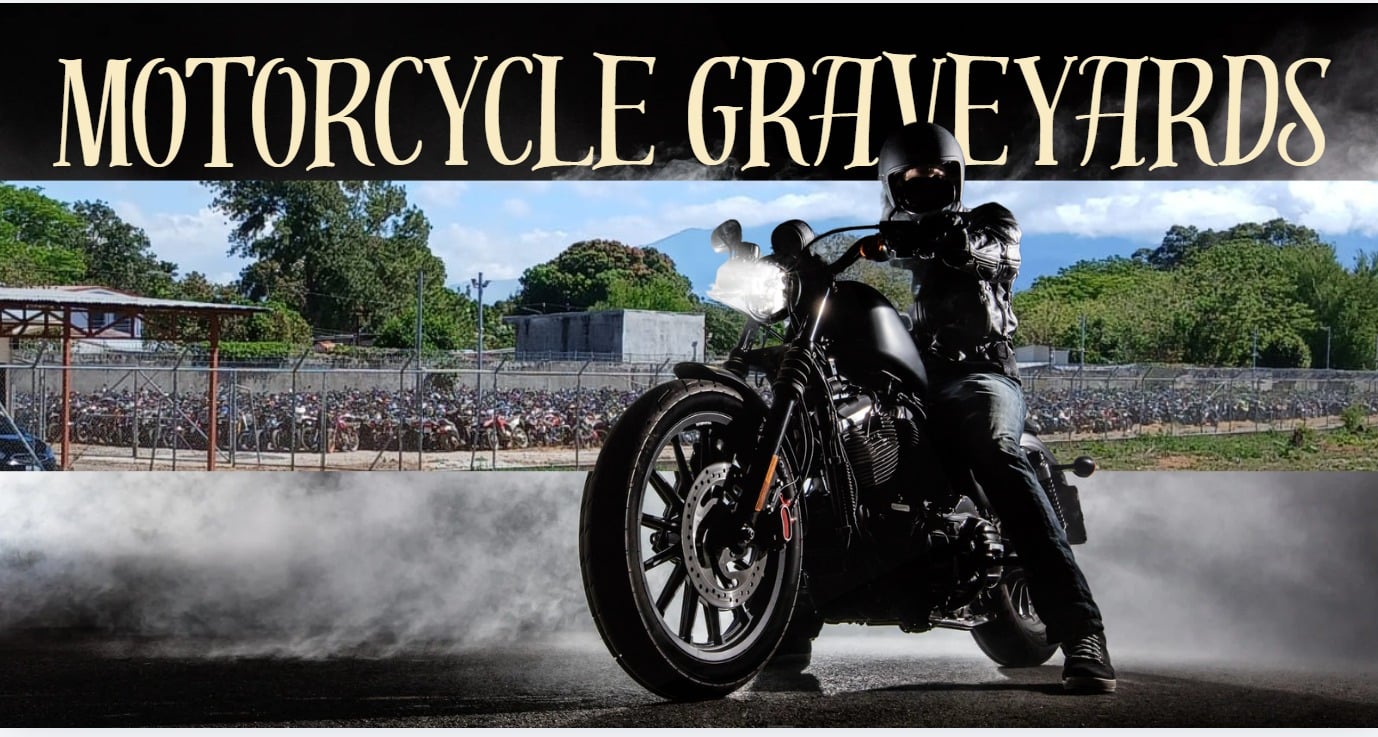
In Costa Rica, impounded motorcycles are piling up in government storage lots at a scale that is hard to ignore. The numbers are large, but the human story is even larger. For many riders, a motorcycle is not a hobby, a weekend toy or a status symbol. It is the way they get to work, carry tools, make deliveries, attend appointments and keep family life moving. When that motorcycle is seized, the punishment does not stop with a fine. It can quickly turn into lost wages, higher transport costs and a daily struggle to get anywhere at all.
Recent reporting shows that more than 36,000 motorcycles were sitting in COSEVI storage yards, out of nearly 40,000 total vehicles in those facilities at one point. Other official and media reports have placed the broader national backlog far higher, ranging from roughly 50,000 to more than 70,000 vehicles in custody across the system. Motorcycles make up the overwhelming majority of those impounds, and in the first quarter of 2025, 92% of seized vehicles were motorcycles.
How many motorcycles are impounded in Costa Rica?
The best current estimate is that tens of thousands of motorcycles are impounded, with at least 36,357 reported in COSEVI deposits alone. That figure already shows the scale of the problem, and it likely understates the national total because other state storage systems and processing backlogs are involved.
This is not a minor administrative issue. It is a visible national backlog affecting enforcement, public spending and ordinary commuters.
Why are so many motorcycles seized?
Motorcycles are seized so often because they are frequently involved in common traffic and legal violations. The most common reasons include:
- riding without a valid licence
- unpaid marchamo
- missing, altered or false number plates
- reckless driving
- drink-driving
- failure to meet legal or technical requirements
Authorities and local reporting have also made clear that motorcycles dominate the impound system because they are the vehicle most often detained in traffic operations.
Why does this affect working people so severely?
Because many Costa Ricans rely on motorcycles as their main way to get to work. A seized motorcycle can leave someone stranded overnight. A rider who used to spend a manageable amount on fuel may suddenly need to pay for buses, taxis, lifts or multiple transport connections just to reach a job site.
That creates a chain reaction:
- missing shifts or arriving late
- spending more money on transport than the household can afford
- losing delivery or service income for self-employed workers
- struggling to transport work equipment or goods
- increasing stress for families already living close to the financial edge
In many cases, people cannot afford to recover the motorcycle from impound, but they also cannot afford the extra cost of travelling without it. That is where the system becomes especially punishing. The bike is gone, the fees keep growing, and work still starts in the morning.
How do owners recover an impounded motorcycle?
Owners can recover an impounded motorcycle, but only after completing a formal process and paying all required charges. According to MOPT, the person must first arrange an appointment through the COSEVI system and fully cancel any outstanding fines related to the detention. There is no instalment plan for those fines.
The process usually includes:
- paying all traffic fines
- paying the towing charge
- paying the daily storage or custody fee
- presenting identification
- showing proof of paid marchamo
- presenting technical inspection documentation where required
- attending in person or sending a legally authorised representative
How expensive is it to get a motorcycle out of impound?
It becomes expensive very quickly because the charges stack up day after day. MOPT published fees showing towing charges for the first kilometres plus an additional rate per extra kilometre, along with a daily custody fee charged for every day the vehicle remains in storage. Those daily costs alone can make recovery unrealistic for lower-value motorcycles.
That is one of the biggest reasons so many motorcycles are never reclaimed:
- The total bill can exceed the value of the bike
- Owners may not have all the paperwork ready
- Delays increase the storage charges
- Some vehicles are linked to legal complications or unpaid obligations
What happens if nobody claims the motorcycle?
If a motorcycle is not claimed, Costa Rican law allows the state to dispose of it after a set period. COSEVI states that after three months without a valid claim, detained vehicles may be legally disposed of under Article 155 of the traffic law. That can lead to donation, scrap handling or other official disposal channels.
The problem is that disposal itself has also been slow. Reporting has shown that COSEVI has struggled to process the enormous backlog, leaving many vehicles sitting for years in overcrowded yards while bureaucracy catches up.
Why is the backlog still so large?
The backlog remains large because motorcycles are entering the system faster than they are being released, processed or disposed of. Costa Rica has also been spending millions to maintain unclaimed vehicles in state storage, which shows how costly the congestion has become for the public sector as well.
Final thoughts
Costa Rica’s impounded motorcycle crisis is not only about traffic enforcement. It is also about access to work and economic survival. When a motorcycle is seized, many people do not just lose a vehicle. They lose their most practical way to earn a living. And when the cost of recovery becomes too high, the result is harshly simple: the bike stays behind the fence, while the owner is left scrambling for another way to get to work.
FAQs
How many motorcycles are impounded in Costa Rica?
At least 36,357 motorcycles were reported in COSEVI storage lots alone, and the broader national total is likely much higher.
Are motorcycles the majority of seized vehicles?
Yes. In early 2025, 92% of seized vehicles were motorcycles.
Why do authorities seize motorcycles?
The most common reasons include licence problems, unpaid marchamo (Insurance), plate irregularities, reckless driving and drink-driving.
Can the owner get the motorcycle back?
Yes, but only after paying all applicable fines, towing charges and storage fees, and presenting the required documents.
Why are so many motorcycles never reclaimed?
Because the combined cost of fines and storage can easily exceed the value of the bike, especially for people on tight budgets.
What happens to unclaimed motorcycles?
They may be disposed of legally after three months, including donation or scrap processing, though many remain stuck in backlog for far longer.